
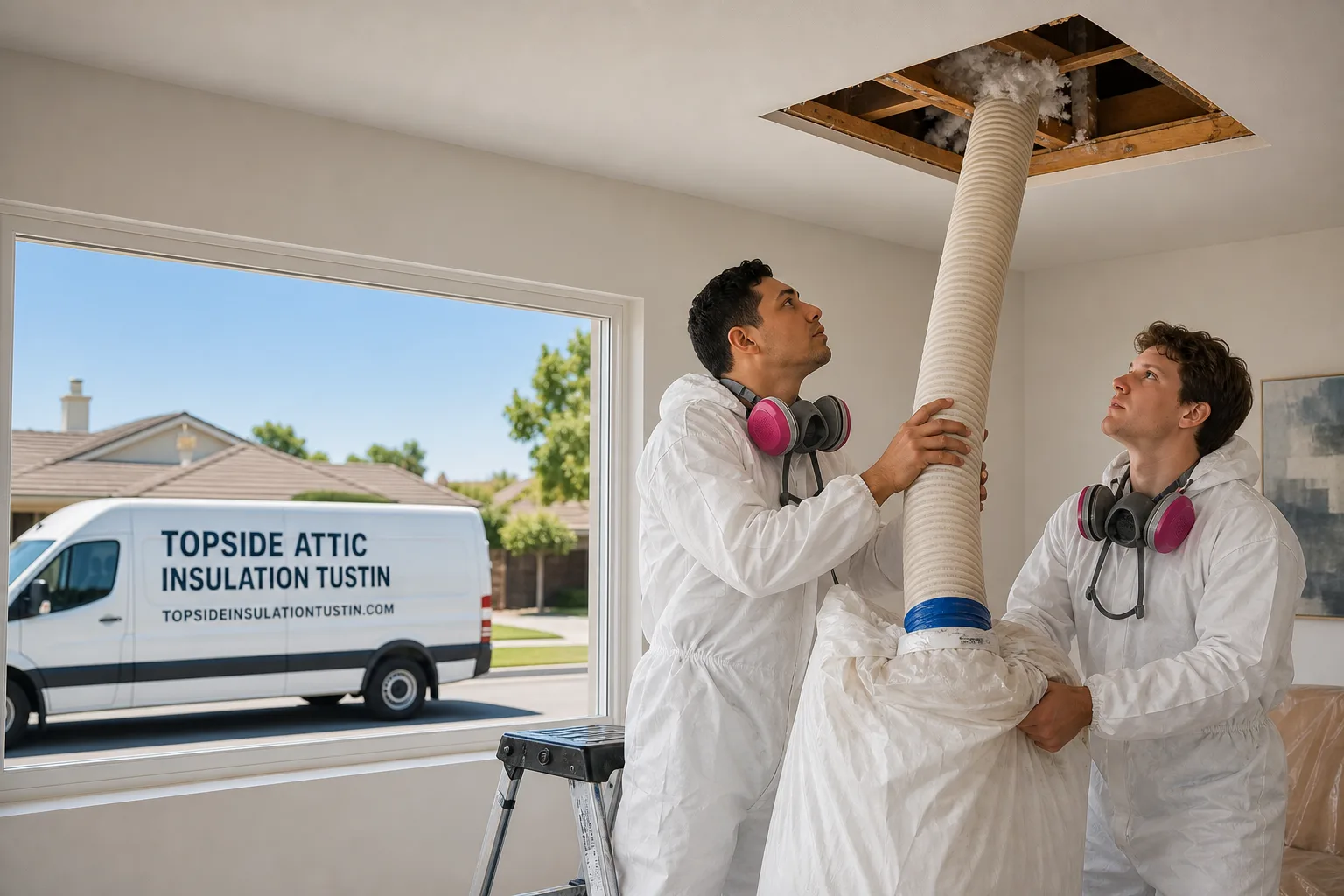
Fast, Reliable Attic Insulation Across Villa Park
Most attic insulation jobs in Villa Park run $2,800-$7,500 depending on whether we’re topping up existing material or replacing degraded fiberglass batt in a multi-cavity custom home. Our crews are on Villa Park Road, Santiago Canyon Road, and the neighborhood streets off East Chapman Avenue regularly, and we typically schedule assessments within 48 hours. Call (657) 286-7673 for a written price before any work starts.
We know these attics. Villa Park’s roughly 2,200 parcels are almost entirely custom homes built between the late 1950s and mid-1980s, so most attics here are multi-cavity, cathedral-ceiling, bonus-room-over-garage layouts with original fiberglass batt that predates Title 24 - retrofits are carpentry-heavy in a way tract-home insulation jobs in Anaheim or Orange never are. When you hire our Attic Insulation team, you get technicians who’ve crawled through these specific rooflines before.
Why Topside Attic Insulation Tustin Is Villa Park’s Preferred Attic Insulation Company
We’ve sealed and insulated homes off Villa Park Road, along the Santiago Canyon foothills, and in the tree-canopied streets near the Villa Park Orange Grove. Villa Park residents tend to research thoroughly before calling - they read three-star reviews as carefully as five-star ones, and they want documentation, not promises. We deliver written scopes, blower-door numbers where applicable, and photo records on every job.
Our response time to Villa Park is typically same-day or next-day for assessments. Dispatch and scheduling are coordinated from our Los Angeles office, but crews serve Villa Park locally and carry the specific materials these older custom homes need: high-density batts for shallow rafter bays, baffles for tile roof ventilation channels, and blown-in systems that reach disconnected cavities without tearing out drywall.
Wes Okafor, who leads our operation, set the standard in 2016 that every job begins with a written price and ends with a documented record. No exceptions. That matters in a market like Villa Park, where homeowners expect transparency and have the means to demand it.
Our Attic Insulation Services in Villa Park
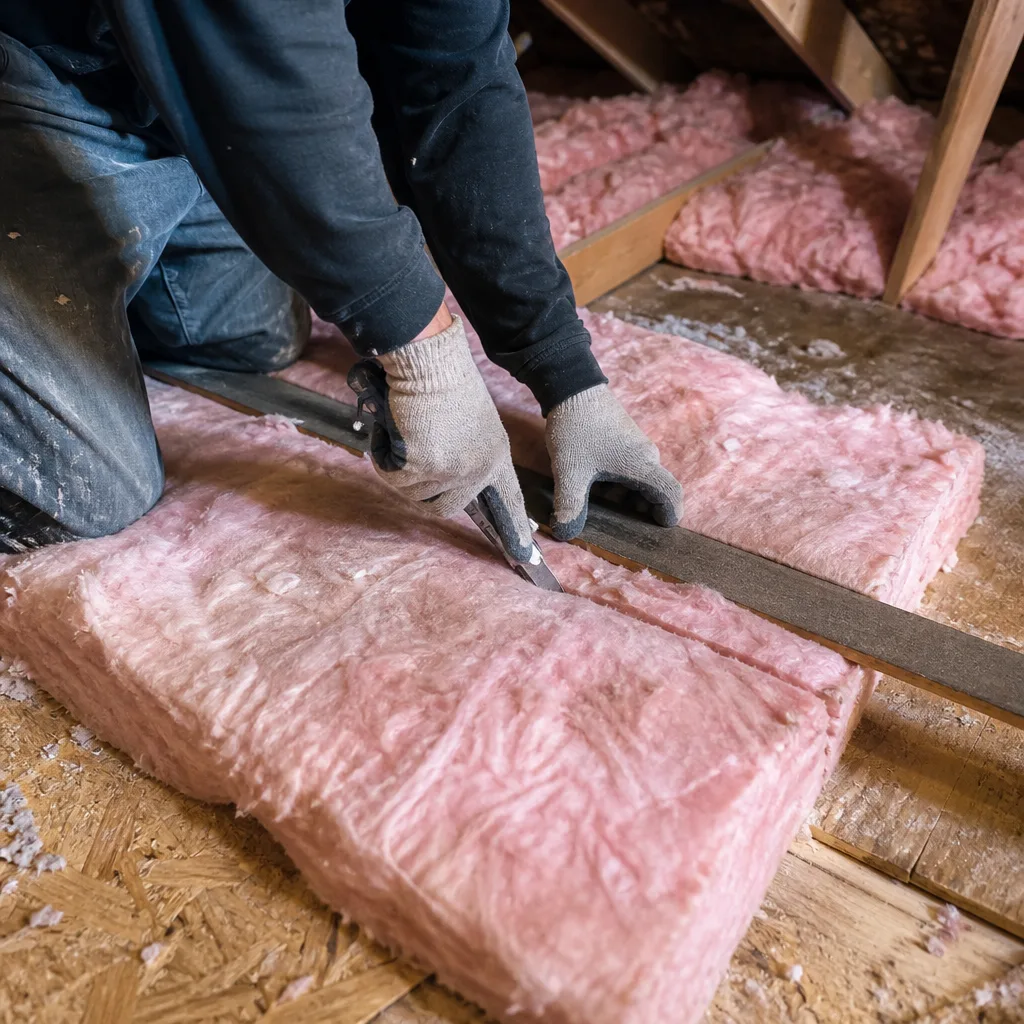
Blown-In Attic Insulation
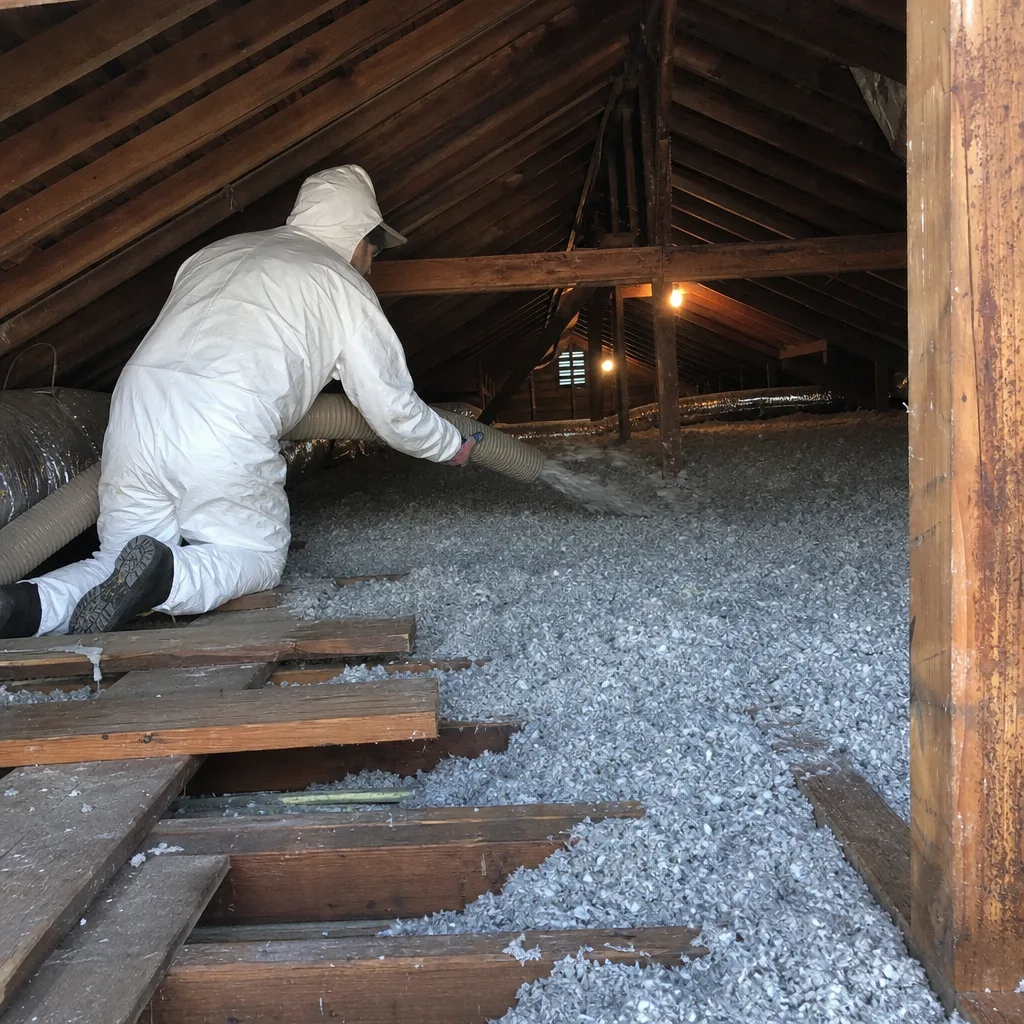
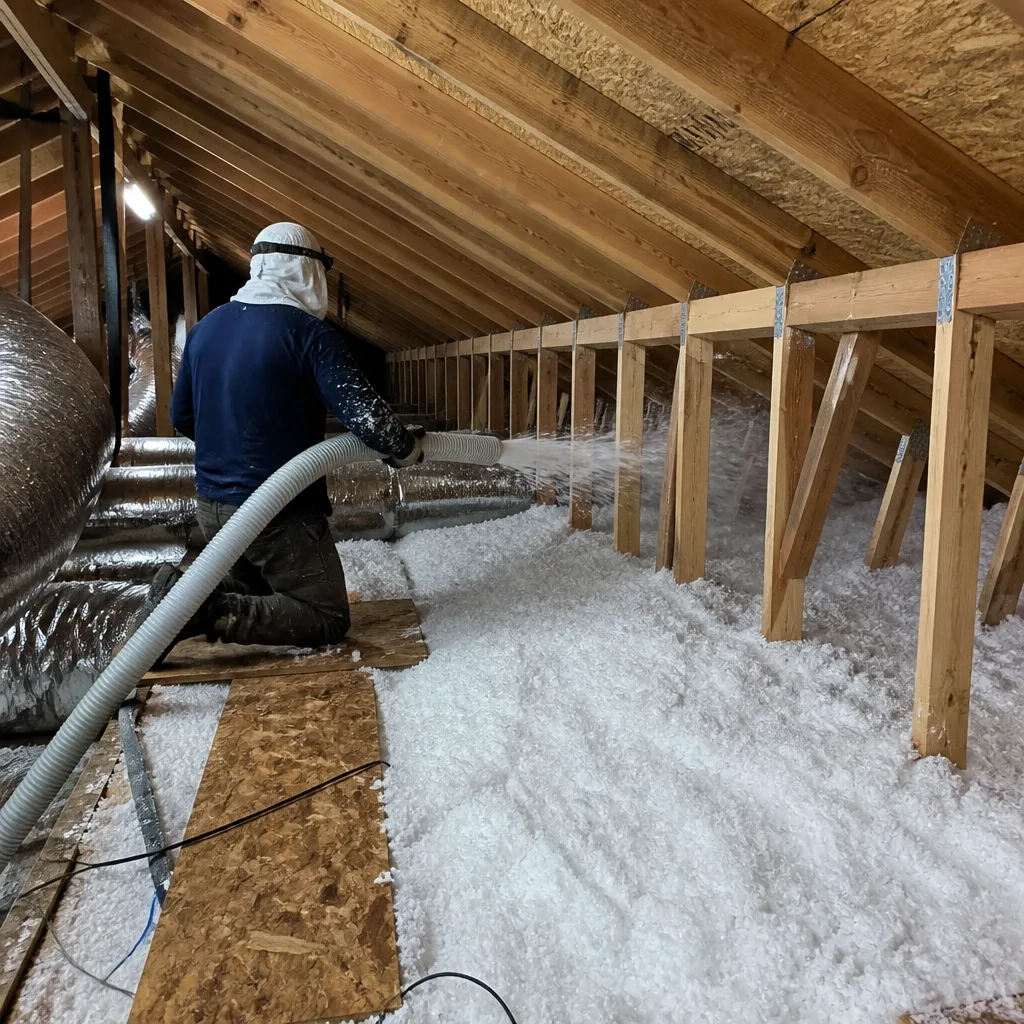
Blown-in fiberglass or cellulose is our most common retrofit for Villa Park’s main attics, especially where original batt has settled or where multiple disconnected cavities need uniform coverage. We use Owens Corning and Knauf systems, blown to spec’d depth with marked rulers visible for inspection. In Villa Park’s complex rooflines, we often need to access through multiple hatch locations or drop soffit chases to reach isolated pockets - standard tract-home blow-in crews rarely encounter this.
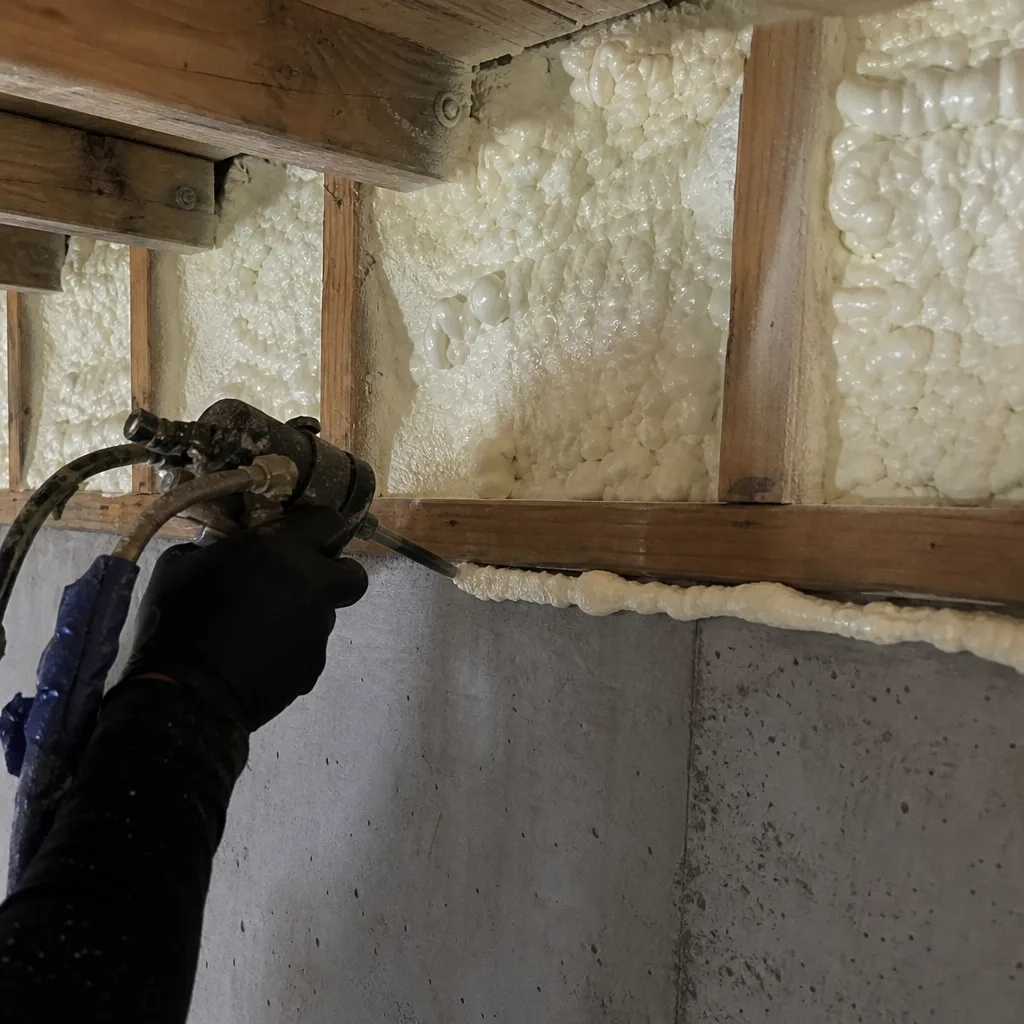
Attic Batt Insulation
Custom homes off East Chapman and along Villa Park Road with finished storage attics or knee-wall spaces often need precision-cut batts rather than loose fill. We source Johns Manville and Rockwool batts in widths that match actual rafter spacing - 16-inch, 19.2-inch, or 24-inch centers - rather than compressing standard widths into place, which kills R-value. Batt work is slower. It’s worth doing right in homes of this caliber.
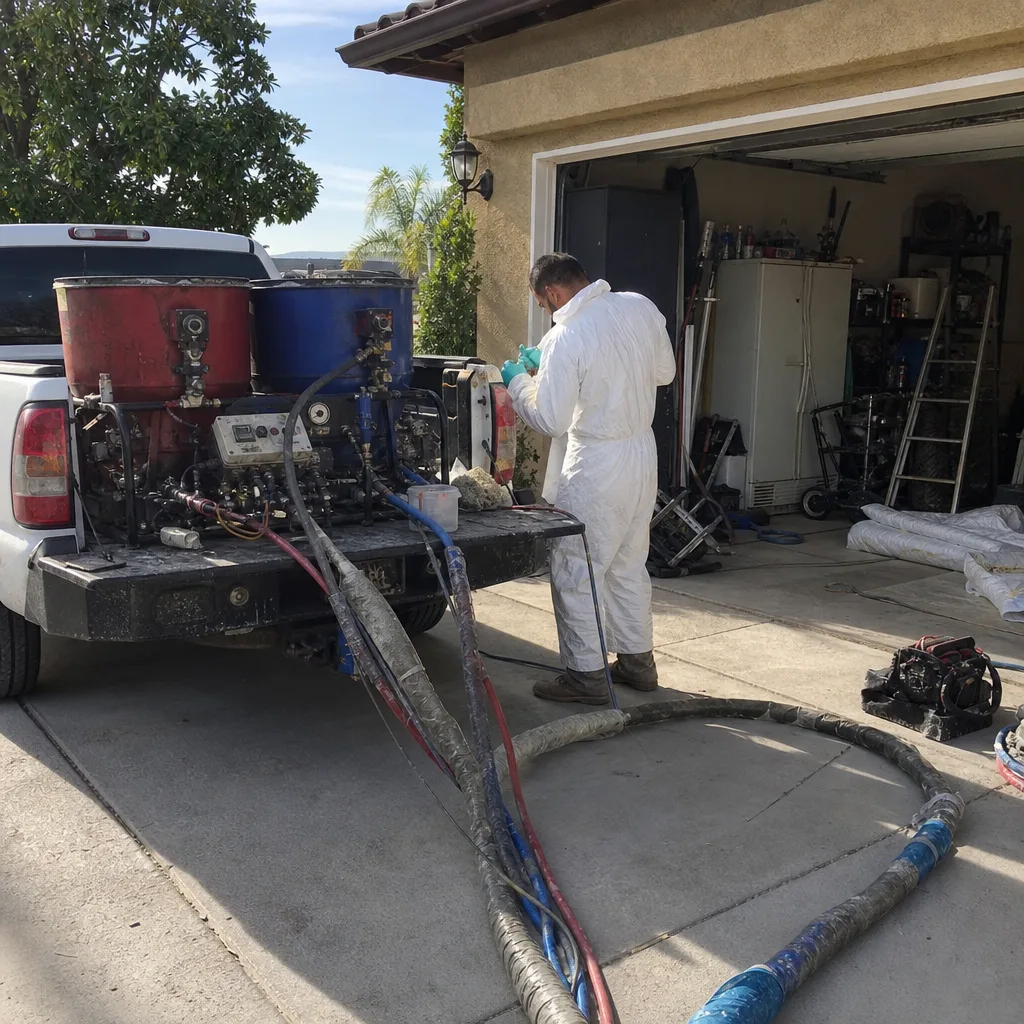
Attic Insulation Top-Up
Some Villa Park homes have adequate air sealing and intact original insulation that’s simply settled below modern depth requirements. A top-up adds blown fiberglass over existing material after we verify the thermal boundary is continuous. We price these lower - typically $2,800-$4,200 - but we won’t sell a top-up if inspection shows the original batt is degraded, misaligned, or covering unsealed penetrations. Under Haven Standard: sealed first, then insulated.
Attic Insulation Replacement
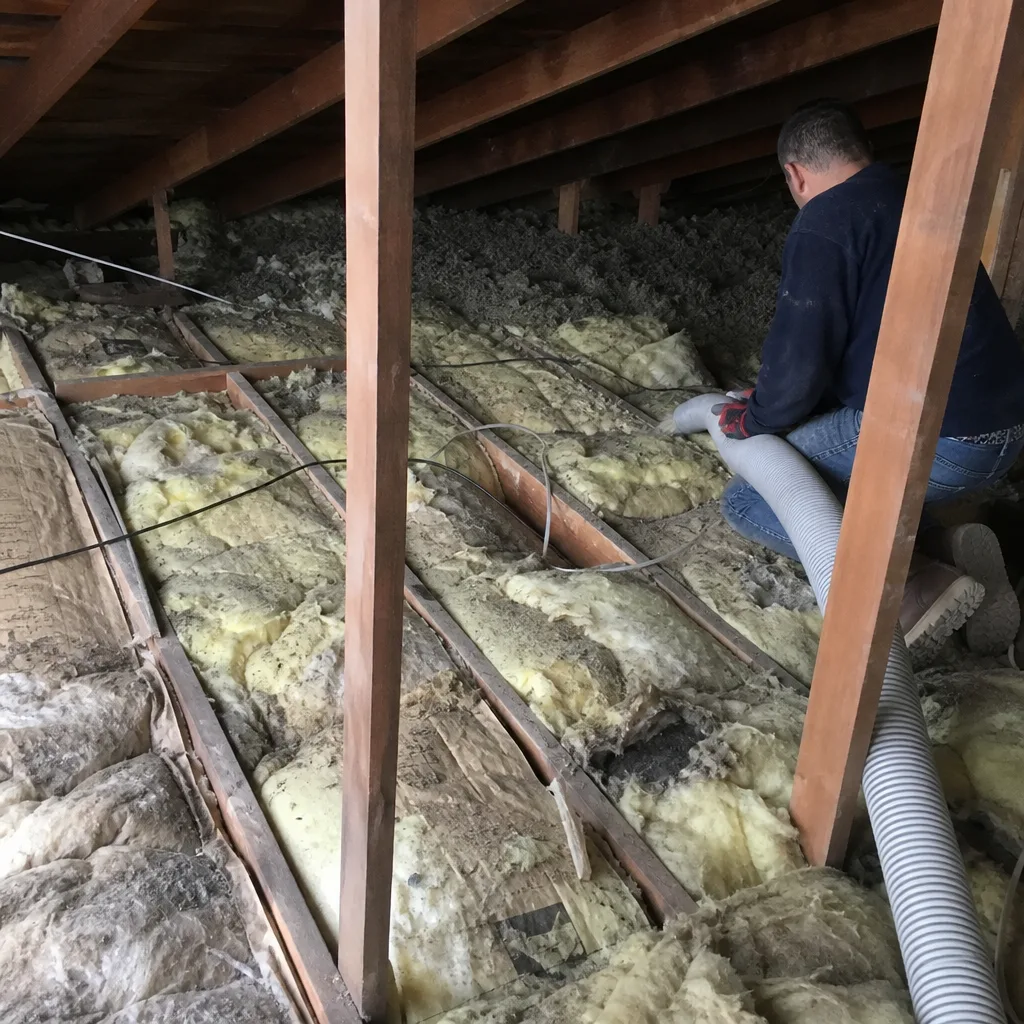
Full replacement is common in Villa Park. The original fiberglass batt in these 1960s-1980s custom homes has sagged, pulled away from rafter bays, or been compromised by rodent activity in the inaccessible cavities. We remove, dispose, air-seal all top plates and penetrations, install baffles at eaves, then reinsulate. Most full replacements in Villa Park’s larger homes run $5,500-$7,500. Every replacement includes a Documented Photo Record and, where applicable, before-and-after blower-door readings.
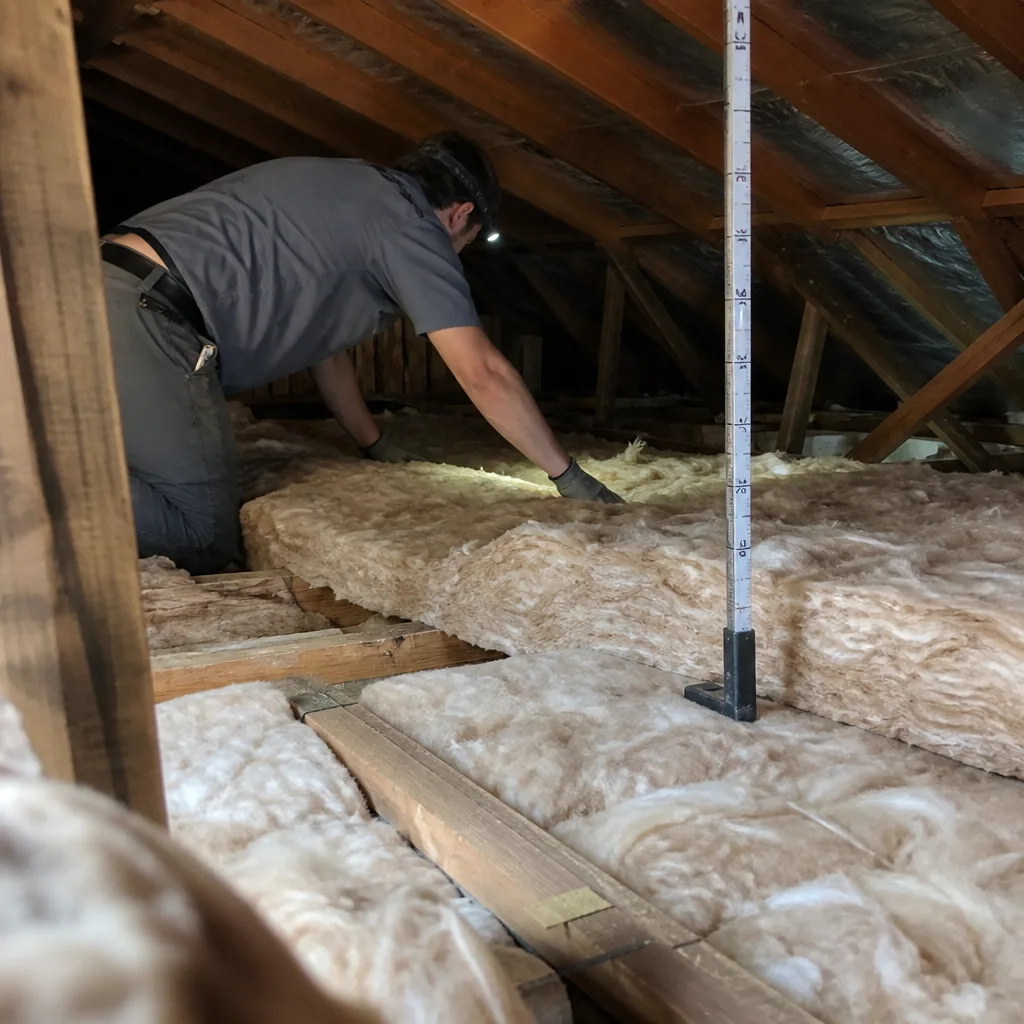
Attic Baffles & Ventilation Prep
Villa Park’s tile and shake roofs need proper ventilation channels. Without baffles, blown insulation blocks soffit intake and attic temperatures spike - we’ve measured 150°F+ during Santa Ana events in improperly vented Villa Park attics. We install CertainTeed or Owens Corning rafter baffles before any blow-in work, preserving the airflow path from eave to ridge. This step is non-negotiable on our jobs.
What happens when you call
- 1
A real person answersNo phone trees - you reach a local pro.
- 2
You get an upfront price rangeHonest numbers before anyone is dispatched.
- 3
A background-checked tech heads outLicensed & insured, dispatched right away.
- 4
You approve before work beginsNothing starts until you say go.
 Before
 After
AfterTrusted Brands We Service in Villa Park
We source materials from Johns Manville, Knauf, Rockwool, Owens Corning, and CertainTeed - no proprietary lock-in, so we match the right product to your home’s specific construction rather than pushing a house brand. For Villa Park’s custom homes, that flexibility matters: a 1962 ranch with 2×6 rafters needs different material than a 1978 two-story with cathedral ceilings and a finished bonus room. We stock common batt widths and blower configurations locally, so most Villa Park jobs start within a week of written approval.
Common Attic Insulation Problems We See in Villa Park Homes
- Original fiberglass batt has sagged and pulled away from rafter bays. In homes built 1960-1985 off Villa Park Road and Santiago Canyon, we regularly find batts that have detached entirely, leaving convection gaps under tile and shake roofs. The insulation is present but not performing.
- Finished bonus rooms over garages bake while the main house stays tolerable. These zones were often built with little or no thermal boundary - no insulation between the living area and the roof deck above. Residents describe these rooms as “unusable in July,” which frequently triggers the whole-home assessment.
- Multi-cavity roofs with cathedral ceilings create disconnected attic pockets. A single-zone blow-in misses these. We map each cavity, verify access, and often need to install baffles and blow separate zones to achieve uniform coverage.
- Santa Ana wind events push attic temperatures past 150°F. Villa Park sits 10-15 degrees inland from coastal OC, and the thermal load here is far more punishing. Radiant barrier installation alongside blown-in insulation is frequently recommended in ways it wouldn’t be in Dana Point or Huntington Beach.
Pricing for Attic Insulation in Villa Park, CA
Here’s what most Attic Insulation in Villa Park jobs actually cost:
| Service | Typical Range |
|---|---|
| Attic Insulation Top-Up | $2,800 - $4,200 |
| Blown-In Attic Insulation (standard attic) | $3,500 - $5,500 |
| Attic Batt Insulation (knee walls / finished spaces) | $4,000 - $6,000 |
| Attic Insulation Replacement (remove + reinstall) | $5,500 - $7,500 |
| Attic Baffles & Ventilation Prep (add-on) | $800 - $1,400 |
| Radiant Barrier Installation | $1,500 - $3,000 |
What moves the number: attic square footage, number of disconnected cavities requiring separate access, whether removal and disposal is needed, and whether air sealing or radiant barrier is included. Every estimate is a flat, written price - no hourly surprises. We also offer a Free Second Opinion on any written estimate from another contractor. Call (657) 286-7673 to schedule.
We Also Serve Cities Near Villa Park
Our crews work throughout central Orange County, including Orange, Santa Ana, Tustin, and Irvine. Each city gets different housing stock and different thermal conditions; our assessments account for that.
Serving Villa Park, CA - Our Local Coverage Area
We’re based in the Villa Park area and know this community well. Use the map below to see our service coverage - if you’re nearby, we can almost certainly help.
FAQs - Attic Insulation in Villa Park
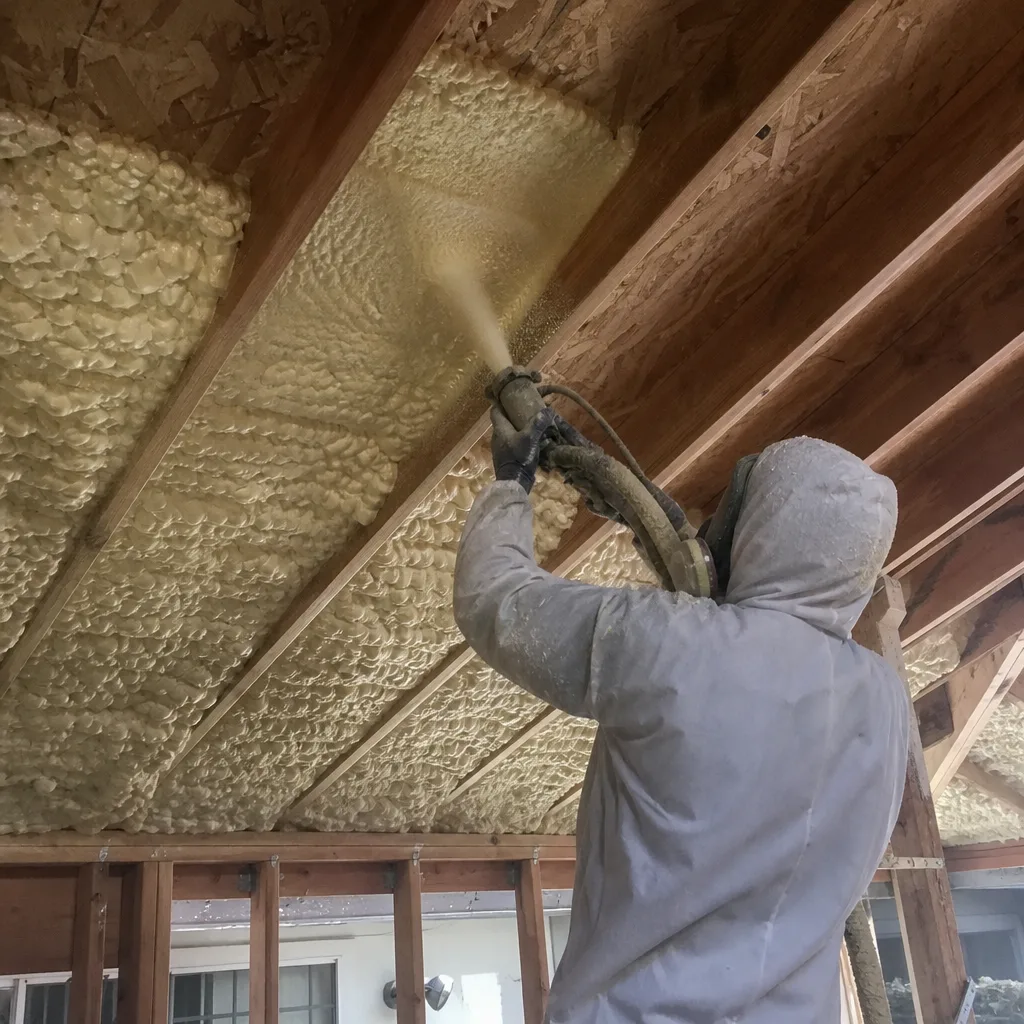
Because that space was likely built with little or no insulation between the living area and the roof deck above it. On a 1970s two-story ranch off Villa Park Road, we saw a finished bonus room hit 100°F by early afternoon because original batt had separated and fallen away from the rafter bays. We air-sealed and baffled the knee-wall cavities, then blew Owens Corning fiberglass to uniform depth across that isolated zone and the main attic, and the homeowner’s July temperature readings dropped roughly 12 degrees. If your bonus room is unusable in summer, call (657) 286-7673 - estimates are free, and we deliver a written price before any work starts.
Yes, frequently. Villa Park’s inland location puts it 10-15 degrees hotter than coastal OC in summer, and Santa Ana wind events can push attic temperatures above 150°F. A radiant barrier reflects radiant heat from the roof deck and can reduce cooling load significantly in homes with dark tile or shake roofs. We typically recommend it alongside blown-in insulation for Villa Park’s 1960s-1980s custom homes, especially where HVAC ducts run through the attic. The add-on runs $1,500-$3,000 depending on attic configuration. Call for a specific assessment.
It depends on condition, which we determine during inspection. Original fiberglass batt from the 1960s is often degraded: compressed, sagging, rodent-compromised, or installed before air sealing was required. If the batt is intact and properly aligned, a top-up at $2,800-$4,200 may suffice. If it’s separated from rafter bays, moisture-stained, or covering unsealed penetrations, full replacement at $5,500-$7,500 is the right scope. We won’t sell a top-up when replacement is needed - Haven Standard Clause 1 requires the written scope to match the actual condition.
They make it substantially more labor-intensive. Villa Park’s custom homes often have three or four disconnected attic zones - main attic over the first floor, isolated cavity over the garage bonus room, cathedral ceiling pockets, and sometimes a separate zone over a wing addition. Each needs individual access, baffle installation, and targeted blow-in or batt placement. A single-zone blow-in from a standard crew will miss these pockets, leaving hot spots and wasted energy. We map every cavity during assessment and price the scope accordingly.
Both, depending on the application. Blown-in fiberglass is our default for open main attics with complex geometry - it fills irregular cavities and reaches around obstructions. Batt insulation is our choice for finished knee walls, storage attics, and any space where we need precise R-value per inch without settlement. Many Villa Park jobs use both: blown-in for the main attic, batts for the finished zones. We specify the mix in the written scope before work starts.
Written by Wes Okafor, Owner at Topside Attic Insulation Tustin, serving Villa Park and central Orange County since 2016.