
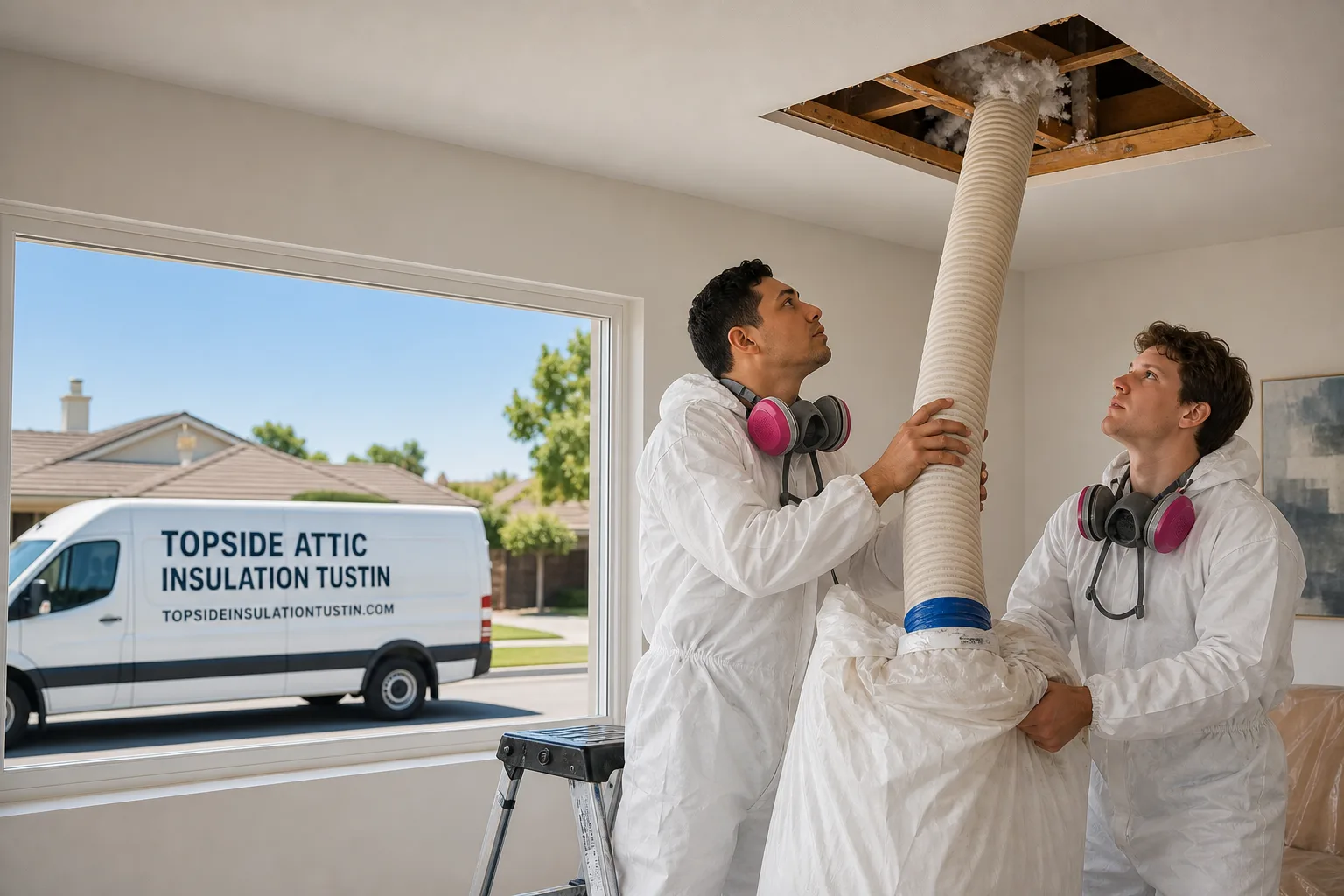
Fast, Reliable Blown-In Insulation Across Costa Mesa
Most blown-in insulation jobs in Costa Mesa run $1,800-$4,200 for a typical attic, and our crews can usually start within 48 hours of your written estimate. We dispatch from our Los Angeles office and route teams daily through the 92626, 92660, and 92661 ZIP codes, so a Harbor Heights call and a South Mesa call often share the same morning. Call (657) 286-7673 and a live person picks up, 24/7.
We’ve worked on enough Costa Mesa homes to know the local pattern: the marine layer keeps interiors comfortable enough that insulation problems hide for years. The house feels fine. The bill climbs anyway. That’s the Costa Mesa trap, and it’s why we start every job with a blower-door test - a pressurization reading that shows, in one number, how much conditioned air your building envelope is losing.
Why Topside Attic Insulation Tustin Is Costa Mesa’s Preferred Blown-In Insulation Company
We’ve sealed and insulated over 9,000 homes since 2016, and enough of them have been in Costa Mesa that we recognize the construction eras without pulling permits. The 1950s-70s ranch tracts near Bowling Green Park, the split-levels off Newport Boulevard, the later infill around One Ford Road - each has its own insulation history and its own failure mode.
Our Costa Mesa customers leave reviews that mention the same things: the technician showed up in a marked van, wore a uniform, texted when en route. They mention the written price they received before anyone touched the attic, and the photo record they walked away with. They mention the blower-door number on the receipt - 4,200 CFM50 before, 2,100 after - and that they understood what they paid for because the documentation showed it.
We’re not the fastest crew to Costa Mesa from the freeway. We’re the crew that doesn’t have to come back because we sealed before we insulated, and we put that in writing under our 365-Day Done Right Promise.
Our Blown-In Insulation Services in Costa Mesa
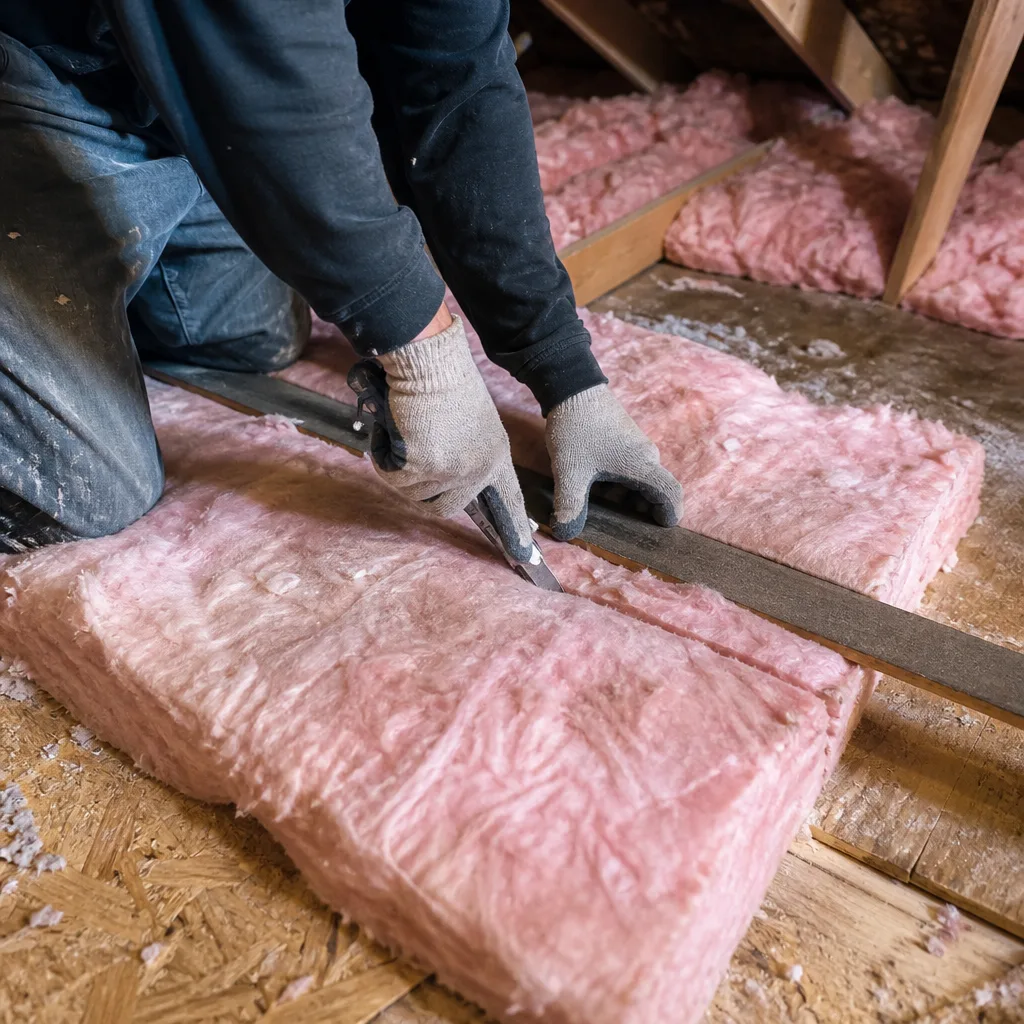
Blown-In Cellulose
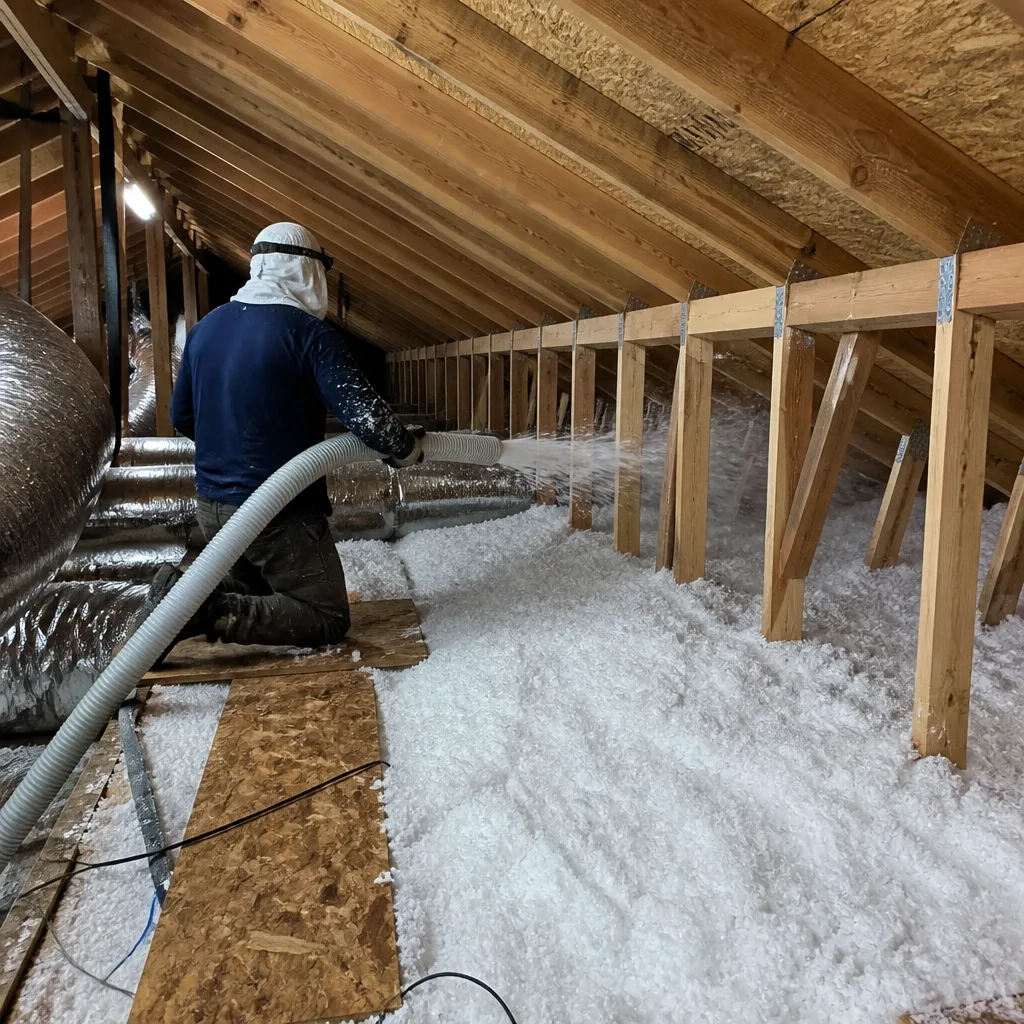
We install GreenFiber cellulose in most Costa Mesa attics because it handles the local humidity profile better than fiberglass when the marine layer rolls in off Upper Newport Bay. Cellulose is treated with borate for fire and pest resistance, and it packs into irregular cavities - critical in Harbor Heights ranches where original framing is anything but uniform. A typical attic fill in Costa Mesa runs $2,200-$3,800 for R-38 to R-49 coverage after air sealing.
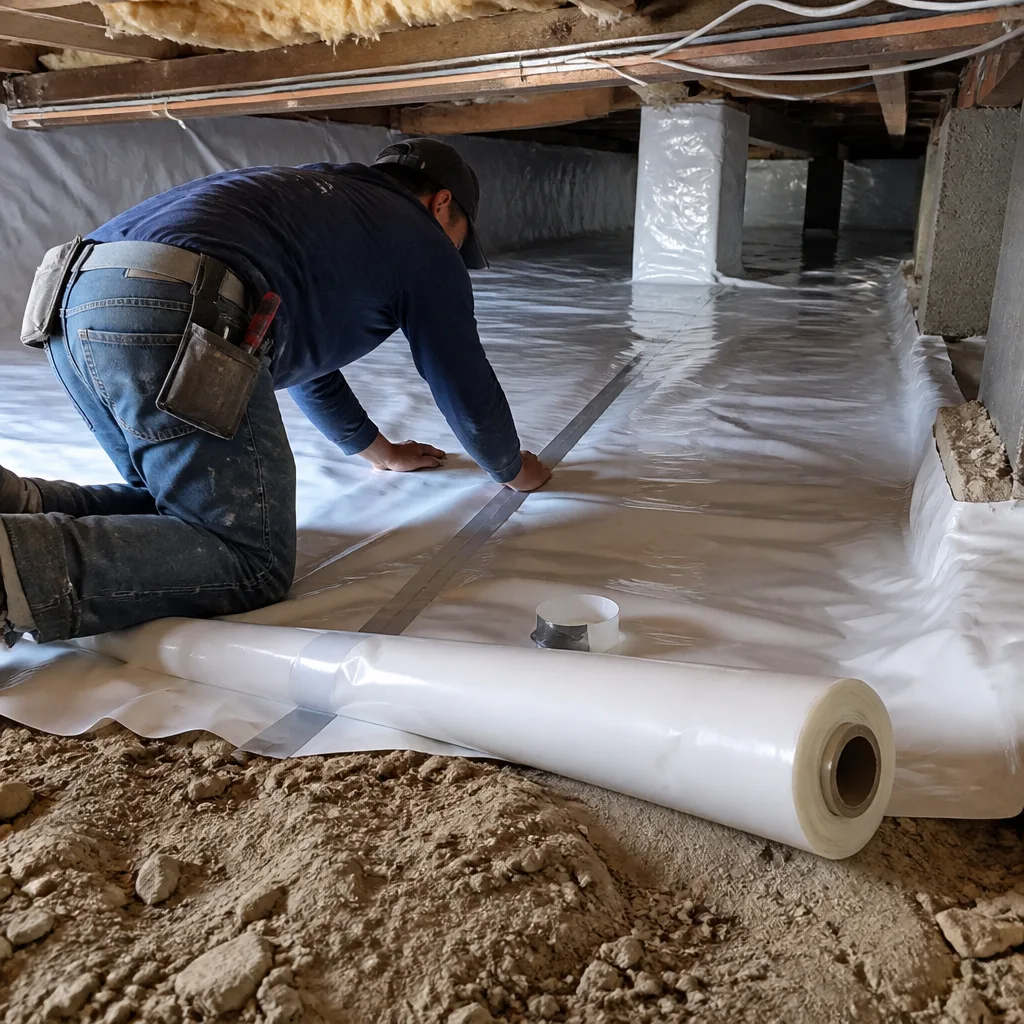
Blown-In Fiberglass
Fiberglass still has its place, especially in newer Costa Mesa construction like Belcourt or One Ford Road where the building envelope is tighter and vapor drive is less aggressive. We source from Owens Corning and Johns Manville, and we never blow fiberglass over an unsealed attic floor. That’s Haven Standard Clause 1: seal first, insulate second. In Costa Mesa’s older homes, fiberglass without air sealing is an invitation for the marine layer to mat the material into a damp crust.
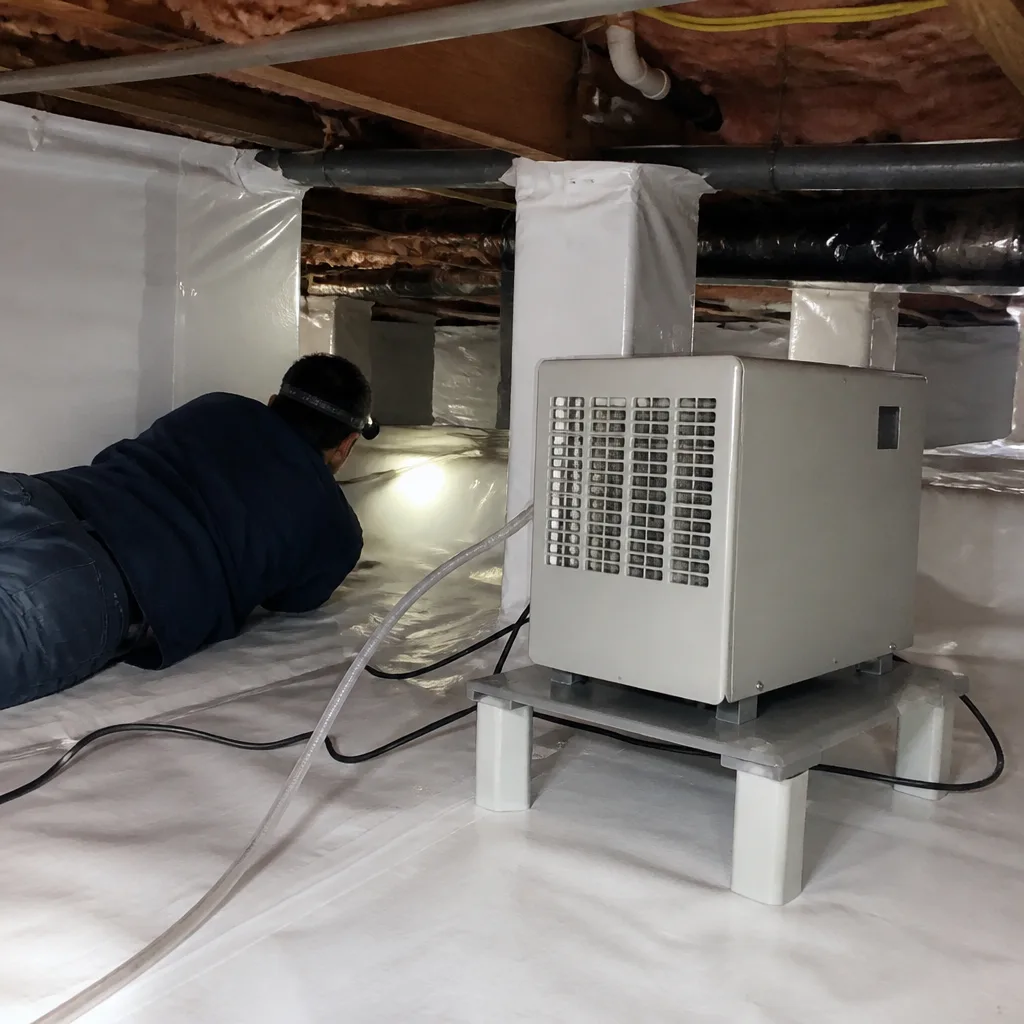
Dense-Pack Wall Insulation
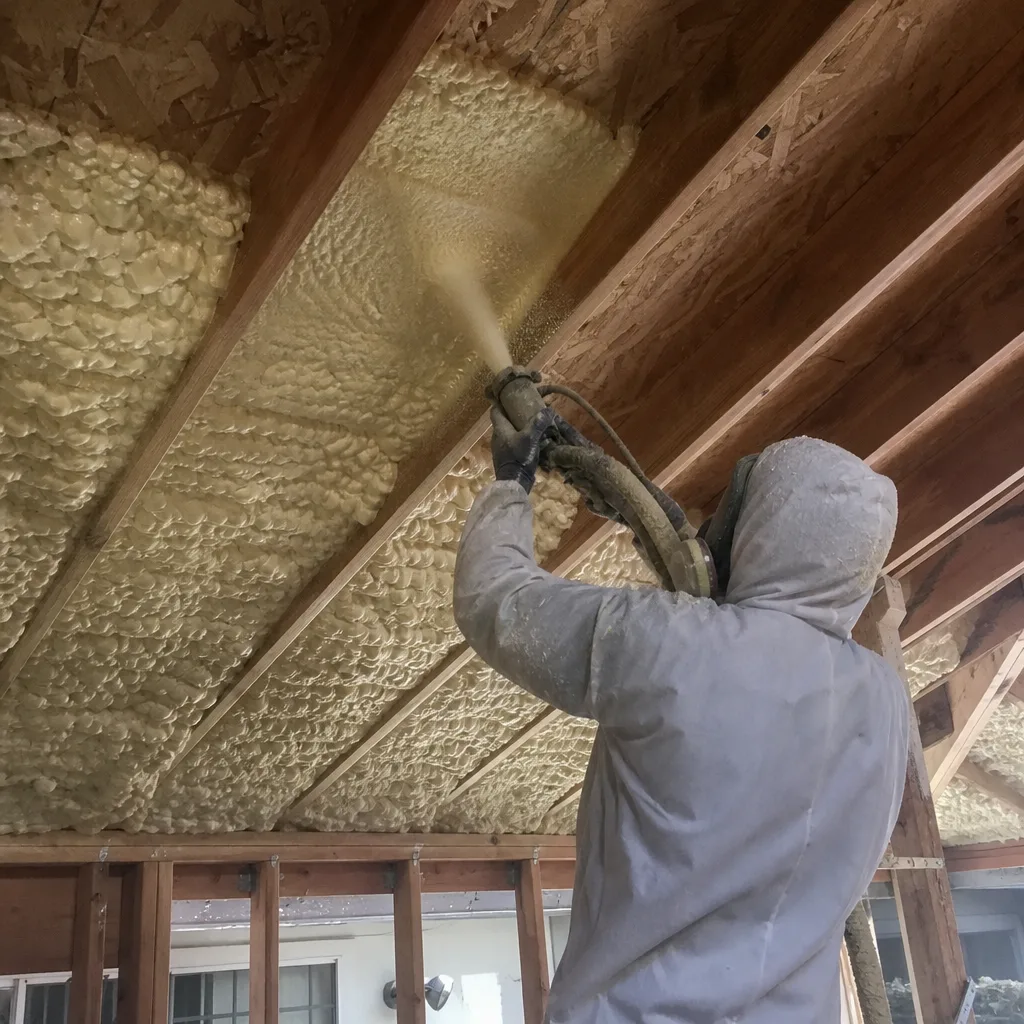
This is where we spend a lot of time in Costa Mesa. The 1950s-70s ranches in South Mesa and Harbor Heights were built with empty stud cavities - no insulation at all - because developers assumed the coastal climate made it unnecessary. We dense-pack those walls with cellulose at 3.5 pounds per cubic foot, which slows air movement through the cavity and raises the effective R-value without tearing off drywall. A typical 1,200-square-foot ranch runs $3,500-$5,500 for full exterior walls.
Blown-In Top-Up
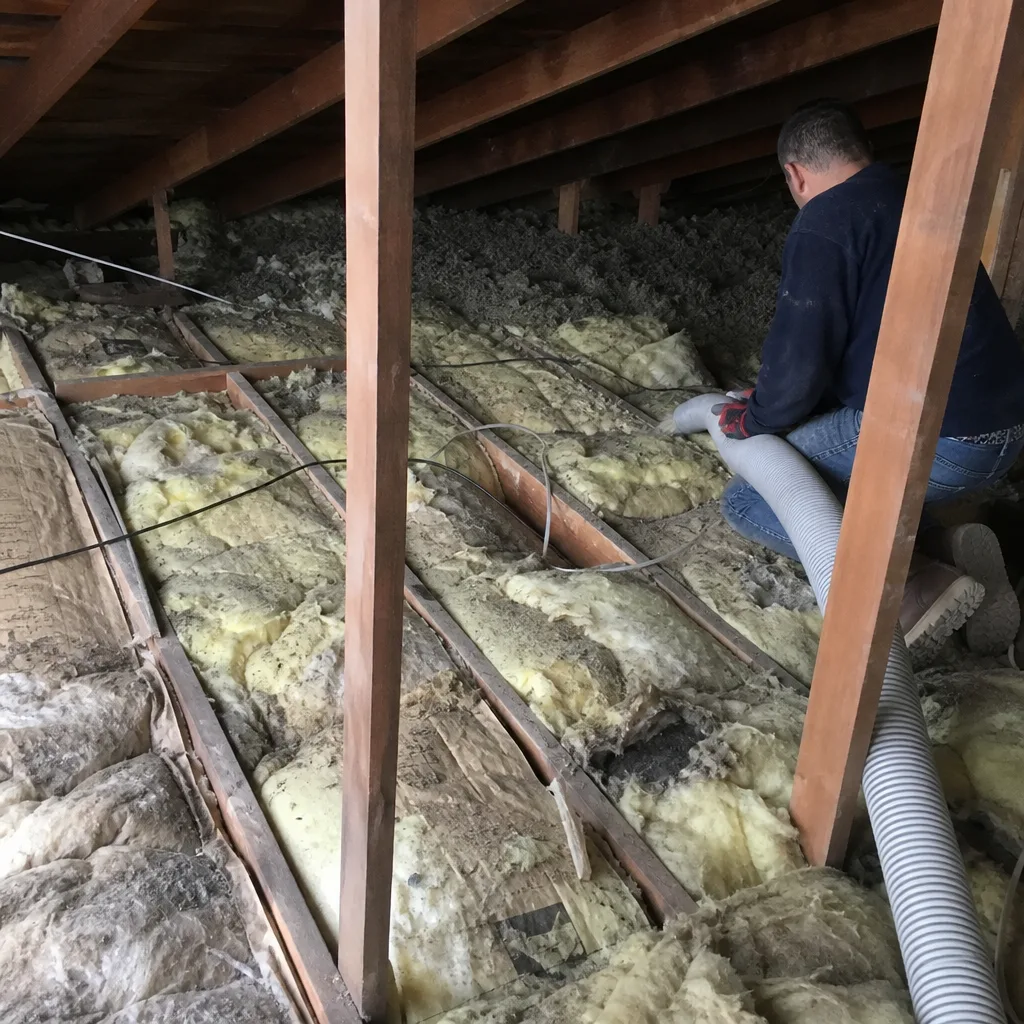
Costa Mesa has a particular top-up problem. Earlier contractors added loose fill over original batts without air sealing first, trapping moisture between layers. We see this in attics near Martin Lawrence Galleries and throughout the 92627-adjacent pockets. Our top-up protocol: remove or assess the existing material, seal all penetrations and top plates, then add new blown insulation to the specified depth. We don’t bury problems. A proper top-up in Costa Mesa runs $1,800-$3,200 depending on existing conditions and target R-value.
What happens when you call
- 1
A real person answersNo phone trees - you reach a local pro.
- 2
You get an upfront price rangeHonest numbers before anyone is dispatched.
- 3
A background-checked tech heads outLicensed & insured, dispatched right away.
- 4
You approve before work beginsNothing starts until you say go.
 Before
 After
AfterTrusted Brands We Service in Costa Mesa
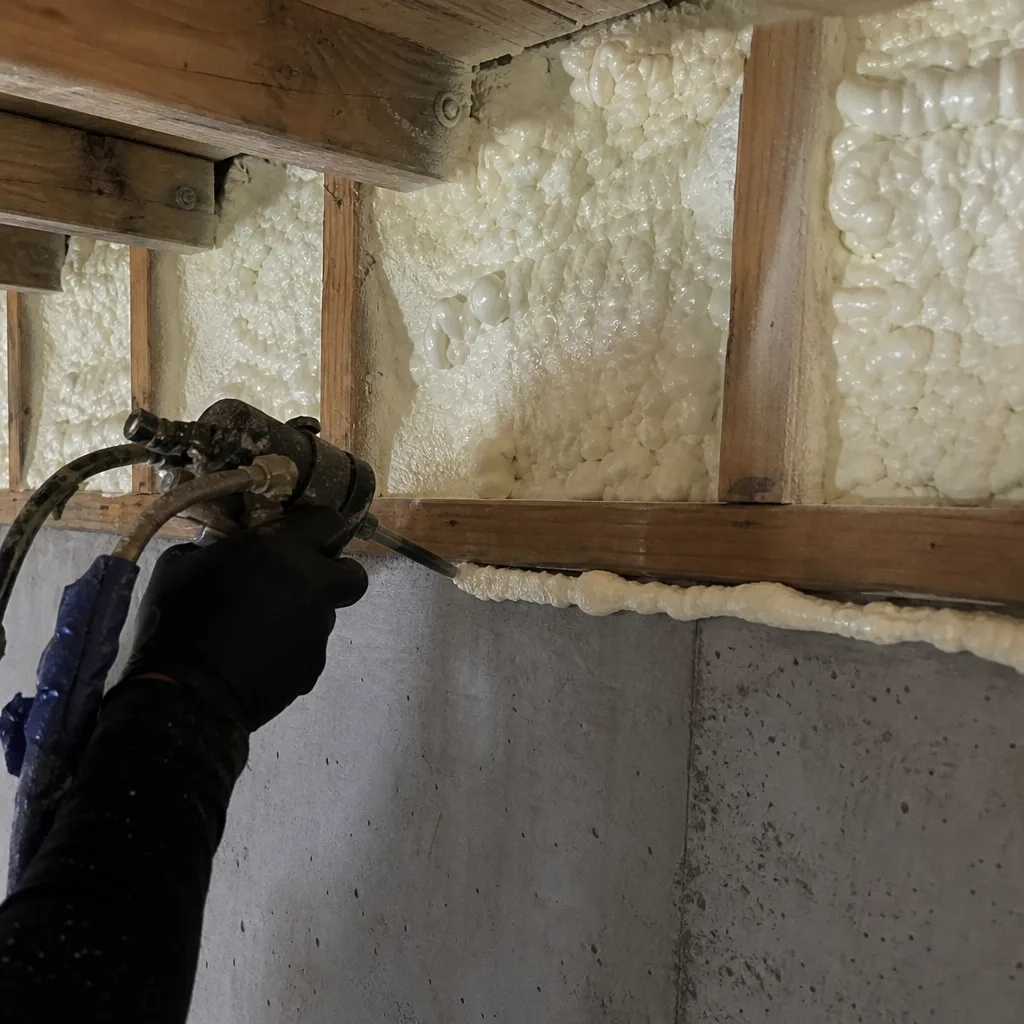
We stock materials from Rockwool, CertainTeed, and Icynene for Costa Mesa jobs, with no proprietary lock-in that limits your options. Rockwool’s mineral wool handles the high-humidity assemblies we find near the Upper Newport Bay edge without degrading. CertainTeed’s fiberglass products work well in the tighter newer homes around One Ford Road. Icynene open-cell spray foam serves as a hybrid solution where we need both air sealing and insulation in one pass - sometimes the right call for Costa Mesa’s complex rooflines. We order through regional distributors, so replacement material for any follow-up arrives next day, not next week.
Common Blown-In Insulation Problems We See in Costa Mesa Homes
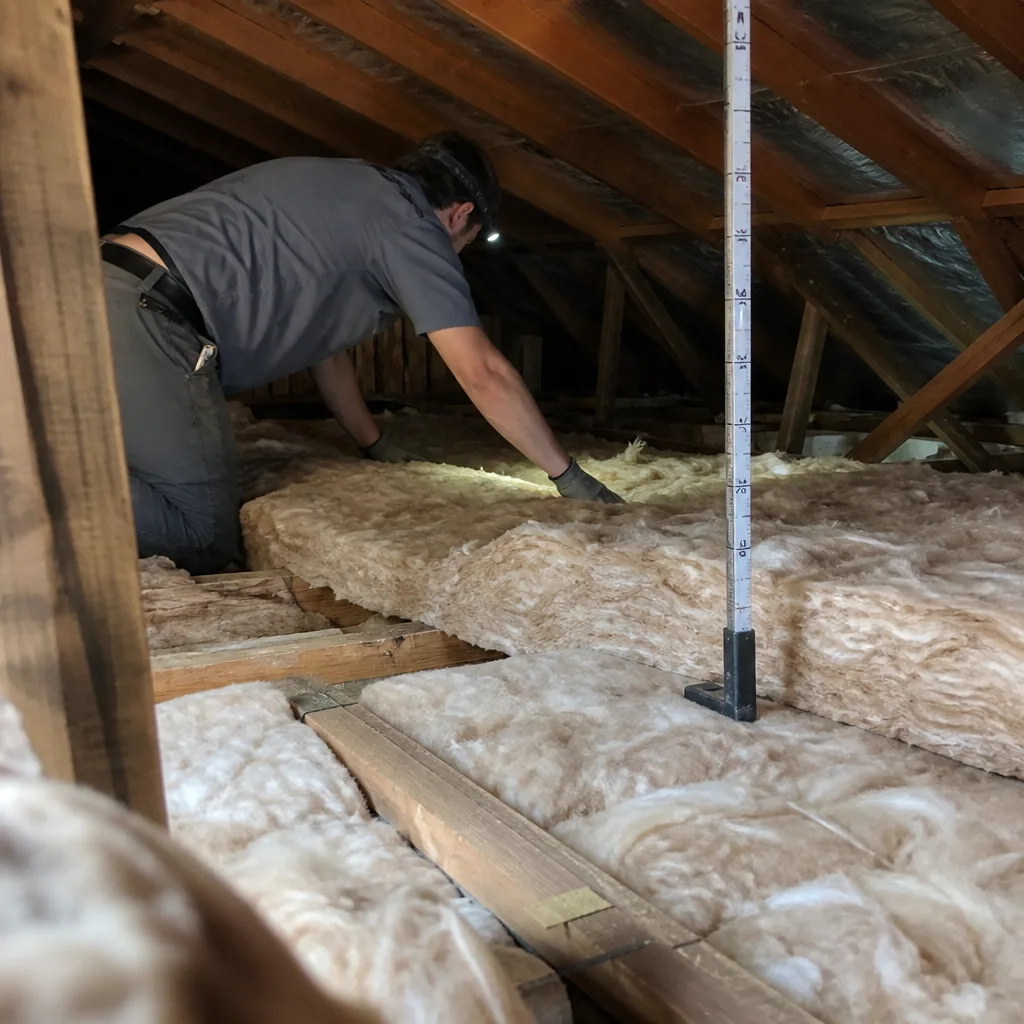
- Moisture-matted original fiberglass in Harbor Heights and South Mesa. The 1960s blown fiberglass has compressed to near R-5, kept damp by daily marine-layer infiltration. Homeowners feel no summer heat spike because the coastal air is so mild, so the damage goes unnoticed until an audit or a mold concern surfaces.
- Unsealed legacy garage doors funneling damp air into attics and walls. The original one-piece or early sectional doors on these same homes leave gaps at the top and sides. The marine layer doesn’t just stay outside - it gets pumped into the attic every time the door cycles, especially on homes facing the bay breeze.
- Moisture-trapping top-ups from earlier contractors. Blow-in material added over unsealed original insulation creates a vapor sandwich. The new material degrades. The old material stays wet. Both lose R-value, and the homeowner paid twice for a worse assembly.
- Missing wall insulation in postwar tract framing. Costa Mesa’s 1950s-70s builders left stud cavities empty, assuming the coastal climate made insulation unnecessary. Fifty years later, those walls are thermal bridges that leak conditioned air year-round.
Pricing for Blown-In Insulation in Costa Mesa, CA
Here’s what blown-in insulation costs in Costa Mesa’s current market, based on jobs we’ve completed in 92626, 92660, and 92661:
| Service | Typical Range | What Affects It |
|---|---|---|
| Attic blown-in cellulose (R-38 to R-49) | $2,200-$3,800 | Attic square footage, existing removal needs, accessibility |
| Attic blown-in fiberglass | $1,800-$3,200 | Depth of fill, condition of existing material |
| Dense-pack wall insulation | $3,500-$5,500 | Exterior wall linear footage, interior or exterior access method |
| Blown-in top-up over sealed attic | $1,800-$3,200 | Target R-value, whether existing material stays or goes |
| Air sealing + blower-door verification | $800-$1,500 | Attic complexity, number of penetrations, can light count |
These ranges assume a typical Costa Mesa ranch or split-level between 1,000 and 2,000 square feet. Homes in Harbor Cove or Island Lagoon with complex rooflines, multiple attic zones, or finished attic space will run higher. We don’t guess at your price - we measure, photograph, and write it down before any work starts. That’s Haven Standard Clause 1. Bring us any competing written estimate and we’ll review it with you for free.
We Also Serve Cities Near Costa Mesa
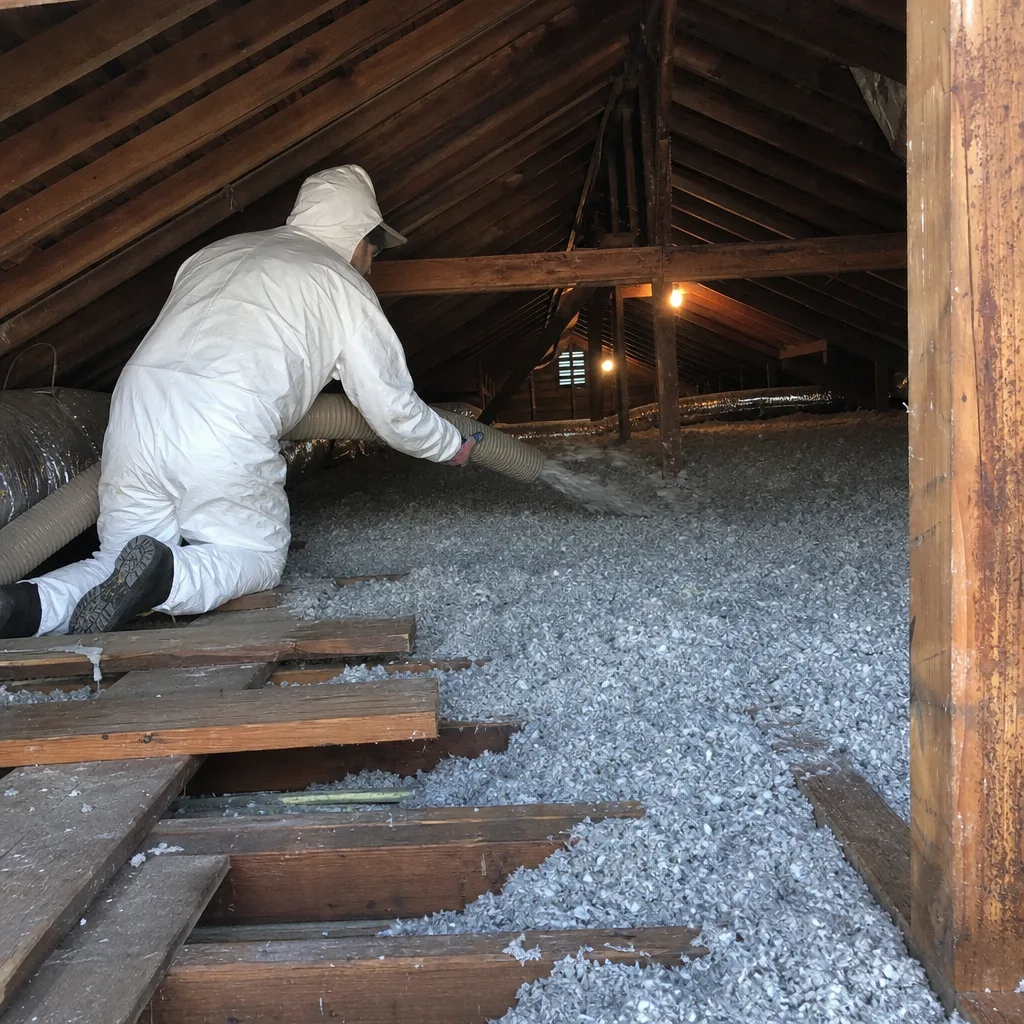
Our crews route through Costa Mesa daily and continue into Fountain Valley, Santa Ana, Huntington Beach, and Tustin. If you’re near the border - say, the Costa Mesa side of the 405 where it meets Huntington Beach - we’ll schedule you with the same crew rotation, same written price protocol, same documented photo record. The Blown-In Insulation hub page lists our full service line if you want to compare methods.
Serving Costa Mesa, CA - Our Local Coverage Area
We’re based in the Costa Mesa area and know this community well. Use the map below to see our service coverage - if you’re nearby, we can almost certainly help.
FAQs - Blown-In Insulation in Costa Mesa
Your insulation is likely moisture-compromised, not heat-compromised, and the mild coastal air is masking the loss. In Costa Mesa’s marine-layer climate, original fiberglass in Harbor Heights and South Mesa attics compresses and dampens without ever creating the hot-ceiling symptom that tips off inland homeowners. The HVAC runs longer to maintain setpoint, but you don’t feel the difference until the bill arrives. Call (657) 286-7673 for a free estimate - we’ll blower-door test and show you the number.
Yes. Costa Mesa’s persistent marine-layer humidity off Upper Newport Bay creates vapor-drive conditions that inland Orange County cities like Anaheim simply don’t face. We specify vapor-retarding air-seal layers at all attic penetrations before adding blown material, and we select borate-treated cellulose or mineral wool in high-exposure assemblies. Skip this step and you’re trapping moisture, not stopping it. Call (657) 286-7673 and we’ll walk through your specific roof assembly.
Retrofit. Legacy one-piece doors and their obsolete openers leave unsealed gaps that pump marine-layer air directly into your attic and wall cavities, undermining any insulation investment. We regularly pair attic and wall insulation with garage door upgrades in Costa Mesa’s postwar ranches - the hardware is past service life, parts availability is spotty, and a modern sectional with proper perimeter sealing stops the air infiltration at its source. Call (657) 286-7673 for a written scope that addresses both.
Look for uneven depth, visible compression, or dark staining - but in Costa Mesa, the real test is a blower-door reading paired with thermal imaging. We’ve found attics near Bowling Green Park reading near R-5 that looked fine to the eye because the damp material had compressed uniformly. We provide before-and-after blower-door numbers on every applicable job, plus a Documented Photo Record, so you have evidence instead of guesswork. Call (657) 286-7673 to schedule.
We install GreenFiber cellulose, Owens Corning fiberglass, and Rockwool mineral wool, selected by assembly condition rather than habit. Cellulose for most Costa Mesa attics because it handles humidity and packs irregular cavities. Fiberglass for tighter newer construction where vapor drive is controlled. Rockwool where fire resistance or moisture resilience is paramount, such as homes near the Upper Newport Bay edge. Every choice is written into the scope before work starts. Call (657) 286-7673 for your specific recommendation.
Ready to stop the invisible loss? Call (657) 286-7673 for a free written estimate. A live person answers, 24/7. We’ll schedule a technician to your Costa Mesa home, run the blower-door test, photograph the existing conditions, and leave you with a flat price and written scope before anyone lifts a tool. Under The Haven Standard since 2016: have it in writing.
Written by Wes Okafor, Owner at Envelope Insulation Co., serving Costa Mesa under The Haven Standard since 2016.