
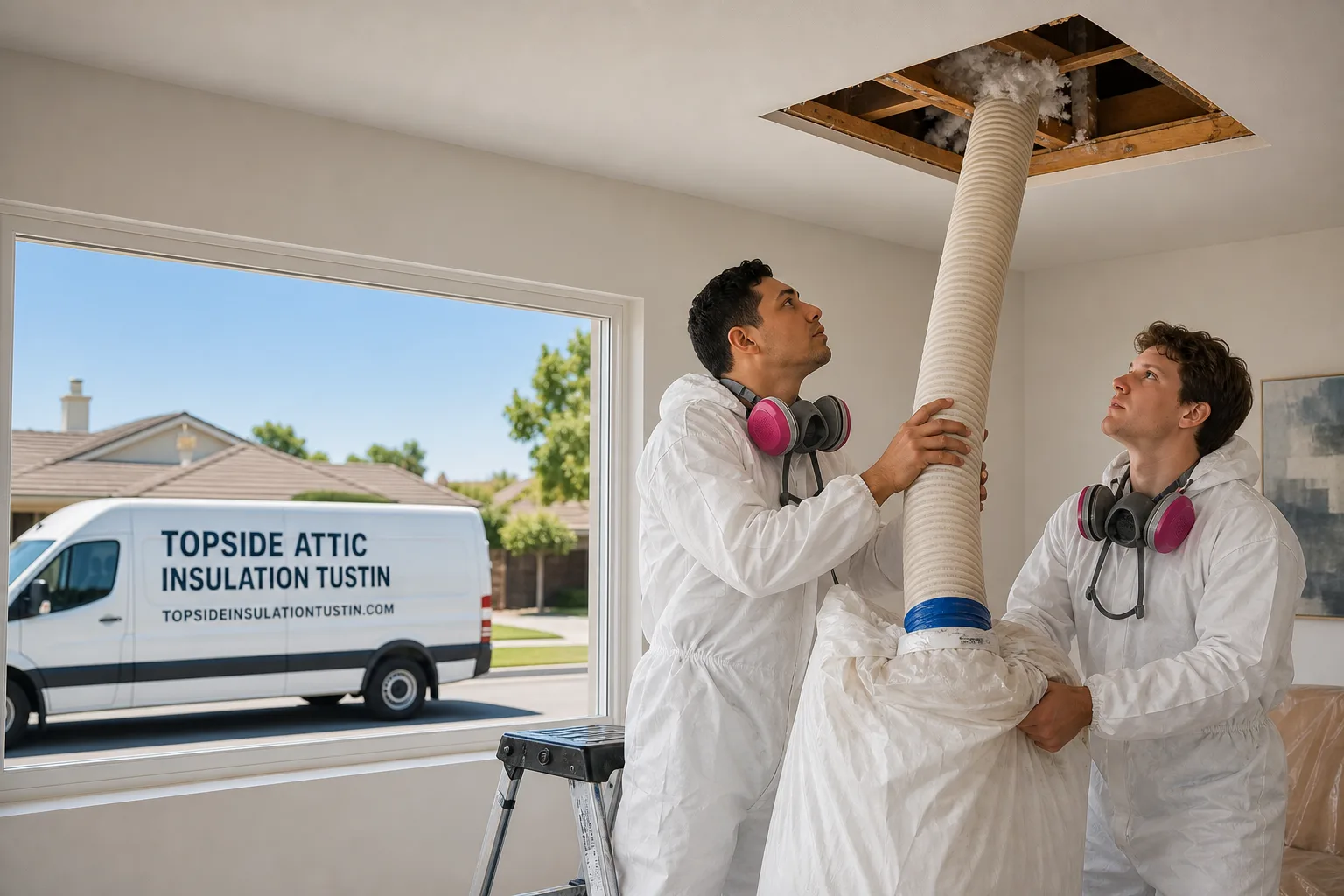
Fast, Reliable Spray Foam Insulation Across Fountain Valley
Spray foam insulation in Fountain Valley typically runs $2,800-$6,500 for most ranch-style homes, with same-week scheduling available and crews arriving from our Los Angeles office within 45 minutes of your call. We work the 1960s and 1970s tract neighborhoods daily - Mile Square, Green Valley, and the streets off Ellis Avenue and Brookhurst - and we know what the marine layer has done to the original batts in your attic. Call (657) 286-7673 for a free written estimate with a flat price before any work starts.
Why Topside Attic Insulation Tustin Is Fountain Valley’s Preferred Spray Foam Insulation Company
We’ve sealed and insulated more than 9,000 homes since 2016, and a significant share of them sit in Fountain Valley’s uniform grid of pre-Title-24 ranches. Our reviews from Fountain Valley homeowners consistently note the same thing: we show the thermal-camera images, we publish the blower-door numbers, and we don’t start until the price is in writing. Response time to Fountain Valley averages under an hour from dispatch because our crews already know the difference between the 92708 zip and the streets bordering Huntington Beach - where the marine layer lingers longest and attic moisture runs highest.
Our Spray Foam Insulation in Fountain Valley work follows a protocol developed specifically for coastal-adjacent OC: vapor-open open-cell in the attic, closed-cell at the rim joist, and never foam over wet substrate. That’s not a preference. It’s what these homes require.
Our Spray Foam Insulation Services in Fountain Valley
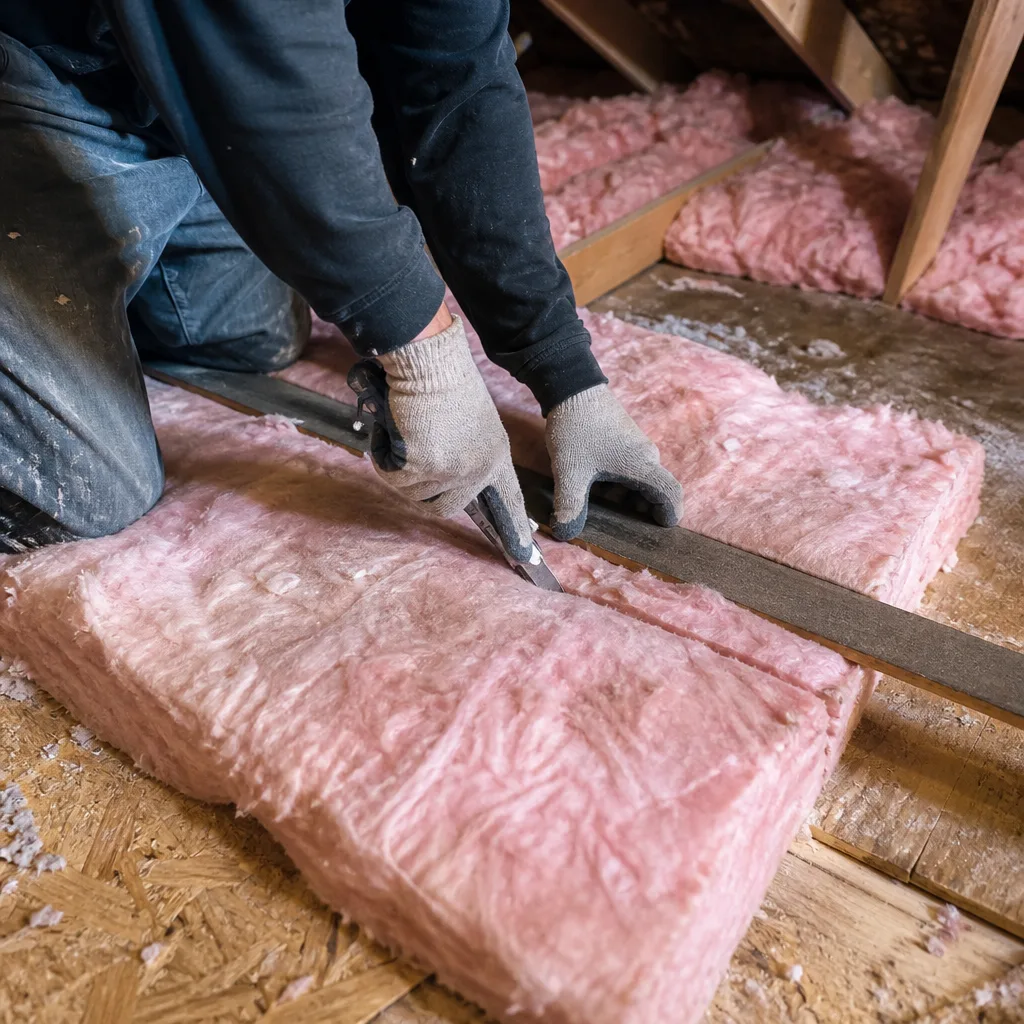
Open-Cell Spray Foam
Open-cell foam is our default specification for Fountain Valley attic floors and roof decks. It’s vapor-open, meaning the coastal moisture that pushes through your building envelope daily can dry to the interior instead of condensing against the roof deck. Most 1960s-70s ranches here need 5-7 inches of open-cell across the attic floor after we remove the original compressed batts. The material we specify is typically Icynene or Demilec - both formulated for high-humidity coastal zones, not the dry-climate specs you’d see inland.
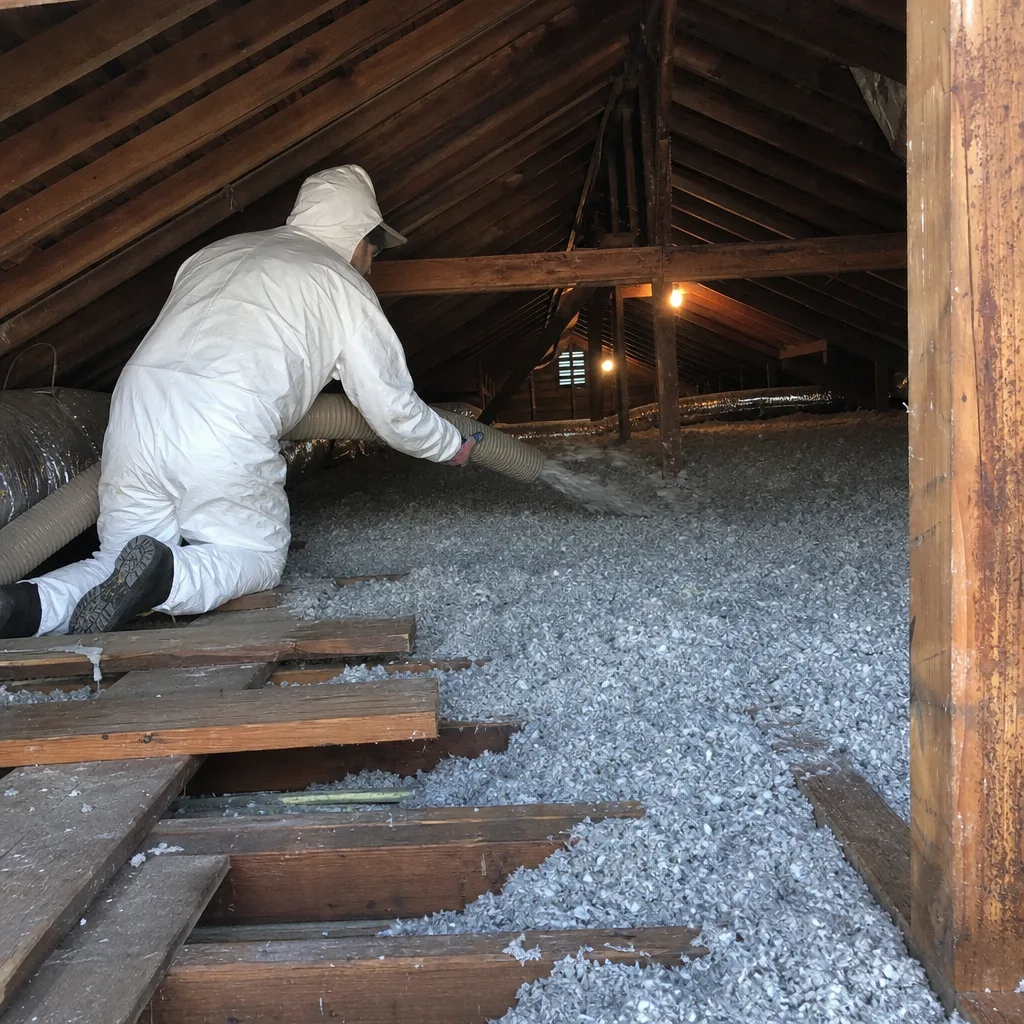
Closed-Cell Spray Foam
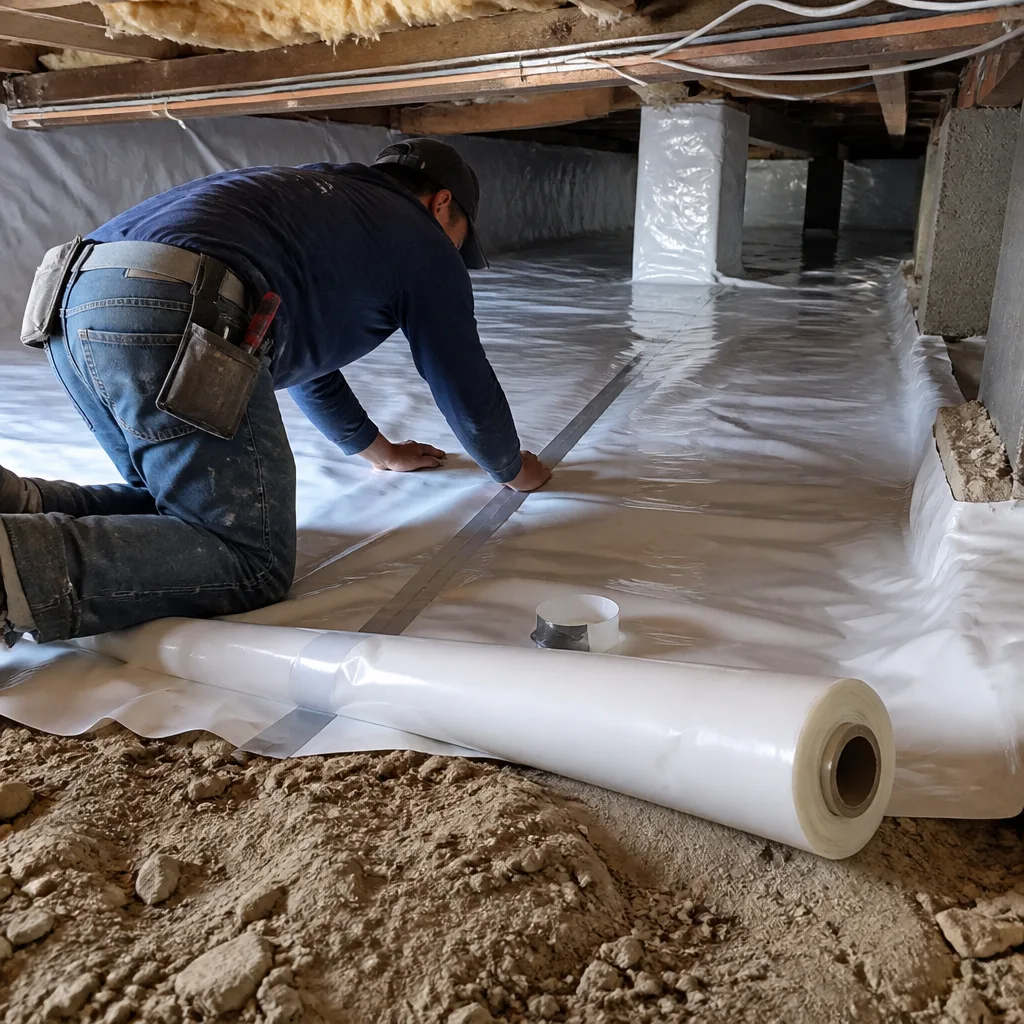
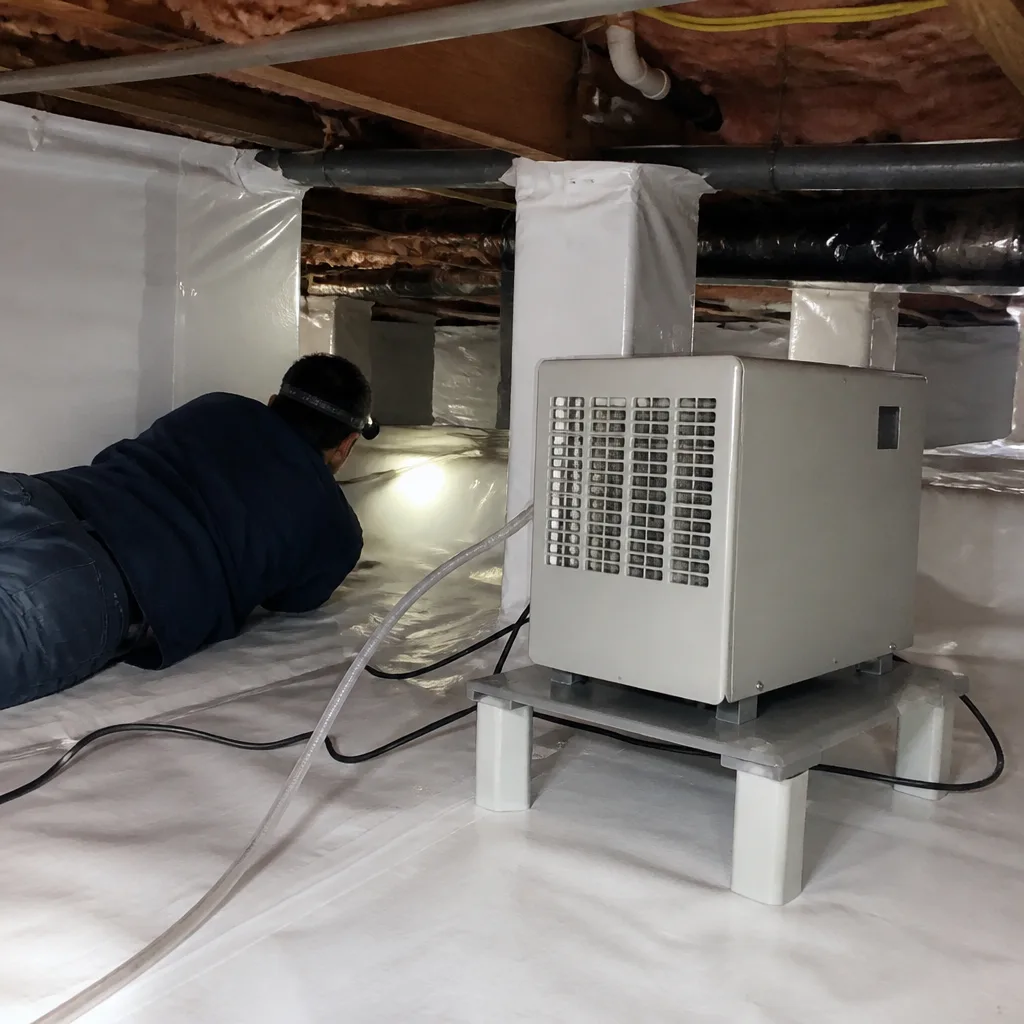
We use closed-cell sparingly in Fountain Valley, and only where it belongs: rim joists, garage ceiling transitions, and occasional crawl-space applications. The 2 lb/ft³ density creates a vapor barrier that stops air and moisture at the foundation perimeter - critical on slab-on-grade ranches where the rim joist is often the leakiest part of the envelope. We do not specify closed-cell across attic floors in this climate. The marine-layer humidity needs an escape path, and closed-cell traps it.
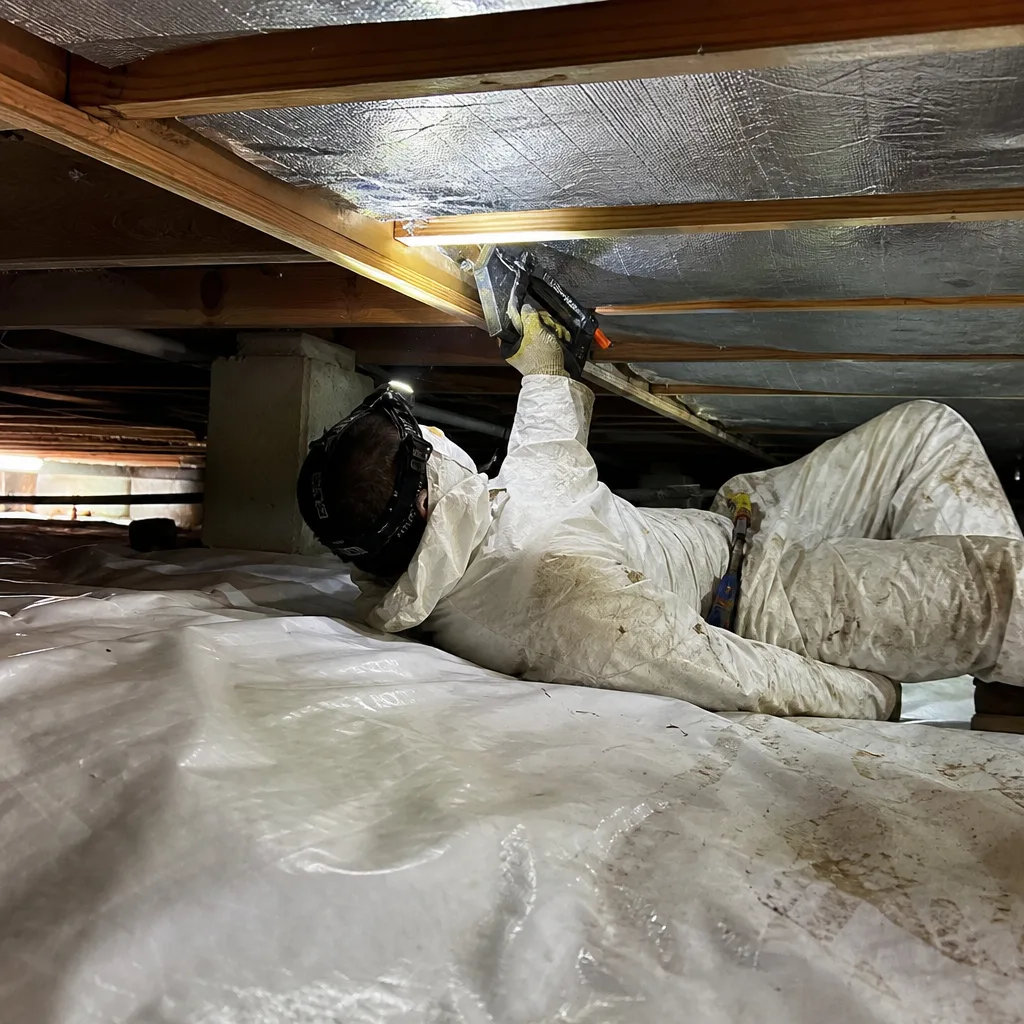
Rim Joist Spray Foam
The rim joist is where your floor framing sits on the foundation, and on Fountain Valley’s slab-on-grade ranches, it’s almost always unsealed. We find daylight through the sill plate on roughly eight out of ten 1960s-70s homes here. Our crew foams the rim with closed-cell to 2-3 inches, creating an air and moisture seal at the building’s most vulnerable junction. This is non-negotiable work - we won’t insulate an attic until the rim joist is sealed, because pressurizing the attic while the rim leaks is like bailing a boat with holes in the hull.
Garage Ceiling Spray Foam
Attached garage ceilings in Fountain Valley ranches often share a thermal boundary with conditioned bedrooms above. We spray open-cell foam across the garage ceiling to establish that boundary properly, with fire-rated thermal barrier coating where code requires it. The work matters more here than in inland cities - the marine layer cools garage slabs and ceilings, creating temperature differentials that drive condensation if the air barrier is incomplete.
Spray Foam Roof Deck
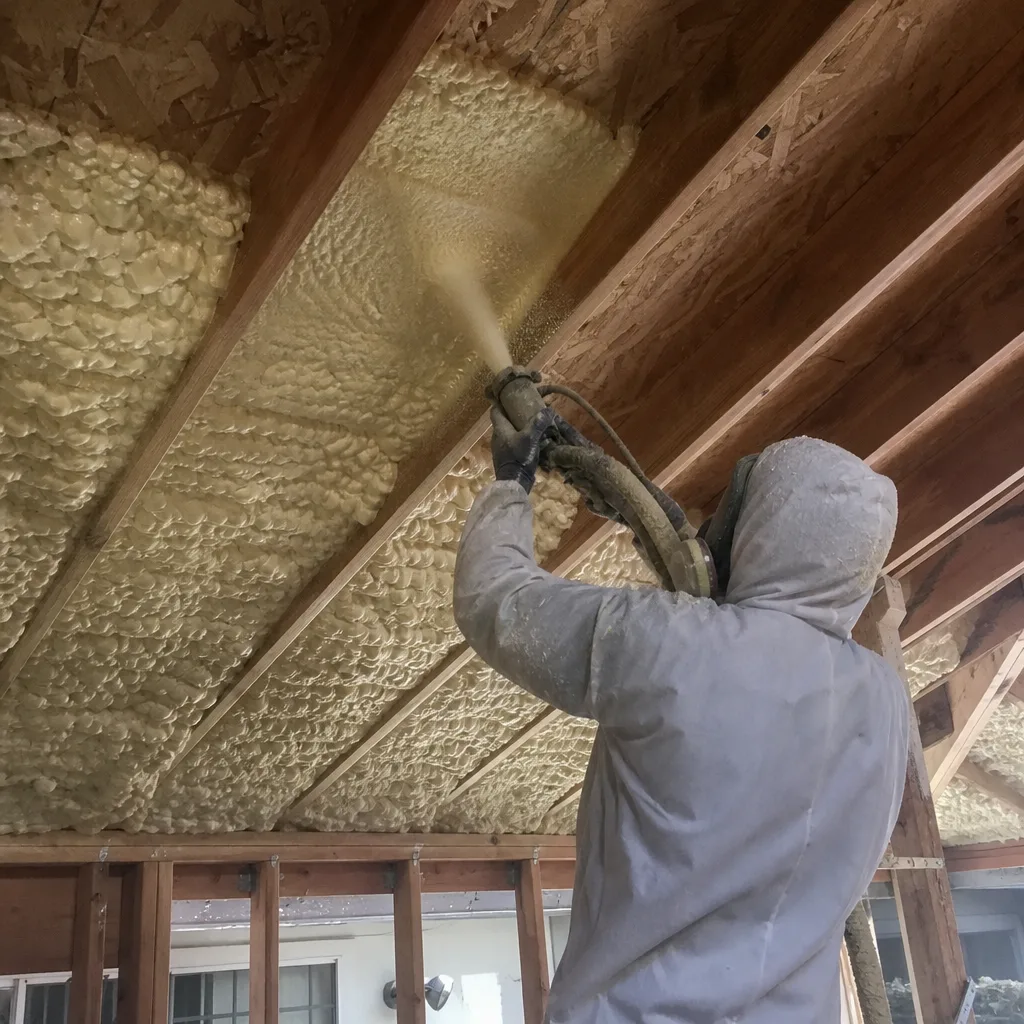
Roof-deck foam converts vented attics into conditioned space, and it’s the right call for some Fountain Valley homeowners - especially those with HVAC ducts in the attic or persistent condensation issues. We spray open-cell directly to the underside of the roof deck, creating a semi-conditioned zone that stays within 10-15°F of the living space. On a 1972 ranch off Slater Avenue last spring, this approach stopped the ceiling sweating that had plagued the homeowner for three June-gloom seasons.
What happens when you call
- 1
A real person answersNo phone trees - you reach a local pro.
- 2
You get an upfront price rangeHonest numbers before anyone is dispatched.
- 3
A background-checked tech heads outLicensed & insured, dispatched right away.
- 4
You approve before work beginsNothing starts until you say go.
 Before
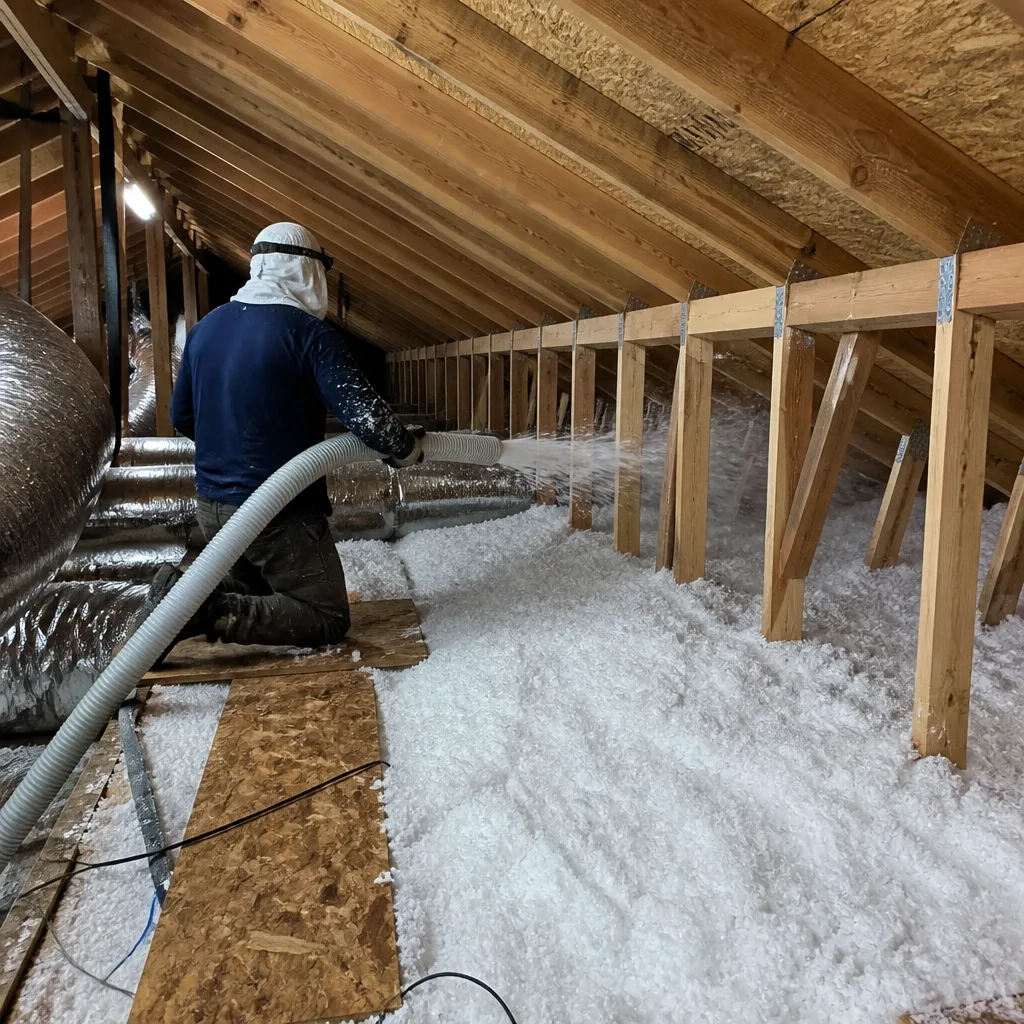 After
AfterTrusted Brands We Service in Fountain Valley
We source spray foam systems from Icynene, Demilec, and CertainTeed - no proprietary lock-in, no single-source obligation. For Fountain Valley’s coastal humidity profile, we typically specify Icynene’s open-cell water-blown formulations or Demilec’s heat-resistant closed-cell products at the rim. Stock is held at our Los Angeles office, so material-specific jobs don’t wait on cross-country freight. If your project calls for a particular brand’s environmental credentials or warranty terms, we match the spec to the product rather than forcing a one-size inventory on every home.
Common Spray Foam Insulation Problems We See in Fountain Valley Homes
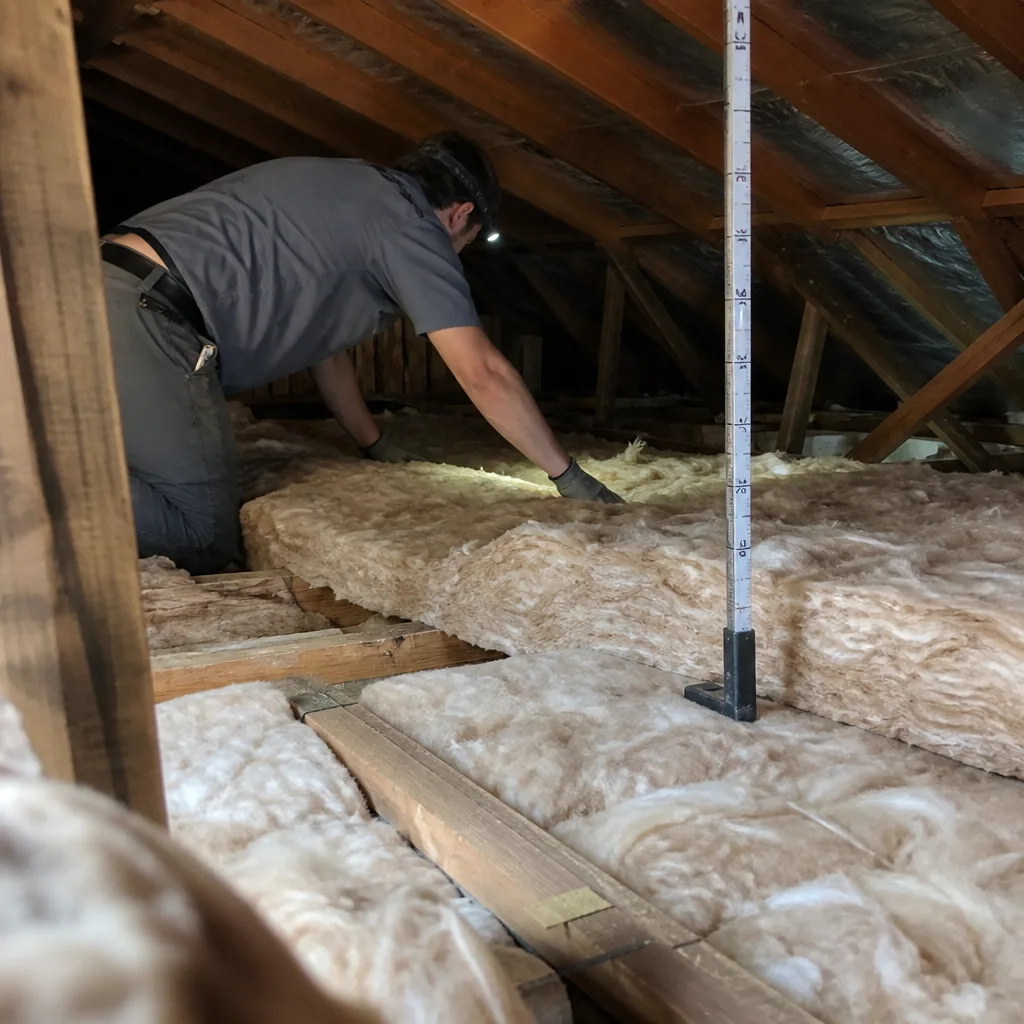
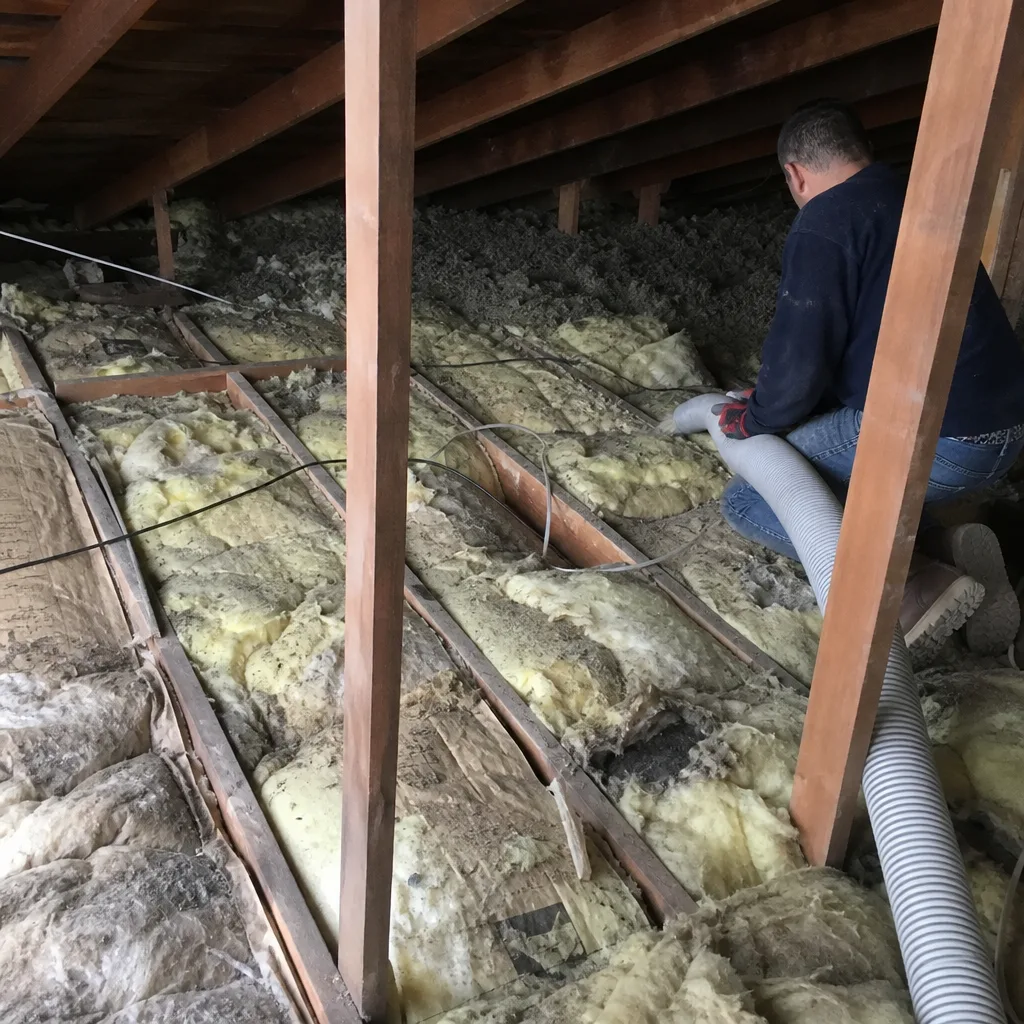
- Wet substrate from compressed original batts. Installers who don’t remove the 1960s loose-laid fiberglass before foaming trap decades of marine-layer moisture against the attic floor. The foam adheres poorly and the moisture problem worsens. We pull every compromised batt before we spray.
- Closed-cell specified where open-cell belongs. A vapor-closed attic in Fountain Valley’s climate is a condensation collector. We’ve re-worked jobs where another contractor sprayed closed-cell across a roof deck, and the homeowner found water dripping from nail points by the second winter.
- Empty wall cavities left unaddressed. The 2×4 walls on these ranches are frequently hollow. Foam the attic floor only, and thermal cameras still show systematic gaps at every stud bay. We evaluate wall cavities on every job and specify retrofit foam where the budget allows.
- Rim joist ignored entirely. The gap between slab and sill plate is invisible from inside the house, but it’s often the largest single air leak. We photograph it, seal it, and include the documentation in your job record.
Pricing for Spray Foam Insulation in Fountain Valley, CA
Most spray foam jobs in Fountain Valley fall between these ranges, based on 2024-2025 local material and labor costs:
- Open-cell attic floor (typical 1,200-1,800 sq ft ranch): $2,800-$4,200
- Closed-cell rim joist (perimeter seal on slab-on-grade): $1,400-$2,600
- Garage ceiling spray foam (attached, single-car): $1,800-$2,800
- Roof-deck open-cell conversion (full attic): $4,500-$6,500
- Wall-cavity retrofit foam (per 1,000 sq ft of wall): $3,200-$4,800
What moves the number: attic accessibility (some 1960s ranches have 24-inch truss spacing that complicates hose work), quantity of original material to remove, and whether thermal-barrier coating is required by code. Every estimate includes a flat written price, a written scope, and a written warranty before anyone lifts a tool - Haven Standard Clause 1. Call (657) 286-7673; estimates are free, and we offer a Free Second Opinion on any written estimate you’ve already received.
We Also Serve Cities Near Fountain Valley
Our crews work daily in Costa Mesa, Huntington Beach, Garden Grove, and Santa Ana - but Fountain Valley’s 1960-80 housing stock is what we know best. The marine-layer dynamics change just a few miles inland, and so do our specs. If you’re in a neighboring city with a similar vintage home, our Spray Foam Insulation team will evaluate your specific conditions on site.
Serving Fountain Valley, CA - Our Local Coverage Area
We’re based in the Fountain Valley area and know this community well. Use the map below to see our service coverage - if you’re nearby, we can almost certainly help.
FAQs - Spray Foam Insulation in Fountain Valley
Open-cell. The attic needs to breathe in this coastal climate. Closed-cell traps marine-layer vapor against the roof deck and creates condensation problems that don’t show up until the second or third season. We specify open-cell across the attic floor or roof deck, and reserve closed-cell for the rim joist where vapor-blocking is actually desirable. Call (657) 286-7673 and we’ll walk through your specific layout.
No. Foam applied over wet or compressed substrate fails to bond properly and locks moisture against the wood structure. Our protocol is removal first, drying assessment second, foam third. On a 1968 ranch off Ellis Avenue, our crew pulled original loose-laid fiberglass batts out of the joist bays - they’d compressed and matted from two decades of marine-layer humidity - and found empty 2×4 wall cavities behind them with thermal-camera gaps at every truss. We foamed the rim joist in closed-cell and laid vapor-open open-cell across the attic floor to let the coastal moisture the batts had been trapping finally dry out. The homeowner’s winter gas bill dropped, and the ceiling stopped sweating on June-gloom mornings.
The Pacific marine layer rolls in overnight, penetrates attic vents, and keeps relative humidity elevated until mid-morning even on days that top out at 75°F. Your attic isn’t hot; it’s damp. And damp insulation conducts heat rather than resisting it. We measure attic humidity on every estimate, and we specify vapor-open assemblies that let that moisture escape rather than accumulate. That’s the difference between a Fountain Valley spec and an Anaheim spec.
Attic first, walls when budget allows. The attic is the dominant thermal bypass in these homes - typically 30-40% of conditioned air loss. Wall cavities matter, but they’re secondary. We use thermal imaging to show you the exact pattern of loss in your specific home, then prioritize based on the blower-door reading and your budget. The written scope breaks out attic and wall work as separate line items so you can phase the project.
The rim joist on slab-on-grade ranches is almost always the leakiest point in the envelope - unsealed sill plates, gaps at the foundation, and no capillary break. We spray 2-3 inches of closed-cell foam to create an air seal and vapor barrier at that junction. It’s the one place in a Fountain Valley home where we want vapor-closed performance. The work is documented with before-and-after photos and included in your blower-door report.
Written by Wes Okafor, Owner at Envelope Insulation Co., serving Fountain Valley since 2016 under The Haven Standard.