
Last updated September 24, 2026
Seasonal Insulation Care for Tustin: Year-Round Homeowner’s Guide
The week Tustin homeowners most often call about high energy bills is late June, but the insulation condition that caused those bills was set in motion the previous October when attic hatch seals were left unrepaired after holiday storage trips into the attic. Tustin’s climate isn’t four equal seasons - it’s essentially a seven-month cooling load, a short mild period, and a brief heating spike. That asymmetry means insulation problems follow a predictable calendar, and homeowners who understand the timing can anticipate trouble instead of reacting to it. This guide - along with our Complete Guide to Insulation in Tustin - maps what happens to your attic, crawl space, and wall cavities month by month in Tustin’s specific climate, with numbers you can act on.
Quick Answer
Seasonal insulation care in Tustin means sealing attic air leaks in February and March before cooling loads peak, protecting blown-in insulation from displacement during October and November storage season, and using your June energy bill’s kWh-per-degree-day figure to catch degradation before late summer humidity stresses fiberglass batt facing. A home with properly maintained envelope insulation in Tustin typically runs 15 to 25 percent lower cooling kWh than a similar home with degraded attic insulation and unsealed top plates.
Table of Contents
- October-November: The Attic Storage Season and the Damage It Causes
- December-January: The Furnace Restart Check
- February-March: The One Window for Attic Air Sealing
- April-May: Pre-Cooling Load Verification
- June-July: Reading Your Energy Bill for Insulation Performance
- August-September: Late-Summer Humidity and Attic Moisture Events
- Common Mistakes to Avoid
- When to Call a Professional
- Frequently Asked Questions
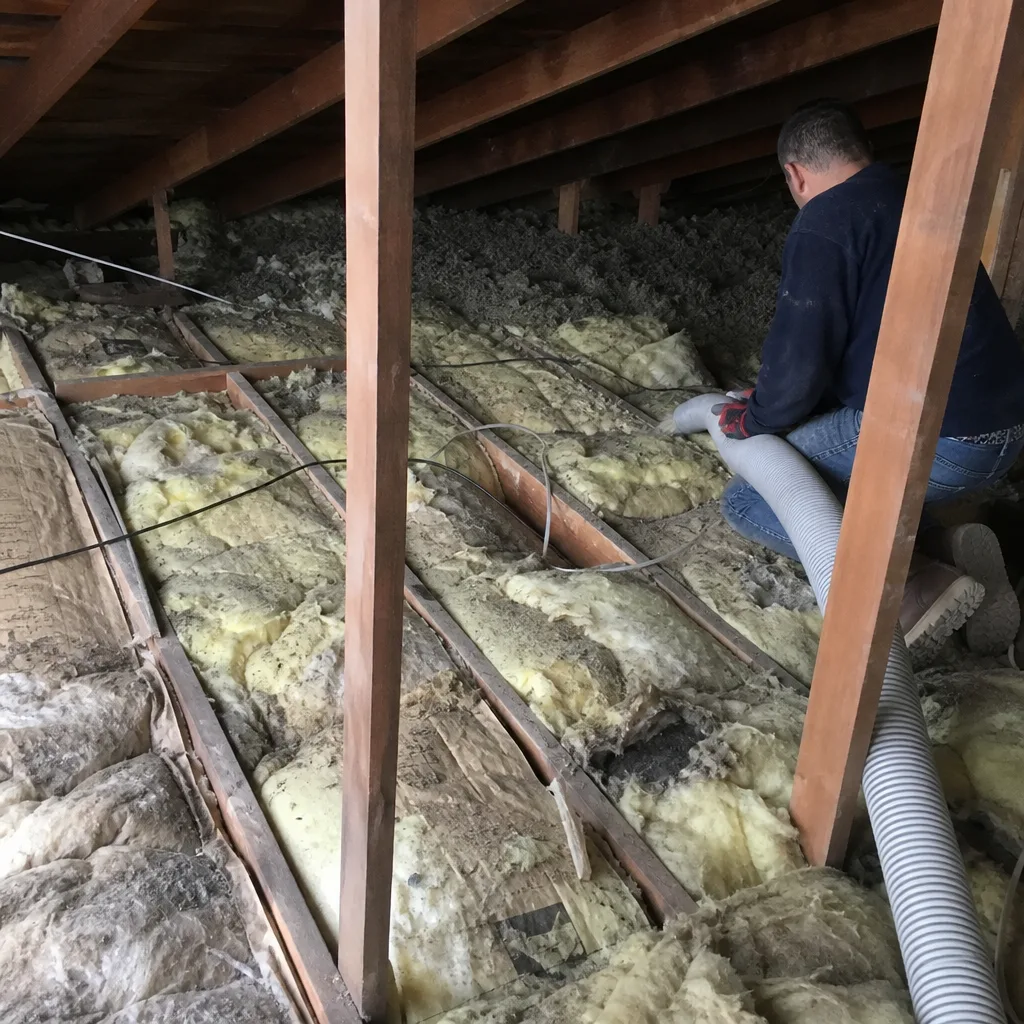 Before
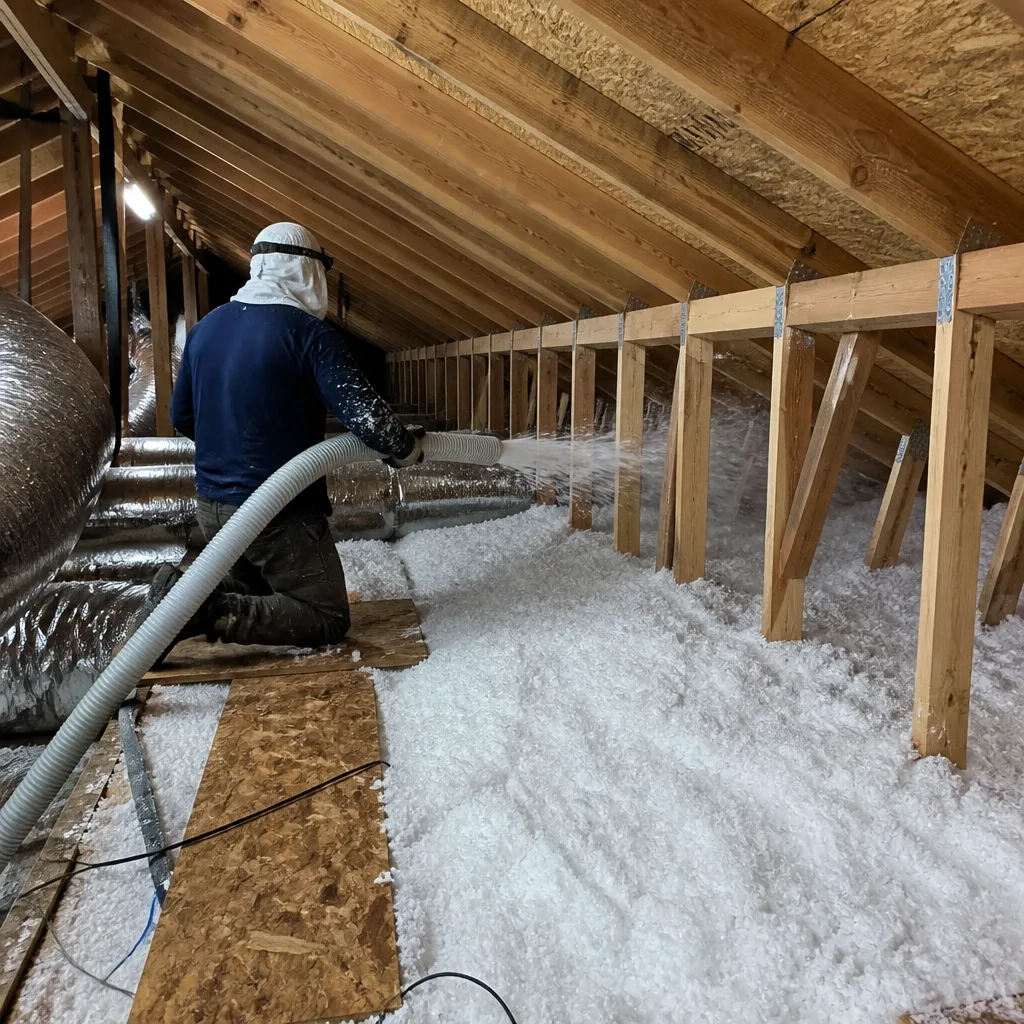 After
AfterOctober-November: The Attic Storage Season and the Damage It Causes
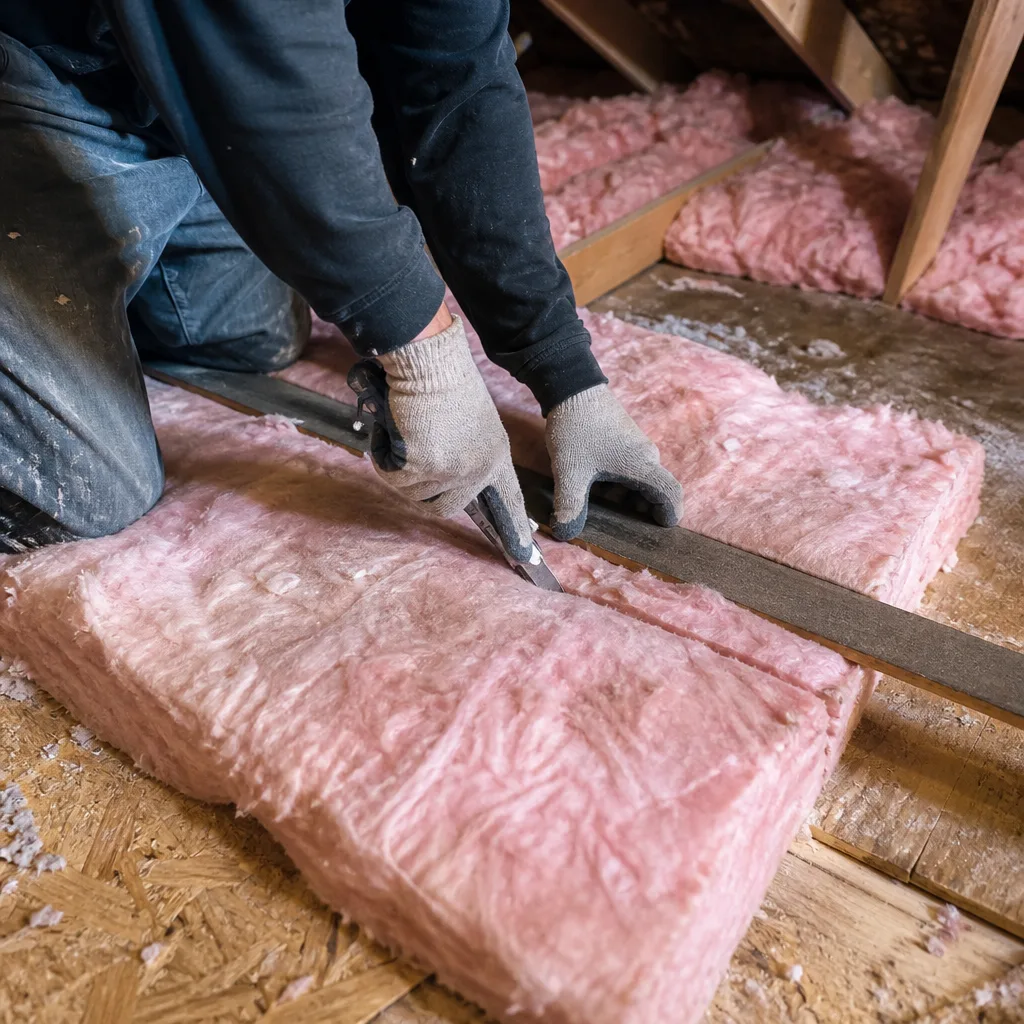
Tustin’s October days still hit the low 80s, but nighttime temperatures drop into the upper 50s. That’s the signal for homeowners to pull holiday decorations, winter clothing, and stored furniture from garages and closets into the attic. Every storage trip across an attic floor displaces blown-in insulation. We’ve measured the damage: a single trip that compresses or moves 40 square feet of loose-fill fiberglass from R-38 to R-19 - common when someone boards a path or drags a box - costs approximately 1,200 to 1,800 BTU per hour in heating season heat loss, assuming Tustin’s typical 35°F winter design temperature differential. See our Attic Insulation Maintenance Checklist for Tustin Homeowners for a full storage-season protocol.
Here’s the math in practical terms. A 1,600 square foot Tustin home with intact R-38 attic insulation loses roughly 4,800 BTU per hour through the ceiling on a 35-degree night. Displace 10 percent of that insulation to R-19, and the loss jumps to about 6,600 BTU per hour. Your furnace runs longer to cover the gap. Over a typical Tustin heating season of 800 to 1,000 degree days, that single storage path can add 80 to 120 therms of gas consumption.
The damage isn’t always visible from the attic hatch. Compressed insulation looks flat; displaced insulation creates thin spots near the eaves where it’s hardest to spot from above. We document this on every Attic Insulation in Tustin job with photos taken from the attic center, the eaves, and directly above the hatch.
What to do in October and November:
- Walk the attic floor on a plywood storage platform, never directly on joists or insulation. Platforms distribute load and prevent compression.
- Inspect the attic hatch seal before the first storage trip. A cracked or missing weatherstrip lets conditioned air escape year-round, but the stack effect is strongest in heating season when warm air rises fastest.
- Photograph insulation depth at three points - center, north eave, south eave - before and after storage season. Compare depths in January.
- If you board a storage platform, build it above the insulation on raised framing so the blown-in material maintains full depth beneath.
We see the worst displacement in Tustin’s older neighborhoods - Old Town Tustin, Lemon Heights areas with pre-1980 homes where attics were originally insulated with thin batts and later topped with blown-in. The original batts compress under any load, and the blown-in migrates away from traffic paths over years of storage use.
December-January: The Furnace Restart Check
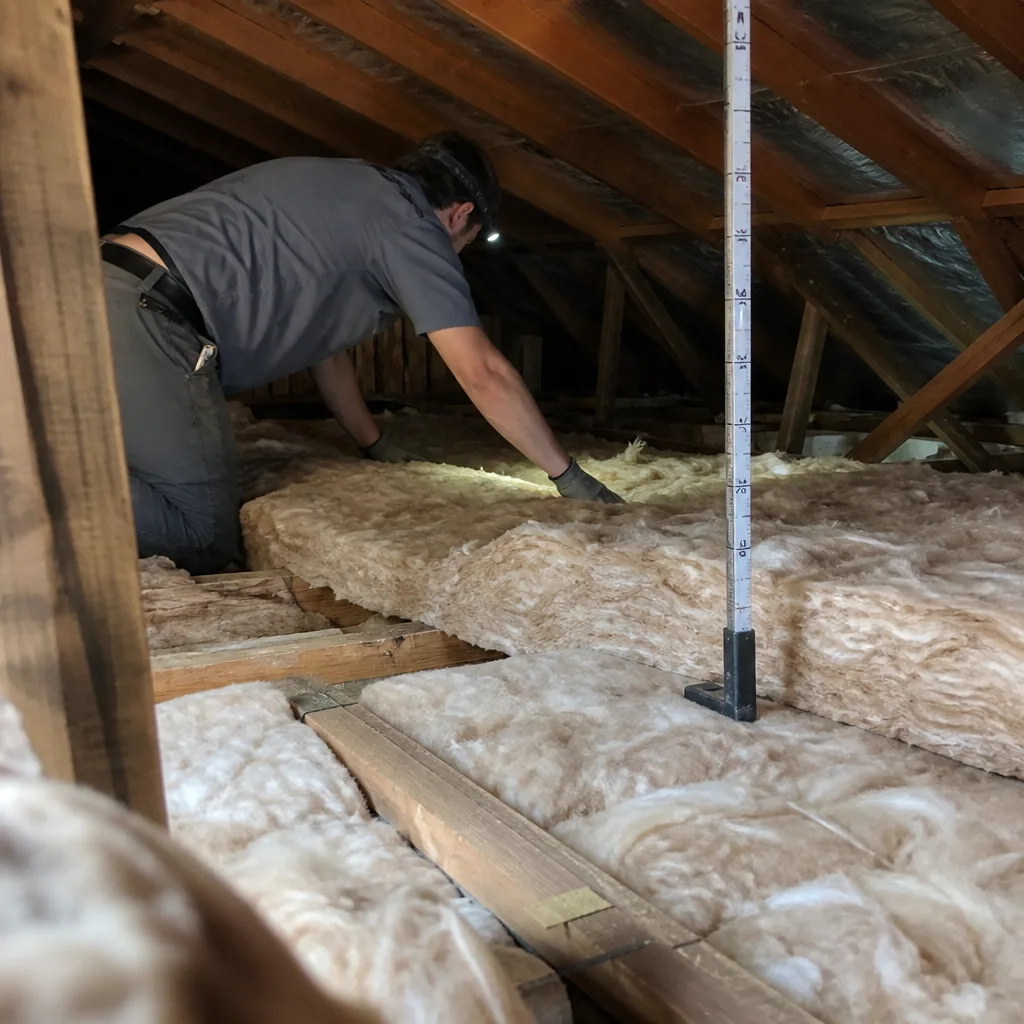
Tustin’s heating season is short but sharp. January nights drop to the low 40s, and furnaces that sat idle since March restart with accumulated problems. Three insulation-adjacent failures inflate heating bills from day one, and all three are visible to a homeowner with a flashlight and ten minutes in the attic or crawl space.
Filter bypass air: A poorly seated return air filter, or a filter cabinet with a missing cover, pulls unconditioned air from the attic or crawl space directly into the furnace. The system heats that air, but it’s air that never passed through the living space. We’ve found return plenums in Tustin homes drawing 15 to 20 percent of their volume from attic leaks - the homeowner pays to heat 1,200 square feet of attic air that immediately escapes through ceiling penetrations.
Disconnected flex duct: Flex duct in unconditioned attics degrades from heat cycling. A fully separated duct blows heated air into the attic, while the register in the room draws replacement air through walls and gaps. The furnace runs continuously; the room stays cold. In January 2023, we documented a Tustin home in the Columbus Grove neighborhood where a single disconnected 8-inch flex duct added 340 therms to a two-month heating bill.
Missing attic hatch insulation panel: The attic hatch is the largest single uninsulated surface in most Tustin homes. A 2×3 foot hatch with no insulation panel loses as much heat as 15 to 20 square feet of properly insulated ceiling. Add a failed perimeter seal, and the hatch becomes a chimney for warm air.
The check takes 20 minutes. Start at the furnace: filter seated, cabinet sealed, return plenum intact. Move to the attic: trace each flex duct from trunk to register, feeling for separation at collars. Finish at the hatch: lift it, check for an insulation panel on the back, replace the weatherstrip if it’s cracked or compressed. Document what you find with photos - the same documentation we provide on every job under our Haven Standard.
If your January gas bill jumps 30 percent or more from December, one of these three items is the likely cause. The fix is usually mechanical, not a full insulation replacement, but the energy loss is real and immediate.
February-March: The One Window for Attic Air Sealing
February and March are the only practical months for spray foam top-plate work in Tustin attics. Top plates - the horizontal framing member where wall studs meet the ceiling - are the single largest source of air leakage in most homes built before 2010. Sealing them with two-component polyurethane spray foam (we use Icynene and Demilec products depending on the application) requires attic temperatures between 60°F and 90°F for proper substrate adhesion and foam curing.
By April, Tustin attic temperatures exceed 100°F on sunny days. Two-component foam applied above 90°F can skin too quickly, trapping solvents and creating shrinkage cracks that defeat the seal. By October, the window has passed - homeowners need heating, and crews can’t ventilate an attic for the 24-hour cure period without exposing the home to cold air. February and March are the overlap: mild attic temperatures, low heating demand, and the last chance to seal before seven months of cooling load begin.
What top-plate sealing involves:
- Remove existing insulation from perimeter walls to expose the top plate.
- Vacuum and dry the substrate - foam won’t adhere to dusty or damp wood.
- Apply 2 to 3 inches of closed-cell spray foam across the full top plate width, extending 2 inches down each stud bay.
- Reinstall insulation to full depth, verifying no gaps at the wall-ceiling intersection.
The performance change is measurable. A typical Tustin home built in the 1970s or 1980s tests at 3,500 to 4,500 CFM50 on a blower-door test - a pressurization reading that shows, in one number, how much air the building envelope is losing. After top-plate sealing and general attic air sealing, that figure drops to 2,000 to 2,800 CFM50. We publish before-and-after numbers on every applicable job so homeowners can verify the result.
This is also the right window for Spray Foam Insulation in Tustin in open attic applications where the roof deck itself is being insulated rather than the floor. The same temperature constraints apply, and the same performance documentation follows.
April-May: Pre-Cooling Load Verification
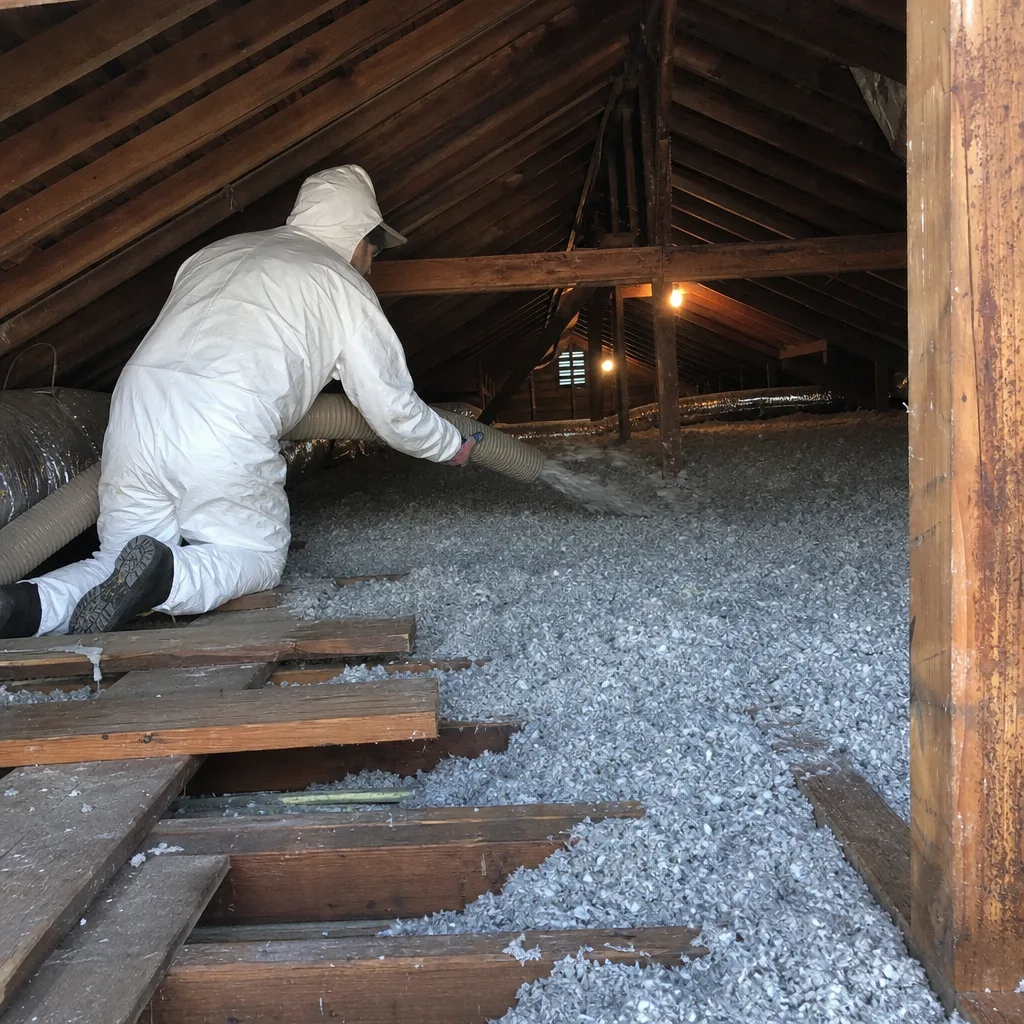
By mid-April, Tustin’s cooling season has begun in practice if not in calendar. Attic temperatures reach 120°F on clear days. This is the moment to verify that your insulation and air sealing from February and March are performing before the heavy load arrives.
The verification checklist:
- Attic insulation depth matches your January photos - no displacement from spring cleaning storage trips.
- Attic hatch seal is intact after heating season use.
- No new roof leaks - April is Tustin’s last reliable rain window, and wet insulation loses 40 to 60 percent of its R-value until fully dried.
- Exhaust fan ducts terminate at roof jacks, not into the attic - a common finding in Tustin’s 1990s-era homes where bathroom fans were vented into insulation.
We recommend a simple thermal check: on a 90°F afternoon, place a thermometer on your ceiling register and compare it to the thermostat setting. A supply register blowing air more than 15°F below thermostat setpoint indicates duct losses in the attic, often from unsealed connections or insufficient duct insulation. The fix is usually duct sealing and wrapping, not a full system replacement.
April is also when we schedule the most Topside Attic Insulation Tustin home energy audits. The audit includes blower-door testing, thermal imaging, and a written scope with flat pricing - Haven Standard Clause 1, always. The timing lets homeowners approve work in May for completion before June peak loads.
June-July: Reading Your Energy Bill for Insulation Performance
Late June is when Tustin homeowners call about high bills. The insulation condition that caused those bills, though, was set in motion months earlier. Your June energy bill contains the data to catch degradation before it compounds through July, August, and September.
The metric: kWh per cooling degree day (CDD).
Cooling degree days measure how much cooling load the weather imposed. One CDD is one degree above 65°F for one day. A 90°F day in Tustin generates 25 CDD. Your June bill shows total cooling kWh; divide by CDDs for the billing period to get your home’s efficiency figure.
Typical Tustin performance ranges:
- Well-sealed, well-insulated home: 0.8 to 1.2 kWh per CDD
- Average home with intact but not optimized insulation: 1.3 to 1.8 kWh per CDD
- Home with degraded attic insulation or significant air leakage: 1.9 to 2.5 kWh per CDD
Track this figure year over year, not month to month. June 2024 versus June 2023, same thermostat settings. A 20 percent increase means something changed: insulation displacement, duct separation, or equipment degradation. The attic is the first place to check.
We’ve logged this data across thousands of Tustin homes. The pattern is consistent: homes with sealed top plates, intact R-38 or greater attic insulation, and sealed ductwork cluster at the low end of the range. Homes with compressed or displaced insulation, unsealed can lights, and attic duct leaks cluster high. The gap is 400 to 800 kWh in a typical June - $80 to $160 at current SCE rates, but the real cost is the compounding through September.
If your kWh/CDD jumps year over year, inspect the attic before calling an HVAC contractor for equipment service. The problem is often envelope, not mechanical.
August-September: Late-Summer Humidity and Attic Moisture Events
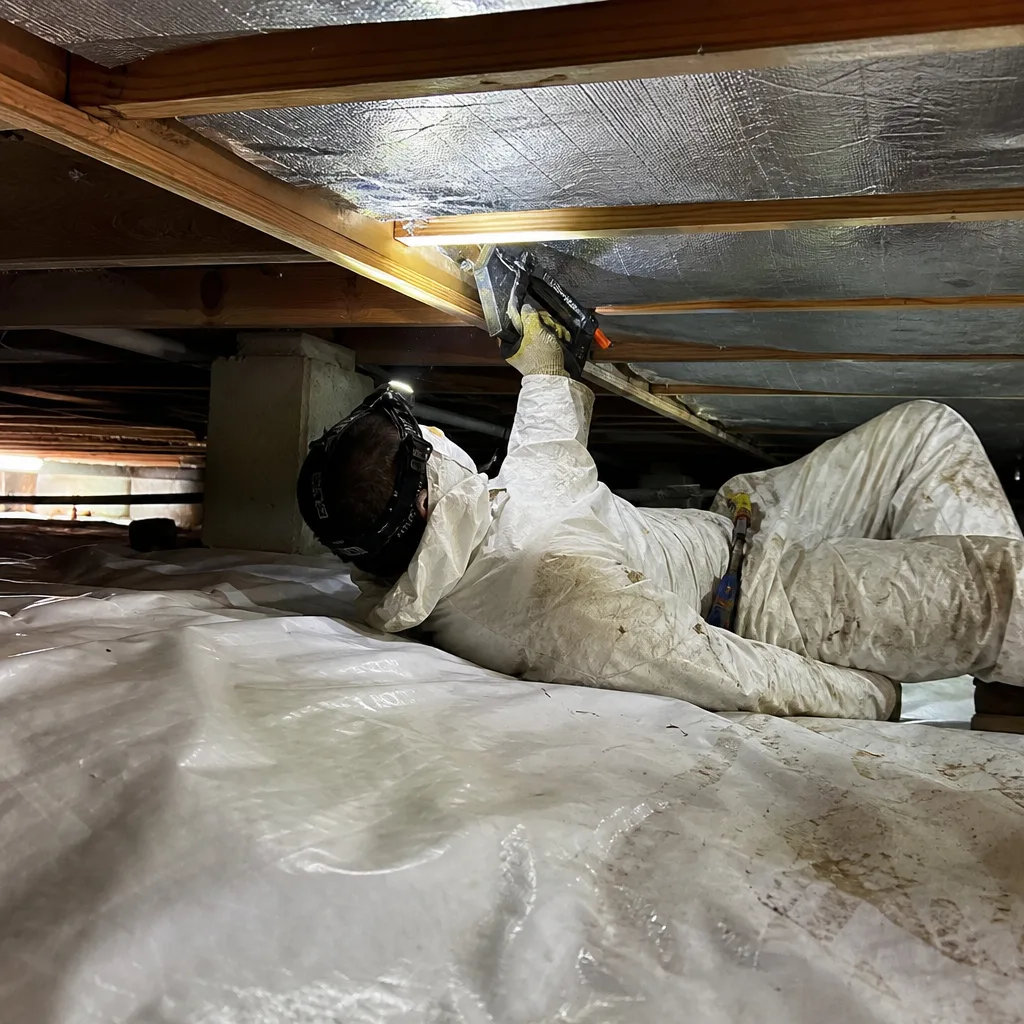
Tustin’s August and September bring brief humidity spikes - not Gulf Coast humidity, but enough to matter in attics. When outside dew points rise into the low 60s for 48 to 72 hours, attic air can reach condensation conditions against cooler ductwork or north-facing roof sheathing. What happens to your insulation depends on the material and the duration.
Fiberglass batt facing: Kraft paper vapor retarders - the brown paper backing on batt insulation - absorb brief moisture without damage if they can dry within 24 to 48 hours. Prolonged exposure, or repeated wet-dry cycles, causes facing delamination and mold staining. The insulation itself is unaffected; the facing is the failure point. We see this most in Tustin homes with bathroom vents discharging into attic space, where localized humidity combines with seasonal spikes.
Blown-in fiberglass and cellulose: Neither material is damaged by brief moisture if the attic ventilation is adequate. Cellulose - we use GreenFiber in some applications - contains borate fire retardants that also resist mold. The risk is compaction: wet cellulose that doesn’t dry quickly can settle, reducing depth and R-value. This is rare in Tustin’s climate but worth monitoring after unusual weather.
Spray foam: Closed-cell spray foam is impermeable to moisture and unaffected by humidity events. Open-cell foam - we use Icynene open-cell in some roof deck applications - is vapor-permeable and can absorb some moisture, but the substrate wood dries through it. The foam itself doesn’t degrade.
When to act: A single August humidity spike with no visible insulation staining requires no action. Repeated spikes with kraft paper staining, or any musty odor from attic hatches or ceiling registers, warrant inspection. The source is usually an exhaust vent termination problem or inadequate attic ventilation, not the insulation itself.
Crawl Space Encapsulation & Vapor Barrier in Tustin addresses a different moisture path - ground vapor rising through crawl space floors - but the August humidity spike can exacerbate crawl space conditions if ventilation is poorly balanced. We assess both spaces on whole-home energy audits.
Common Mistakes to Avoid
- Blowing new insulation over unsealed air leaks. This is the most common error we correct in Tustin. Insulation does not stop air movement; it filters it. Fiberglass over a leaky top plate becomes a dirty gray stripe that marks the leak path but doesn’t stop it. Seal first, insulate second - in that order, always.
- Storing directly on attic insulation without platforms. Every box, every board, every artificial Christmas tree compresses or displaces R-value. The 40 square foot displacement we measured in October? It happens one storage trip at a time, and homeowners rarely notice until the bill arrives.
- Ignoring the attic hatch. The hatch is the largest uninsulated surface and the most frequently disturbed seal in the attic. A $8 weatherstrip replacement in November prevents a season of heat loss. We check hatch condition on every visit and document it in the photo record.
- Scheduling spray foam in summer. The substrate is too hot, the cure is compromised, and the crew safety risk is real. February and March are the window. We’ve refused summer attic foam jobs - the Haven Standard includes “do it right or don’t do it.”
- Comparing June bills to May bills instead of June to June. May has minimal cooling load; June has significant load. The comparison that reveals insulation degradation is same-month, year-over-year, using kWh per cooling degree day to normalize for weather.
- Replacing insulation without identifying the moisture source. Wet insulation is a symptom. The cause is roof leak, exhaust vent misdirection, or inadequate ventilation. Replace insulation without fixing the cause, and you’ll replace it again.
- Skipping the February-March air sealing window. Tustin homeowners who miss this window often wait until June bills spike, then face higher prices and longer scheduling during peak demand. The proactive approach saves money and stress.
When to Call a Professional
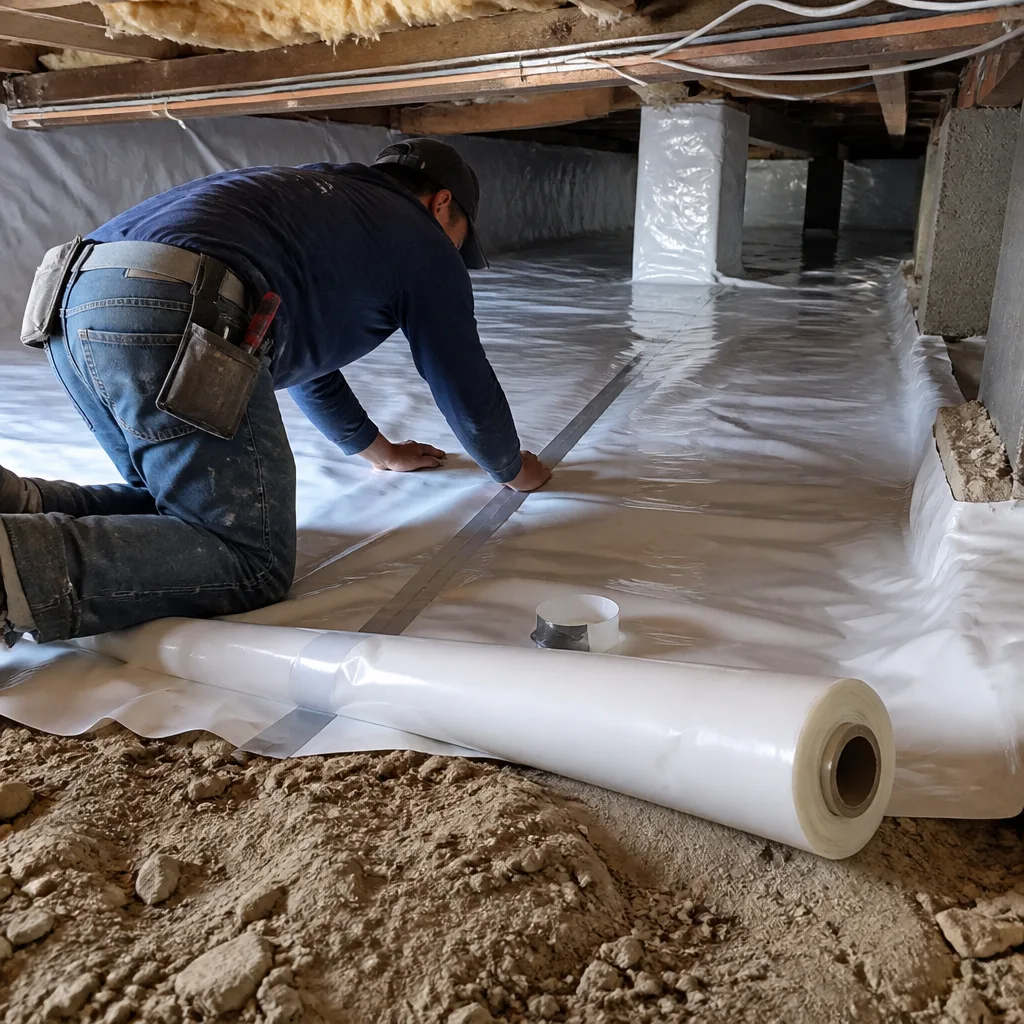
Some insulation conditions are visible and fixable by a homeowner with basic tools. Others require equipment, training, and safety protocols. Call a professional when you find: wet or mold-stained insulation of any type; a disconnected flex duct you can’t safely reach or reconnect; any work involving spray foam application; or a blower-door figure above 4,000 CFM50 if you’ve had prior air sealing work. Also call when your kWh/CDD metric rises 20 percent year over year and your own attic inspection reveals no obvious cause - the leak path may be in wall cavities or crawl spaces that require specialized detection.
Topside Attic Insulation Tustin offers free estimates in Tustin. Every estimate includes a written price before any work starts, a documented photo record, and on applicable jobs, before-and-after blower-door numbers. Call (657) 286-7673 to schedule.
Frequently Asked Questions
Most attic insulation maintenance and air sealing jobs in Tustin run between $1,800 and $4,500, depending on attic square footage, existing insulation condition, and whether spray foam top-plate work is included. A basic blown-in top-off with air sealing of accessible penetrations typically falls at the lower end; full removal, air sealing, and replacement with conditioned attic spray foam falls at the higher end. We provide a written price before any work starts - no exceptions. Call (657) 286-7673 for an exact quote; estimates are free.
Homeowners can safely add loose-fill fiberglass or batt insulation over existing material in accessible attics with stable flooring and no electrical hazards. We do not recommend DIY spray foam application - the two-component chemicals require respiratory protection, temperature-controlled application, and proper cure ventilation. Our DIY vs Professional Insulation guide breaks down where homeowner work makes sense and where it doesn’t. Also, adding insulation over unsealed air leaks, which is what most DIY jobs do, wastes material and perpetuates the underlying problem. A professional blower-door test identifies leak paths that aren’t visible from the attic floor.
Inspect attic insulation annually in January, after storage season and before cooling loads peak. Photograph insulation depth at three points and compare to prior years. Schedule a professional inspection with blower-door testing every 3 to 5 years, or immediately after any roof leak, pest intrusion, or energy bill spike exceeding 20 percent year over year.
No. Tustin’s heating season is short but the temperature differential is sharp - 35°F outside, 70°F inside is a 35-degree gap that drives significant heat loss through an unsealed attic. More importantly, Tustin’s seven-month cooling season means attic insulation performance affects the majority of your annual energy spend. A home with degraded attic insulation and unsealed top plates pays cooling penalties from April through October, not just on January heating bills.
For attic floors in Tustin’s climate, loose-fill fiberglass at R-38 to R-49 depth performs well with proper air sealing. For conditioned attics or roof deck applications, open-cell spray foam provides air sealing and insulation in one step. For homeowners prioritizing recycled content, GreenFiber cellulose performs comparably to fiberglass when installed to equivalent R-value with proper density. We source from multiple manufacturers - CertainTeed, Owens Corning, Johns Manville, Knauf, Rockwool, Icynene, Demilec, and GreenFiber - with no proprietary lock-in, so the recommendation matches the application rather than inventory.
Check for continuous soffit intake vents and ridge or gable exhaust vents with no blockage from insulation or storage items. In Tustin, a properly ventilated attic should show no persistent moisture staining on roof sheathing, no mold growth, and no rusted nail heads. Brief August humidity spikes with quick drying are normal; any moisture that persists beyond 48 hours indicates inadequate ventilation or an active moisture source requiring correction.
The Bottom Line
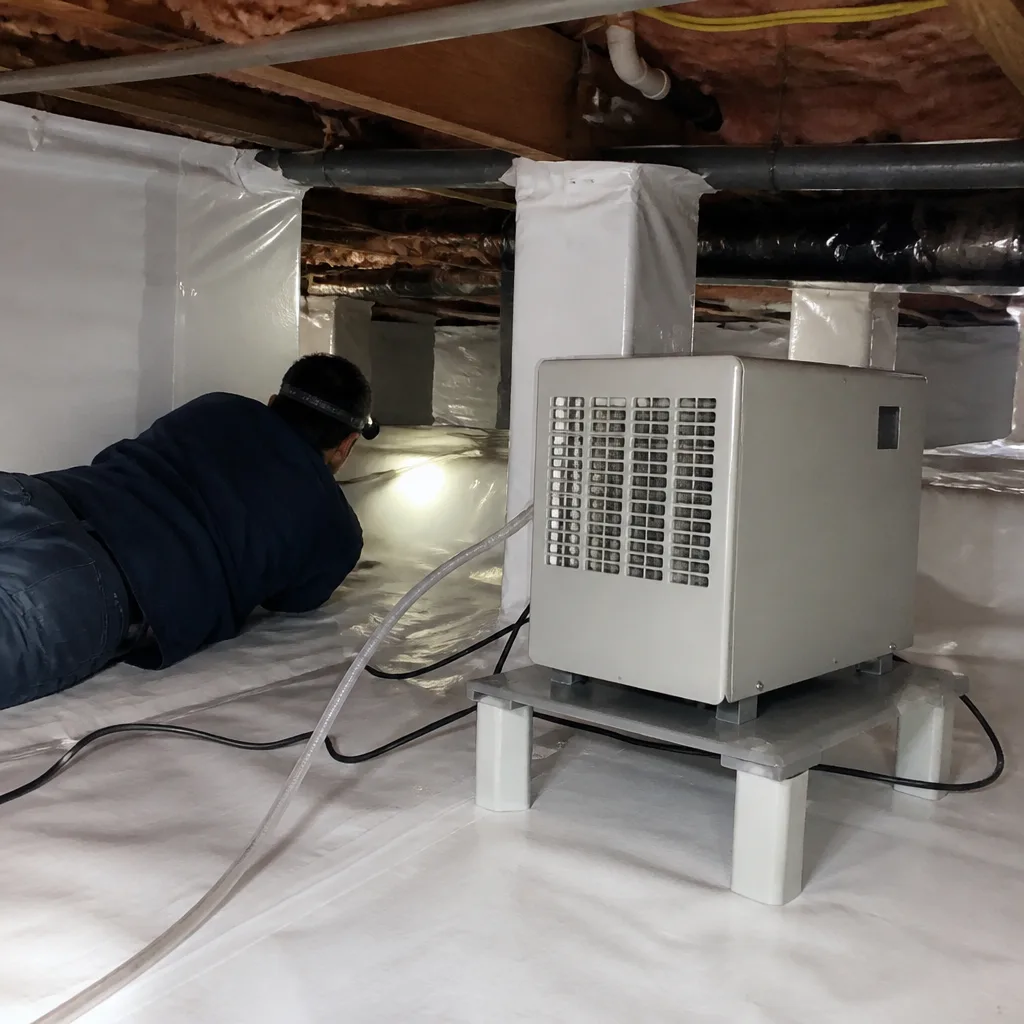
Tustin’s lopsided climate calendar - seven months of cooling, a brief mild period, a short heating spike - creates a predictable insulation maintenance schedule that attentive homeowners can follow. Seal attic air leaks in February and March. Protect insulation from storage damage in October and November. Verify performance with kWh-per-degree-day tracking in June. Monitor for moisture after August humidity spikes. The common thread: anticipation beats reaction, and documentation beats memory. Every job we complete includes a written price, a documented photo record, and when applicable, before-and-after blower-door numbers so the performance change is verifiable, not promised.
Ready to schedule your seasonal insulation inspection? Call Topside Attic Insulation Tustin at (657) 286-7673 for a free estimate. We’ll provide a written price before any work starts, and you’ll receive a documented photo record when the crew leaves.
Written by Wes Okafor, Owner at Topside Attic Insulation Tustin, serving Tustin since 2016.