
Last updated September 24, 2026
Insulation Warning Signs: A Tustin Homeowner’s Reference Guide
Here’s something that surprises most Tustin homeowners: the insulation in your attic can look perfectly intact from the access hatch while performing at less than 40% of its original R-value. We’ve been in thousands of Orange County attics since 2016, and the pattern is consistent. The homeowners who catch insulation failure early don’t rely on visual inspection. They notice how their house behaves - the recovery time after AC cycles, the sound of air moving through walls, the specific smell that follows a Santa Ana wind event. This guide - along with our complete guide to insulation in Tustin - teaches you to read those leading indicators before they show up on your SCE bill. Every method here requires no special equipment beyond a basic infrared thermometer and your own attention.
Quick Answer
Failing insulation in a Tustin home reveals itself through delayed thermal recovery (rooms staying warm 45+ minutes after AC shuts off), audible air movement at interior door frames during windy days, and unexplained kWh spikes in shoulder months when HVAC runtime should be lowest. These warning signs - detailed further in our Attic Insulation Maintenance Checklist for Tustin Homeowners - typically appear 12-18 months before energy costs reflect the problem, and most can be detected with simple homeowner observation.
Table of Contents
- The Thermal Recovery Test: Detecting Heat Radiation from Your Ceiling
- Three Acoustic Warning Signs Most Homeowners Misattribute to HVAC
- Pest Damage Progression: Species-Specific Patterns in Attic Insulation
- Utility Bill Pattern Analysis: Isolating the Insulation Variable
- Interior Condensation on Exterior Walls: A Tustin-Specific Winter Warning
- Structural and Sensory Cues That Precede Thermal Failure
- Common Mistakes to Avoid
- When to Call a Professional
- Frequently Asked Questions
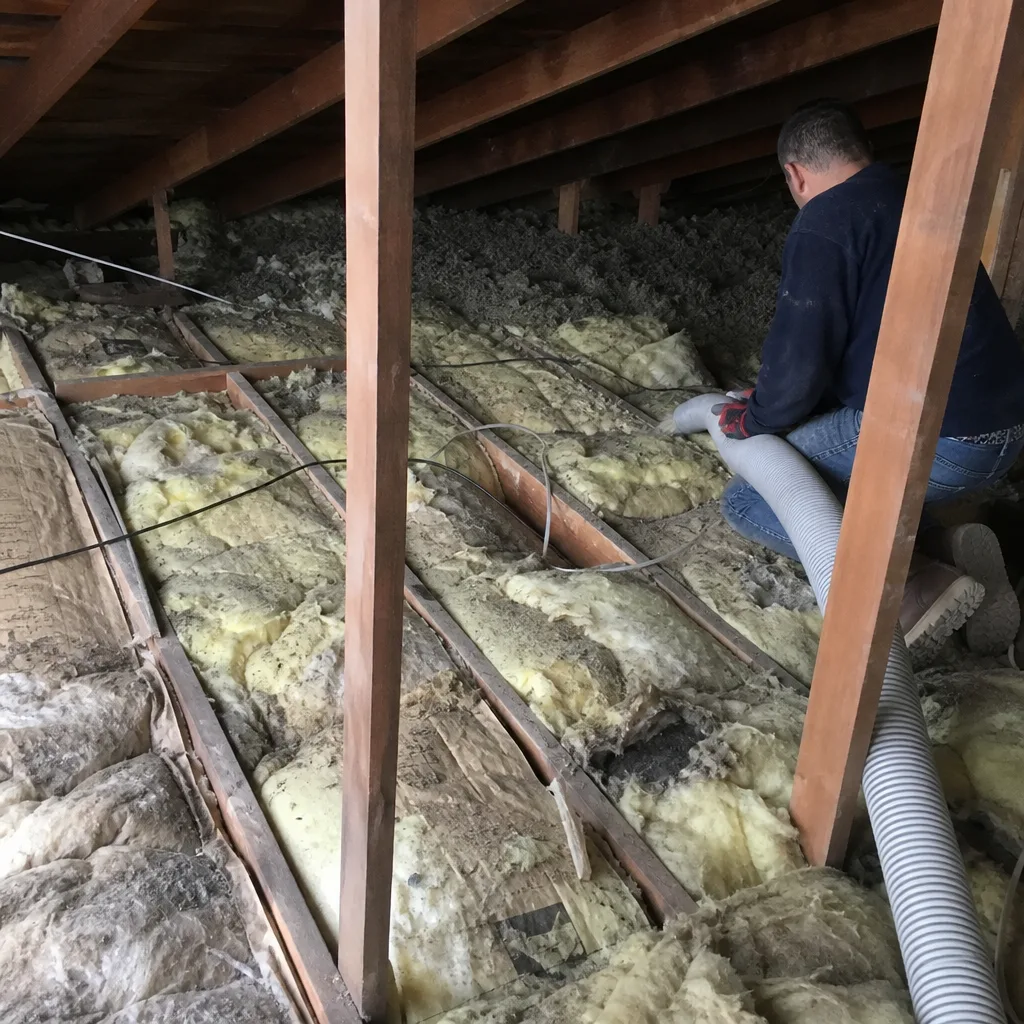 Before
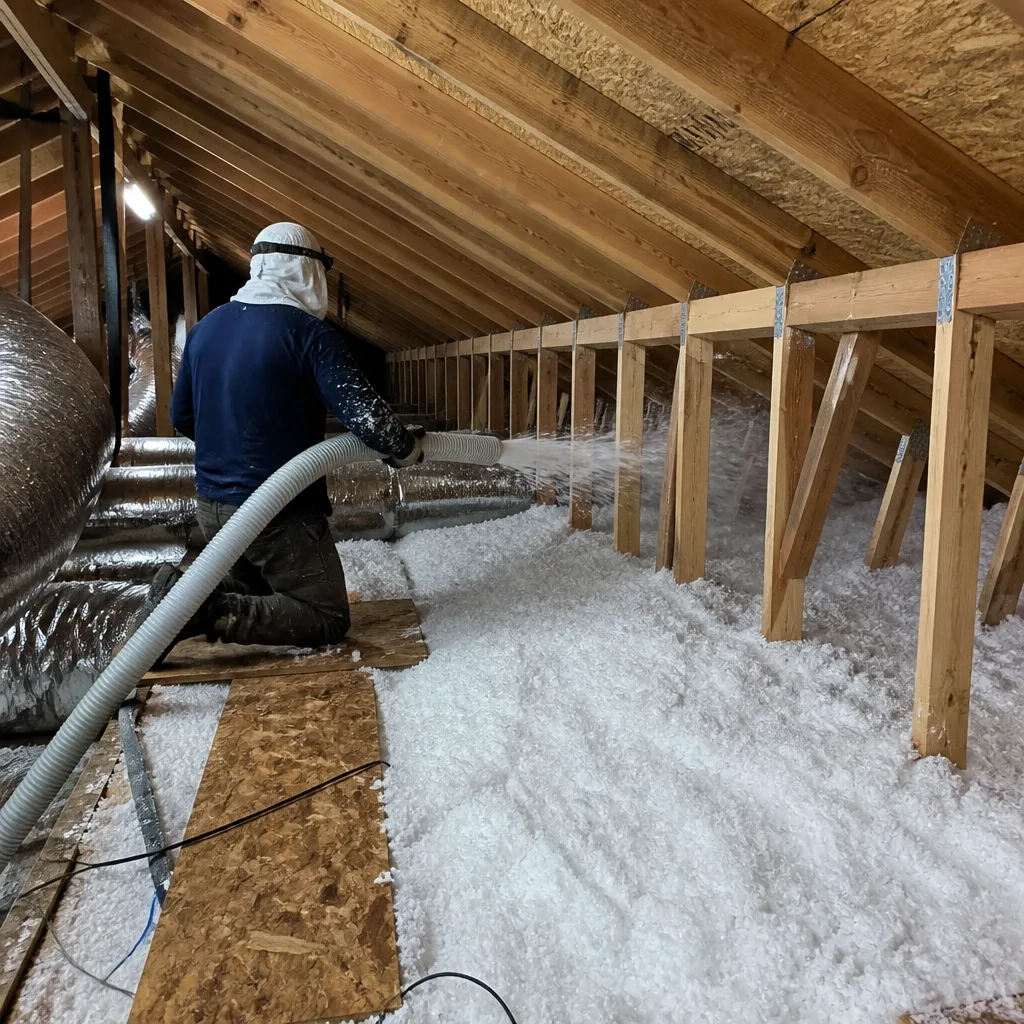 After
AfterThe Thermal Recovery Test: Detecting Heat Radiation from Your Ceiling
The most reliable early warning sign of failing attic insulation is not visible. It’s measurable with a $12 infrared thermometer and a simple evening protocol.
Here’s how heat moves in a Tustin home with compromised attic insulation. During the day, your roof deck absorbs solar radiation and transfers it to the attic air. If insulation is performing correctly, that heat stays in the attic and vents out through ridge or gable vents. If insulation has settled, compressed, or been displaced, the ceiling drywall absorbs and stores that heat. After your AC shuts off for the night, that stored heat radiates downward into your living space. The result: your upstairs hallway stays uncomfortably warm long after the air conditioning has stopped running.
We call this thermal recovery time. In a well-insulated Tustin home, a second-story hallway should drop from 76°F to below 72°F within 20-25 minutes of the AC cycling off on a typical August evening. When insulation performance degrades, that recovery stretches to 45 minutes or longer. The ceiling itself becomes a secondary heat source.
How to Run the Thermal Recovery Test
- Choose a clear August evening when the daytime high reached at least 88°F. This ensures your roof deck has absorbed significant solar load.
- At 9:45 PM, verify your upstairs hallway thermostat reads 76°F or below with the AC actively running.
- At 10:00 PM, shut off your AC at the thermostat. Do not open windows or doors.
- Using an IR thermometer, measure the ceiling surface temperature at three points: center of hallway, near a can light, and at the wall-ceiling joint. Record these.
- Measure the hallway air temperature at chest height every 10 minutes for one hour.
- At 10:20 PM, re-measure the same three ceiling points.
What the Numbers Mean
- Passing result: Ceiling surface temperature drops 4-6°F within 20 minutes; hallway air reaches 72°F or below within 25 minutes.
- Failing result: Ceiling surface temperature drops less than 2°F in 20 minutes; hallway air stays above 74°F after 45 minutes. This indicates your ceiling is radiating stored attic heat faster than the room can shed it.
- Critical failure: Ceiling temperature at the can light location exceeds wall-ceiling joint temperature by more than 5°F. This signals insulation displacement or compression directly above the fixture, a common issue in Tustin homes built 1985-2005 where original batt insulation was not properly cut around non-IC-rated housings.
In our work across Tustin neighborhoods from Tustin Ranch to Old Town, we’ve documented thermal recovery failures in homes with attic insulation that appeared visually adequate. The IR thermometer reveals what the eye cannot: heat flow patterns that trace directly to insulation gaps, compression from storage traffic, or rodent displacement.
When we perform attic insulation in Tustin, we begin with a blower-door test - a pressurization reading that shows, in one number, how much air your building envelope is losing. On jobs where the homeowner has already run the thermal recovery test and documented failing results, we can correlate their ceiling temperature data with our CFM50 readings to pinpoint exactly where the envelope is underperforming. Every applicable job closes with before-and-after blower-door numbers so you can verify the air-sealing result in writing.
Three Acoustic Warning Signs Most Homeowners Misattribute to HVAC
Your ears can detect insulation failure before your thermostat does. The mechanism is straightforward: when insulation no longer blocks air movement between conditioned and unconditioned spaces, pressure differentials created by wind or HVAC operation force air through gaps. That air movement produces sound. The specific location and character of that sound tells you where the envelope has failed.
1. Hollow Sound at Drywall Joints Above Can Lights
Stand directly beneath a can light in an upstairs room during active AC operation. Knock on the ceiling with your knuckles. In a properly sealed and insulated assembly, you’ll hear a dull thud - the mass of drywall, insulation, and sealed airspace above it. When insulation has settled away from the fixture or been removed by previous electrical work, you’ll hear a hollow, drum-like resonance.
The cause: a gap between the insulation and the ceiling drywall, creating an uninsulated air chamber. During cooling, this chamber cools rapidly. During heating, it heats. The thermal cycling stresses the drywall joint tape, and eventually you’ll see the secondary sign: a faint shadow line or hairline crack radiating from the can light trim. In Tustin’s climate, where we cycle between heating and cooling modes across a typical January week, this thermal stress accelerates - one reason we published our Seasonal Insulation Care for Tustin: Year-Round Homeowner’s Guide.
2. Audible Air Rush at Interior Door Frames During Windy Days
Wait for a Santa Ana wind event - sustained winds above 15 mph from the northeast, common in Tustin from October through March. Close all windows and exterior doors. Stand at an interior door frame on your second floor and listen.
If you hear a faint whistle or rush of air at the door frame head or strike jamb, your attic insulation and air sealing have likely failed at the top plate - the horizontal framing member where your exterior wall meets the attic floor. Wind pressurizes your attic through ridge vent or gable vent openings, and that pressure forces air through gaps that proper insulation and sealing would block.
This is not an HVAC noise. Your ducts are not the source. The sound is uncontrolled infiltration, and it means conditioned air is escaping your living space continuously, not just when the blower operates.
3. HVAC Short-Cycling Caused by Uncontrolled Infiltration
Short-cycling - your AC or furnace running for less than 8-10 minutes, shutting off, then restarting within 5 minutes - is commonly diagnosed as an oversized system or faulty thermostat. In our experience across Tustin, it’s frequently caused by insulation and air-sealing failure.
Here’s the mechanism. When uncontrolled infiltration brings attic-temperature air into your conditioned space, your thermostat senses the temperature change quickly and calls for conditioning. The system runs, satisfies the thermostat, shuts off. Infiltration continues. The cycle repeats. The system never runs long enough to dehumidify properly or reach steady-state efficiency.
The acoustic signature is specific: you’ll hear your indoor unit start, run briefly, stop - and you’ll simultaneously feel a faint draft at outlets, switches, or baseboards on exterior walls. The draft and the short-cycling are the same problem: your building envelope is leaking.
At Topside Attic Insulation Tustin home, we seal first, then insulate - in that order. Air sealing of top plates, can lights, and penetrations is completed before any insulation is added. A blower-door test confirms the sealing result before insulation goes in. This sequencing matters because blowing new spray foam insulation in Tustin over an unsealed attic floor simply buries the leaks; it doesn’t stop them.
Pest Damage Progression: Species-Specific Patterns in Attic Insulation
Attic insulation in Tustin faces a specific set of pest pressures: tree squirrels (Sciurus niger), roof rats (Rattus rattus), and English house sparrows (Passer domesticus). Each species damages insulation in a distinct pattern, and each produces a characteristic smell sequence that tells you whether you’re dealing with active infestation or historic damage that has been resolved.
Squirrel Damage: Trenching and Nesting Pockets
Eastern fox squirrels, common in Tustin’s mature neighborhoods like Lemon Heights and Cowan Heights, access attics through gaps at fascia boards or uncapped vents. Their damage pattern is unmistakable: they trench through blown-in insulation to create travel paths, compressing material to 20-30% of its original loft. They then excavate circular nesting pockets, 8-12 inches in diameter, often near the warmest point in the attic - above a recessed light fixture or near a vent pipe.
The insulation in these pockets is not just displaced. It’s contaminated with urine and feces, and the oils from squirrel fur mat the fibers into clumps that cannot be fluffed back to performance. We’ve removed squirrel-damaged Knauf EcoBatt insulation that tested at R-11 where it was originally installed at R-38 - not because the material degraded, but because it was compressed and contaminated beyond function.
Roof Rat Damage: Tunnel Networks and Smear Marks
Roof rats, prevalent throughout Orange County, create a different pattern. They tunnel through insulation along joist bays, leaving smooth-walled runways with greasy smear marks on adjacent framing. Unlike squirrels, they rarely nest in the insulation itself; they prefer voids in walls or eaves. But their traffic compresses insulation uniformly along their routes, creating R-value dead zones that follow the geometry of your framing.
The smell sequence is diagnostic. Active roof rat infestation produces a sharp, ammonia-forward urine smell that intensifies in warm weather. Historic damage, after the animals have been excluded and the space ventilated, leaves a faint musty odor without ammonia sharpness. If you smell ammonia, the infestation is active or very recent.
Bird Damage: Focal Contamination and Down Contamination
House sparrows and, less commonly, starlings access attics through damaged soffit vents or gable vent screens. Their damage is highly focal: they nest in specific locations, often near the access hatch where warmth rises, and contaminate surrounding insulation with droppings that are acidic enough to degrade fiber insulation binders over time.
Bird nests also introduce down and feather material that intermixes with blown-in insulation, creating clumped areas with unpredictable thermal performance. The smell is distinct: a dry, dusty odor with notes of bird seed or nesting debris, different from the sharp ammonia of rodent urine.
What to Document Before Calling
If you suspect pest damage, note three things: the location of any attic access point stains or chew marks, the specific odor character (ammonia vs. musty vs. dusty), and whether the smell intensifies on hot days or remains constant. This information lets a professional assess whether you’re describing active infestation requiring pest control first, or damaged insulation ready for removal and replacement.
Our crawl space encapsulation and vapor barrier in Tustin service addresses the same principles at ground level: sealing entry points, removing contaminated material, and installing new insulation with documented performance. Every job includes a Documented Photo Record - photos of the damage, the removal, and the completed installation, delivered with your written scope and warranty.
Utility Bill Pattern Analysis: Isolating the Insulation Variable
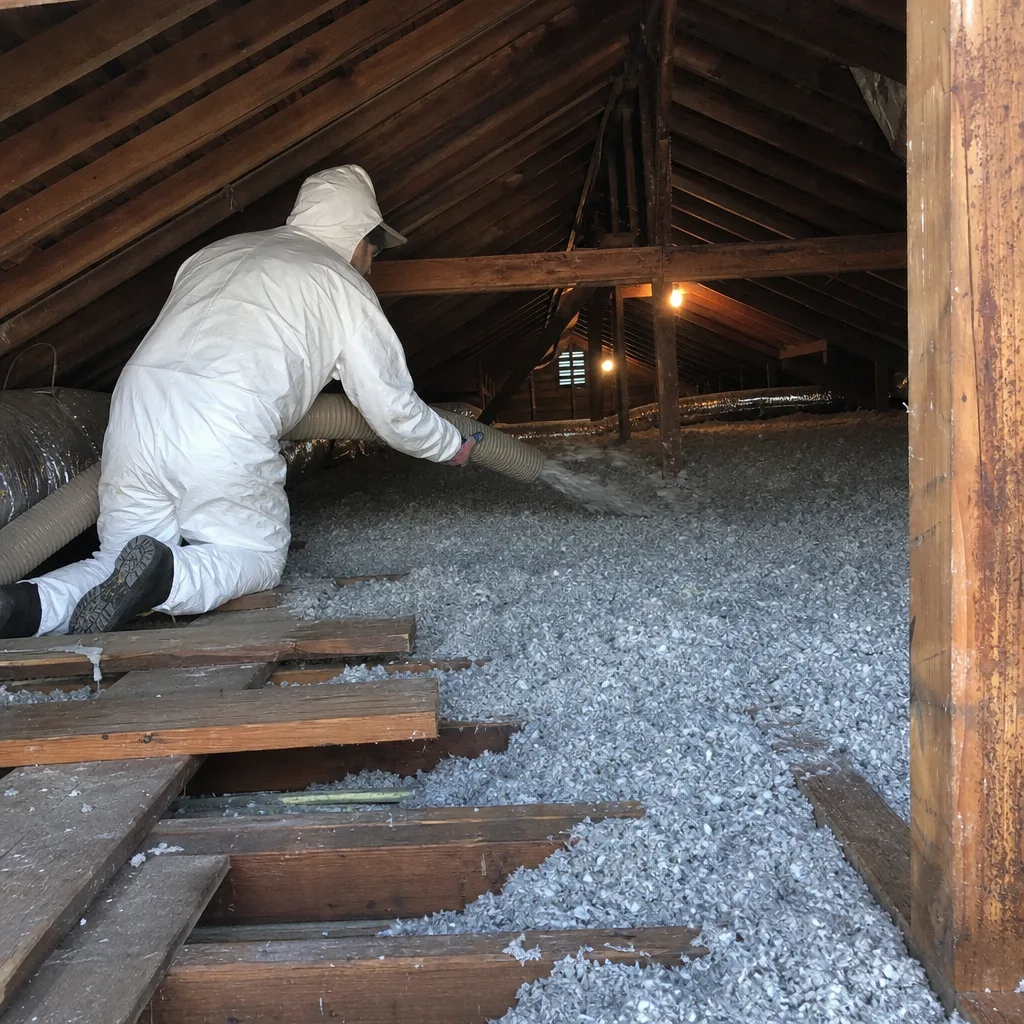
Your SCE bill contains more information than most homeowners extract from it. With a simple month-over-month comparison method, you can distinguish insulation failure from HVAC degradation, thermostat behavior changes, or rate plan effects.
The Shoulder Month Anomaly
The key insight: insulation failure shows up first in shoulder months - April-May and October-November in Tustin - when HVAC runtime should be lowest. If your home’s envelope is performing correctly, these months should show your lowest kWh usage of the year. When insulation fails, the home loses conditioned air faster than it should, and your system runs more than climate conditions justify.
Compare your April 2024 kWh to your April 2023 kWh. If usage increased 15% or more while the average temperature was similar (check NOAA data for Santa Ana station), and you haven’t added a major appliance or changed your rate plan, insulation degradation is the likely cause. HVAC degradation, by contrast, typically shows up as increased usage during peak summer months when the system struggles against high outdoor temperatures - not in mild weather when it should be resting.
How to Use SCE’s Usage Comparison Tool
- Log into your SCE account and navigate to “Energy Usage” > “Compare Bills.”
- Select “Same month, prior year” comparison. This controls for seasonal variation.
- Note the average daily temperature shown for each month. SCE sources this from nearby weather stations.
- Calculate your kWh per degree-day: divide monthly kWh by the number of cooling degree-days (CDD) for that month. CDD data is available from NOAA’s Climate Data Online for the Santa Ana station.
- Track this ratio over 24 months. A rising kWh/CDD ratio indicates your home requires more energy to maintain the same temperature differential - the definition of envelope performance degradation.
Isolating Insulation from Other Variables
| Pattern | Likely Cause | Confirming Check |
|---|---|---|
| Increased kWh in shoulder months only | Insulation/air sealing failure | Thermal recovery test; blower-door test |
| Increased kWh in peak summer only | HVAC capacity or efficiency loss | AC service check; refrigerant charge test |
| Increased kWh across all months proportionally | Rate plan change; added appliance; occupancy change | Audit recent changes; check rate schedule |
| Increased kWh with no temperature correlation | Thermostat location issue; duct leakage | Verify thermostat placement; visual duct inspection |
We’ve performed this analysis with Tustin homeowners during our home energy audits, and the pattern is remarkably consistent. Homes with original 1980s-1990s batt insulation that has settled or been disturbed show shoulder-month spikes of 20-40% before summer bills reflect the problem. Catching it at the shoulder-month stage means addressing insulation before peak summer rates multiply the cost.
Interior Condensation on Exterior Walls: A Tustin-Specific Winter Warning
Tustin’s climate produces a specific, brief warning window that most homeowners misinterpret. On the five coldest nights of a typical year - usually late December through mid-January, when overnight lows dip into the high 30s - condensation may appear on interior surfaces of exterior walls. Homeowners often call a plumber, suspecting a pipe leak inside the wall. The actual cause is usually insulation failure.
Why This Happens in Tustin Specifically
Our heating patterns differ from colder climates. Tustin homeowners typically run heat only overnight during brief cold snaps, not continuously. The wall cavity starts cold, warms briefly, then cools again. If cavity insulation has settled, compressed, or been removed during prior electrical or plumbing work, the interior drywall surface temperature drops below the dew point of the indoor air. Moisture condenses.
The condensation appears at specific locations: below windows where insulation was poorly installed during original construction, above baseboards where wall insulation has settled, and at electrical outlets on exterior walls where air leaks bypass the insulation. The pattern is geographic on the wall surface - not random like a plumbing leak - and it correlates with framing locations.
Distinguishing Insulation Condensation from Plumbing Issues
- Insulation condensation: Appears only on the coldest nights; follows wall framing lines; dries completely within 24 hours of temperature rise; no staining or drywall softening after repeated events; often visible at multiple outlets or baseboard locations on the same wall.
- Plumbing leak: Appears regardless of temperature; localized to a specific point; persists or worsens over days; produces staining, drywall softening, or paint bubbling; may have associated mold odor.
The Vapor Retarder Factor
Wall cavities in Tustin homes built before 2000 often include kraft-faced batt insulation - paper-faced fiberglass with an asphalt-impregnated vapor retarder. When this facing degrades or is torn during prior work, the vapor retarder function fails. Warm, moist indoor air reaches the cold exterior sheathing, condenses there, and the resulting moisture degrades the insulation from the exterior side inward. The interior sign is the condensation you see; the hidden damage is wet insulation and potential sheathing decay.
We’ve found this pattern particularly in Tustin’s older neighborhoods - Old Town, Laurelwood, and areas north of Irvine Boulevard with original 1960s-1970s construction. Wall insulation in these homes was often installed at minimal code levels and has settled significantly. Rockwool Comfortbatt, which we use for wall insulation retrofits, maintains its dimensional stability and R-value when wet and dries without degradation - a significant advantage in these applications.
Structural and Sensory Cues That Precede Thermal Failure
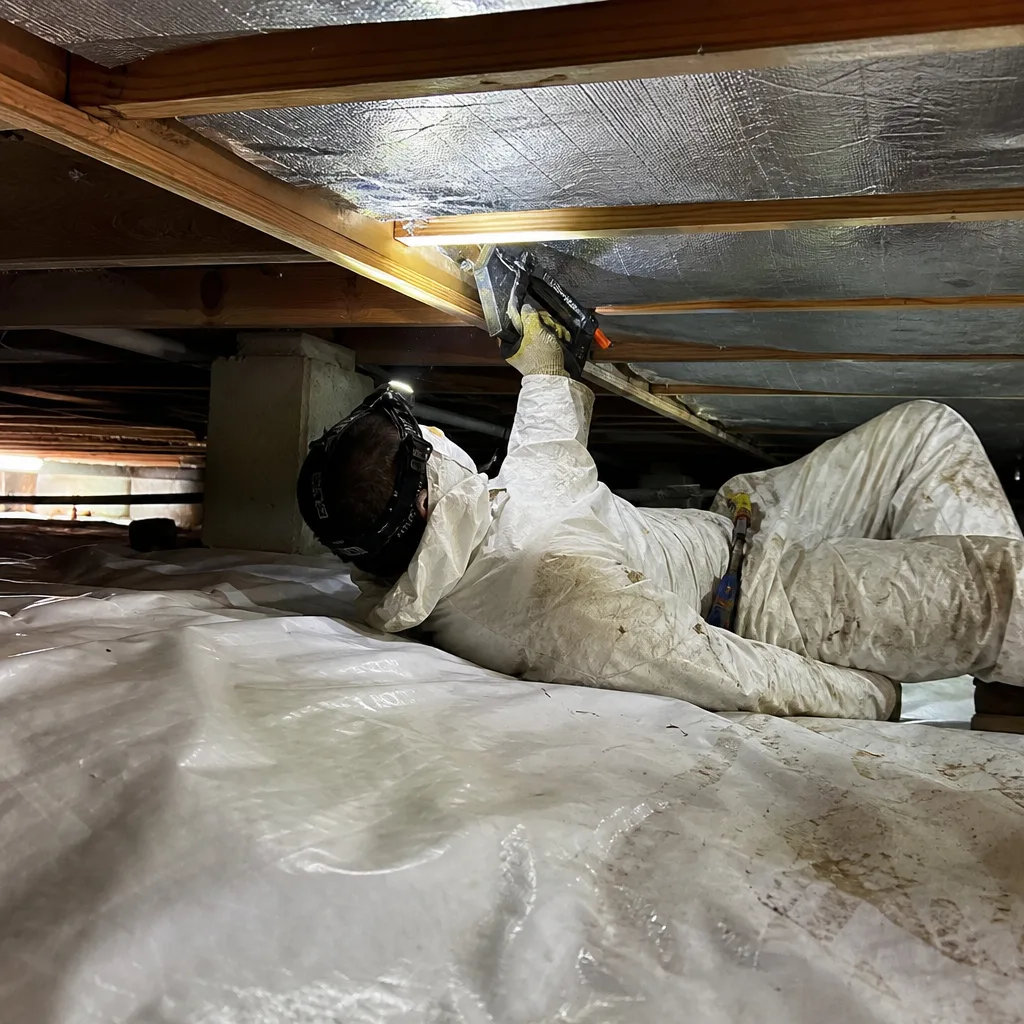
Before insulation fails thermally, it produces structural and sensory signals that attentive homeowners can learn to read. These cues appear 12-18 months before energy costs reflect the problem, making them the most valuable early warning system; find more guides & resources on our blog.
Ceiling Texture Changes
Textured ceilings - popcorn or knockdown, common in Tustin homes built 1975-1995 - reveal insulation gaps through thermal cycling damage. Where insulation is missing or compressed above the ceiling, the drywall experiences wider temperature swings. The texture compound, brittle with age, cracks in characteristic patterns: radial cracks around can lights, linear cracks following joist locations, or alligatoring in broad areas where insulation has settled uniformly.
These cracks are not merely cosmetic. They indicate that the ceiling assembly is experiencing stress from temperature differentials that proper insulation would prevent. The same thermal cycling degrades the paint film, producing chalking or discoloration that follows the same pattern.
Floor Perimeter Temperature Gradients
On a summer afternoon, walk barefoot along the perimeter of a second-story room, then cross to the center. In a properly insulated home, the temperature difference is imperceptible. When attic insulation has settled away from exterior walls or been displaced at the eaves, the floor perimeter near exterior walls measures 4-8°F warmer than the center of the room. This is the thermal signature of an uninsulated or underinsulated rim joist and attic edge.
We’ve measured this gradient in Tustin homes with apparently adequate center-attic insulation. The problem is localized: insulation installers, working from the access hatch, often fail to push material fully to the eaves, or the material settles over time. The center of the attic tests adequately; the edges, where heat gain is actually highest, are bare.
Odor Sequences That Signal Insulation Degradation
Insulation materials produce characteristic odors as they degrade. Fiberglass batts, when exposed to sustained moisture from air leakage, develop a sharp, metallic smell from binder breakdown. Cellulose, when wet, produces a musty, paper-like odor that intensifies with humidity. Spray foam that has separated from substrate due to thermal cycling emits a faint chemical sweetness distinct from its initial cure odor.
These odors are subtle. They don’t announce themselves. They appear when you return to the house after being away for several hours - when your olfactory adaptation has reset. Pay attention to what you smell when you first enter, particularly on humid days or after rain. A persistent unfamiliar odor in an otherwise clean home warrants investigation of attic and crawl space conditions.
Storage Floor Bounce and Joist Visibility
If you use your attic for storage, the condition of the storage floor reveals insulation status. Original attic floors in Tustin homes were rarely designed for storage load; homeowners often add plywood or OSB platforms. When you walk on these platforms, note whether the surface feels uniformly supported or whether you detect bounce or flex near the edges. Bounce indicates that insulation below the platform has compressed or been removed, reducing the effective support and exposing joist tops. Visually inspect: if you can see joist tops protruding above the insulation surface, the insulation has settled below its designed depth.
We’ve documented this in Tustin Ranch homes with original blown-in fiberglass installed in the 1990s. Designed at R-30 (approximately 10 inches), the material had settled to 6-7 inches over 25 years, with joist tops fully exposed in traffic areas. The homeowners had no thermal complaint yet - their bills had risen gradually enough to escape notice - but the structural signal was unambiguous.
Common Mistakes to Avoid
- Adding insulation over unsealed air leaks. Blowing new insulation over a leaky attic floor buries the problem and often makes it worse by obscuring access for future sealing. Air sealing must precede insulation, every time.
- Trusting visual inspection alone. Insulation can look full while performing poorly due to moisture saturation, pest contamination, or compression. The thermal recovery test and blower-door test reveal what eyes cannot.
- Assuming all rooms share the same insulation condition. Attic insulation failure is rarely uniform. South-facing roof sections and areas near access hatches degrade faster. Test multiple locations.
- Ignoring shoulder-month bill spikes. Many Tustin homeowners focus only on summer bills. The earliest insulation warning appears in mild weather when usage should be lowest.
- Delaying action until comfort is affected. By the time rooms feel uncomfortable, insulation has typically failed for 18+ months. Early detection through acoustic and sensory cues prevents cumulative energy waste.
- Attempting DIY removal of contaminated insulation. Rodent-contaminated insulation requires proper PPE, HEPA filtration, and disposal protocols. Disturbing it without containment aerosolizes pathogens.
- Neglecting to document pre-existing conditions. Before any insulation work, photograph current state, note odors, and record thermal recovery test results. This documentation protects you if performance disputes arise.
When to Call a Professional
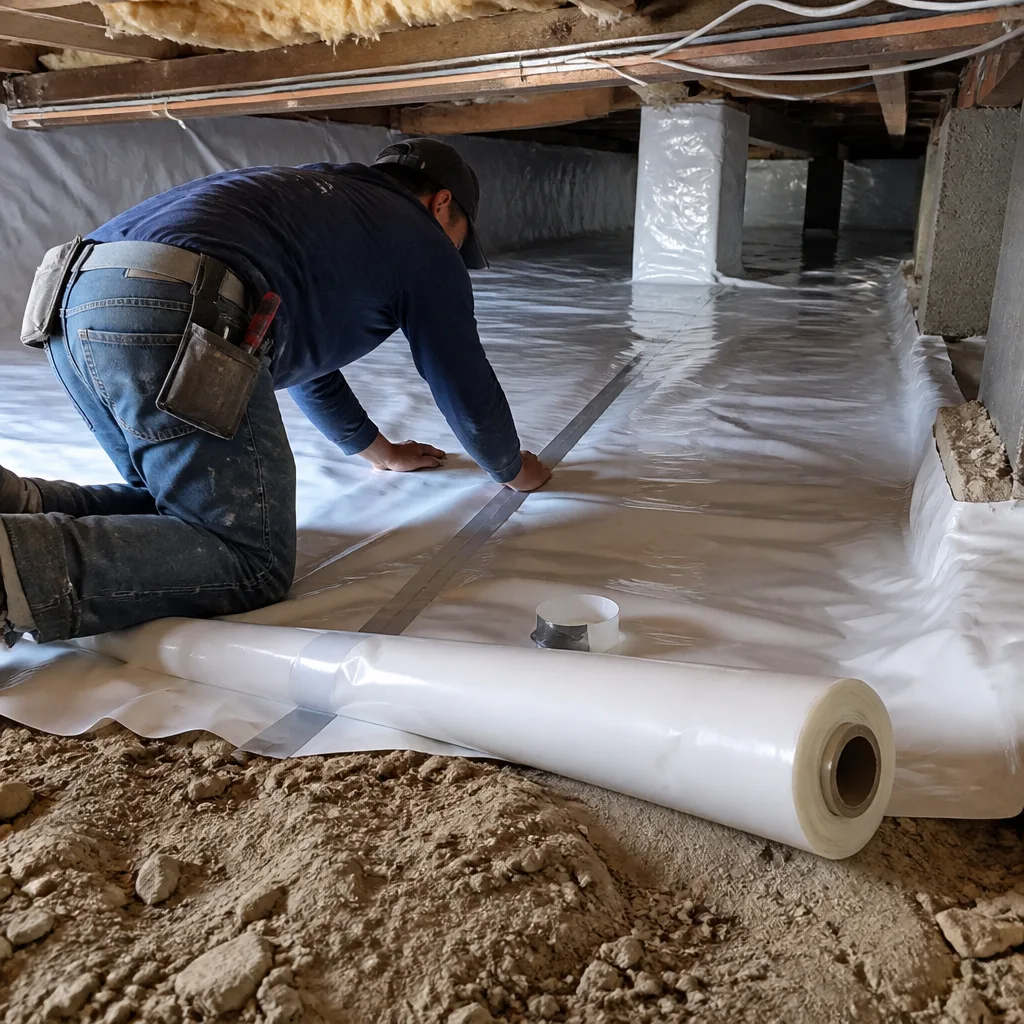
Call for professional assessment when you’ve confirmed two or more warning signs from this guide, when you detect ammonia odors indicating active pest infestation, or when your shoulder-month kWh has risen more than 20% year-over-year with no other explanation. Safety matters: if you suspect electrical issues in conjunction with insulation problems - warm outlets, flickering lights, or burning odors - do not enter the attic yourself.
Topside Attic Insulation Tustin offers free estimates in Tustin - call (657) 286-7673. Every estimate includes a written price before any work starts, under Haven Standard Clause 1. We also offer a Free Second Opinion on any written estimate from another contractor; bring us their scope and we’ll read it with you, line by line, and explain what we see. Our 365-Day Done Right Promise applies to all completed work: if it’s not done right, we make it right.
Frequently Asked Questions
Most complete attic insulation removal and replacement jobs in a Tustin single-family home run between $3,800 and $7,200, depending on attic square footage, accessibility, whether contaminated material requires hazmat handling, and whether air sealing is included. Partial upgrades or top-offs over existing insulation typically range from $1,800 to $3,400. Call (657) 286-7673 for an exact quote - estimates are free, and you’ll receive a written price before any work starts.
Yes, for preliminary assessment. The thermal recovery test, acoustic checks at door frames, and utility bill pattern analysis described in this guide can all be performed from your living space. However, definitive diagnosis requires attic entry to verify insulation depth, condition, and contamination status. We include this inspection in every free estimate.
Repair - adding material to fill gaps or top off settled insulation - is cheaper only when the existing material is clean, dry, and uncontaminated. In our experience across Tustin, insulation that has failed thermally has usually been compromised by moisture, pests, or compression. Adding new material over compromised old material traps problems and often violates manufacturer warranty terms. Replacement is typically the correct long-term investment.
Blown-in fiberglass and cellulose installed correctly in a sealed attic should maintain designed R-value for 20-30 years. In practice, we find Tustin attics need attention at 15-20 years due to settling, pest activity, and disturbance from electrical or HVAC work. Spray foam, when properly applied to prepared substrate, can perform for 30+ years but requires professional assessment of adhesion and dimensional stability after 20 years.
Do not disturb the insulation. Rodent droppings and urine can harbor hantavirus and other pathogens that become airborne when disturbed. Seal the attic access, call a licensed pest control operator for exclusion and remediation, then call us for insulation assessment after clearance. We handle contaminated insulation removal with proper PPE, HEPA containment, and disposal documentation. Call (657) 286-7673 to schedule after pest control completion.
We answer calls 24/7 through a live person, not voicemail. For true emergencies - such as insulation saturated by active roof leaks or exposed electrical in contact with compromised material - we can often dispatch same day within Tustin city limits. For standard assessments and estimates, we typically schedule within 48 hours. Call (657) 286-7673 and we’ll tell you exactly what timing looks like for your situation.
Every job closes with three documents: a written scope of work completed, a written warranty under our 365-Day Done Right Promise, and a Documented Photo Record showing before, during, and after conditions. On applicable jobs, we also provide before-and-after blower-door readings so you can verify the air-sealing result in CFM50 - a single number that shows how much conditioned air your home was losing before and after our work. Haven Standard: Have it in writing.
The Bottom Line
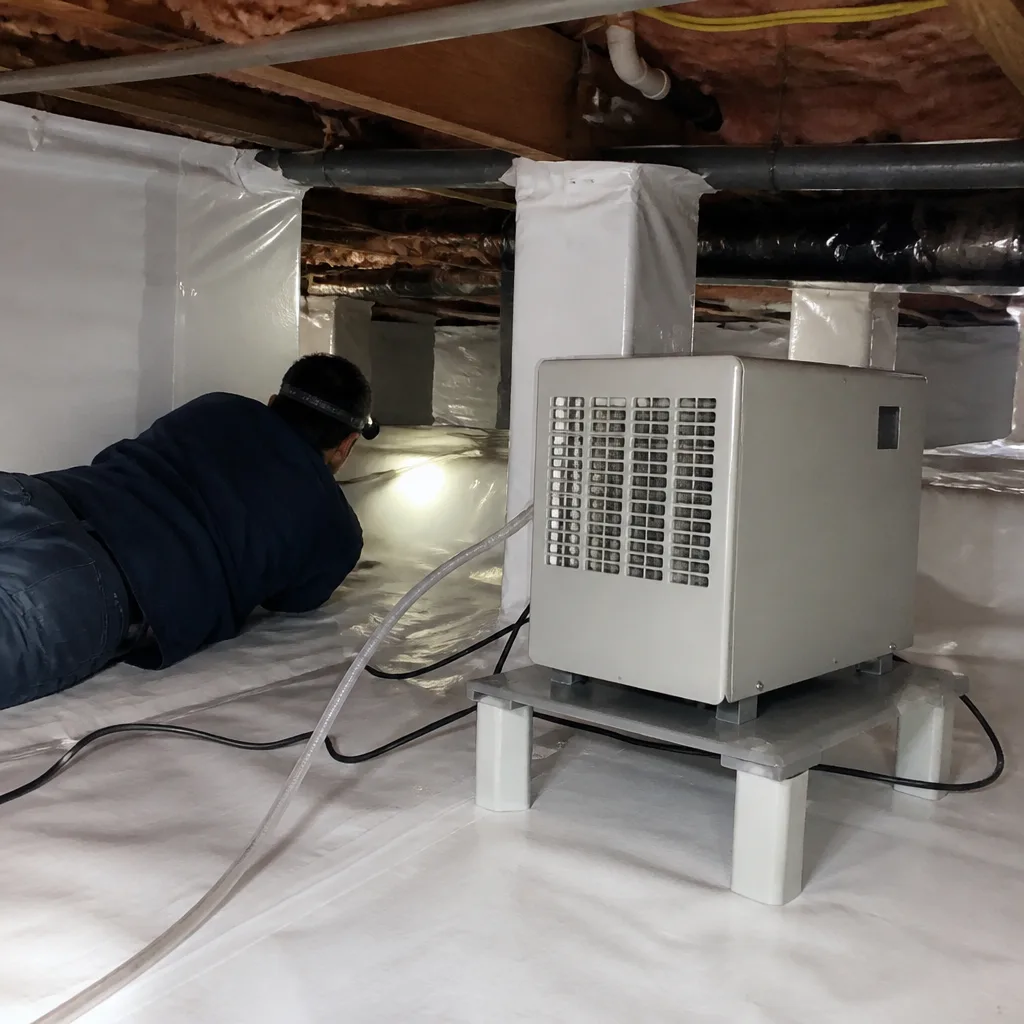
Insulation failure in Tustin announces itself early to homeowners who know what to observe. The thermal recovery test reveals ceiling heat radiation before bills rise. Acoustic checks at door frames and can lights detect air movement that visual inspection misses. Utility bill pattern analysis isolates insulation degradation from HVAC problems during shoulder months. Pest damage follows species-specific patterns with characteristic smell sequences. And interior condensation on the coldest winter nights, often mistaken for plumbing issues, signals wall cavity insulation gaps specific to our climate and construction era.
These methods require no diagnostic equipment beyond a $12 infrared thermometer and your own attention. The payoff is catching envelope failure 12-18 months before it becomes expensive, and entering any contractor conversation with documented observations rather than vague complaints. If your testing confirms warning signs, we’re available to assess, document, and correct - with a written price before any work starts, and verification numbers when the crew leaves.
Written by Wes Okafor, Owner at Topside Attic Insulation Tustin, serving Tustin since 2016.