
Icynene Attic Insulation: The Tustin Owner’s Guide
Most Icynene attic insulation jobs in Tustin run between $2.40 and $4.20 per board foot installed, with a typical 1,200-square-foot attic at R-38 landing between $3,800 and $6,400 depending on open-cell versus closed-cell selection and how much air sealing the top plates and can lights need first. We stock both Icynene Classic Max and Icynene ProSeal LE on our Tustin trucks, and we can usually inspect and start work same-day if you call before noon. Homeowners usually figure out something’s wrong when their upstairs bedrooms won’t cool below 78 degrees even with the AC running nonstop, or when they spot dark streaking on the drywall ceiling where conditioned air is hitting the attic deck and condensing.
Which Icynene Models This Applies To
Icynene’s product line breaks into two families that matter for attics in Tustin: open-cell water-blown foam (Classic Max, Classic Plus) and closed-cell HFO-blown foam (ProSeal LE, ProSeal Eco). Classic Max runs about half a pound per cubic foot and cures soft enough to trim with a bread knife; ProSeal LE runs 2 pounds per cubic foot and adds structural rigidity plus a higher R-value per inch. If you’re trying to match existing foam, check the color first - Classic Max cures white, ProSeal LE cures a pale yellow - then look for the Icynene lot number stamped on any exposed surface, which starts with “ICM” for Classic or “IPS” for ProSeal.
The compatibility gotcha in Tustin Legacy and the older Enderle Ranch builds: some contractors spec’d open-cell directly against the roof deck in the mid-2010s, which works until a roof leak goes undetected and the foam wicks moisture inward. When we open those attics, the Classic Max is often intact but trapping water against the sheathing. We don’t recommend patching over it. We cut back to dry substrate, address the leak source, then reinstall with closed-cell or a vented assembly depending on what the roof geometry allows. We are an independent service provider - not affiliated with Icynene - and we source Classic Max, ProSeal LE, and equivalent foams from Demilec and CertainTeed when the job calls for it.
OEM Icynene versus aftermarket: for new installs, we default to factory-certified material with the published R-value and density spec. For repairs and partial removals, we’ll match density and closed-cell content to what’s in place, even if that means a different manufacturer. The bag R-value only holds if the foam was mixed at the right temperature, applied at the right thickness, and allowed to cure without disturbance. We’ve found 3-inch passes that tested at R-18 instead of the expected R-21 because the substrate was cold that morning.
Signs Your Icynene Attic Insulation Is Failing
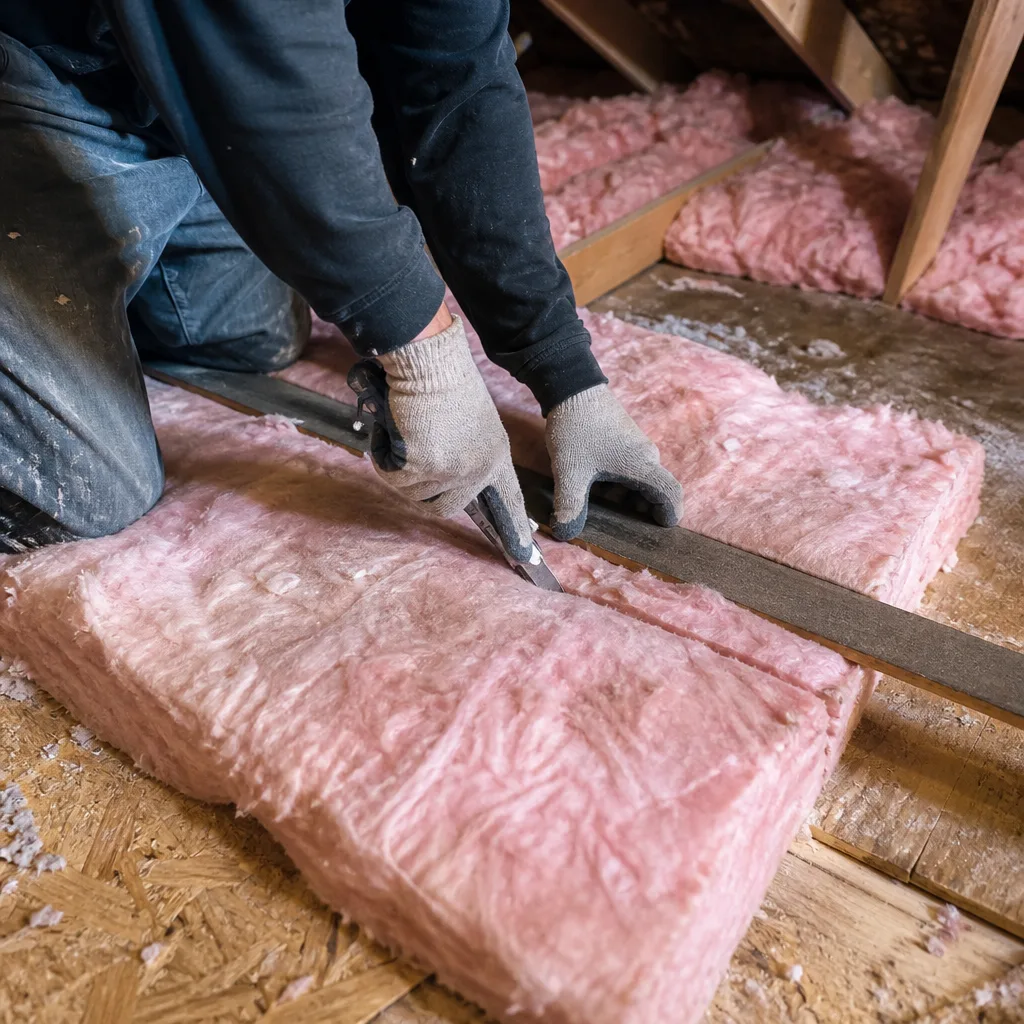
- Hot second floor that the AC can’t pull down. The foam may have shrunk away from the rafter bays or developed shrinkage cracks, creating thermal bypasses. In Tustin’s July heat, a 2-inch gap at the ridge line can let attic air hit 140 degrees radiate straight through.
- Dark streaking or water spots on ceiling drywall. Open-cell foam is vapor-permeable - it lets moisture through. If your roof deck has a slow leak, the foam won’t stop it; it’ll hide it until the drywall stains show. We find this most often where Tustin’s Santa Ana wind-driven rain gets past compromised flashing.
- Musty smell that worsens in summer. Foam that absorbed moisture during a prior leak can harbor mold on the wood substrate even when the foam itself looks clean. The smell means air is moving through that assembly, carrying spores downward.
- Visible crumbling or powdering on the foam surface. UV exposure degrades Icynene rapidly. If a previous contractor left foam exposed in a gable vent or skylight chase without a thermal barrier coating, the top layer turns to dust. We’ve seen this in Tustin’s older courtyard homes where skylight wells were foamed but never painted with an ignition barrier.
- HVAC running longer than it used to for the same temperature. This is the subtle one. Foam doesn’t lose R-value like fiberglass settles, but air sealing failures around top plates, duct boots, and recessed cans undermine the whole assembly. The foam is fine; the gaps around it aren’t.
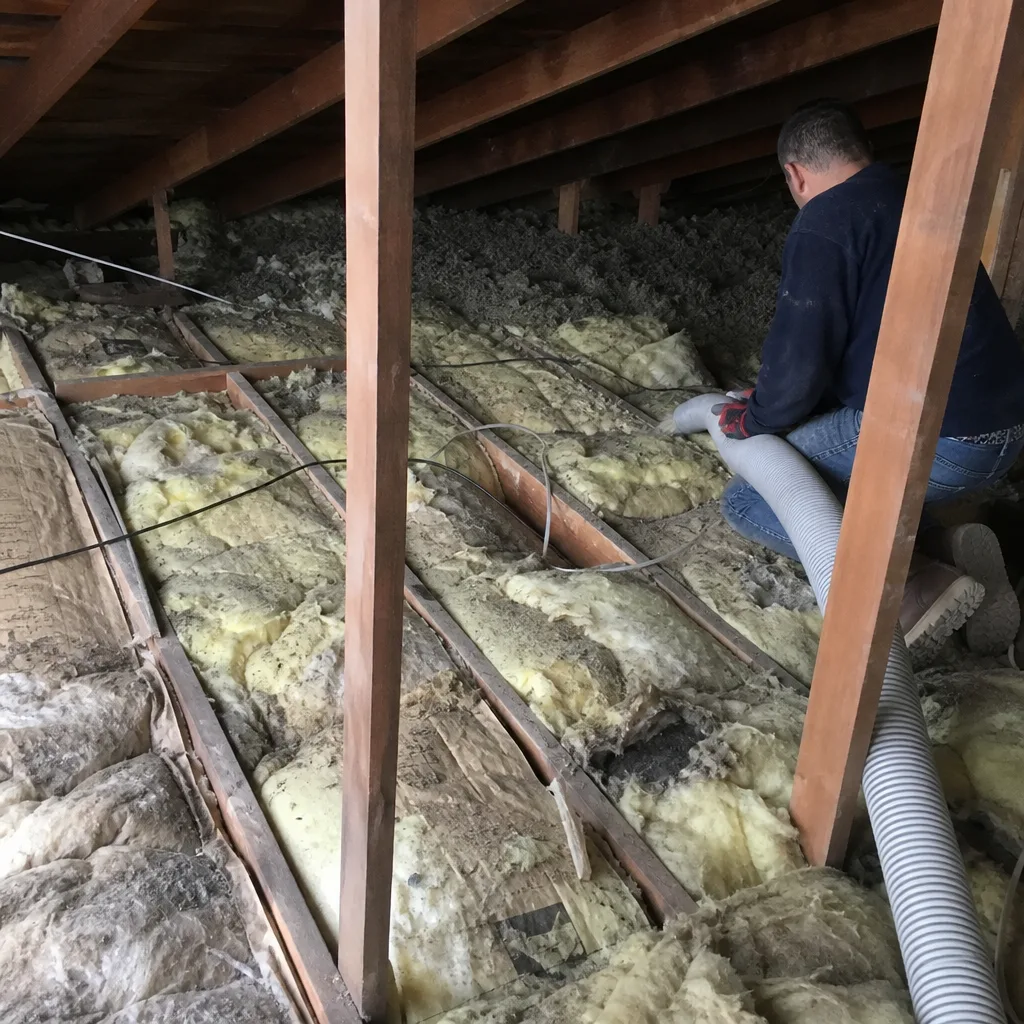 Before
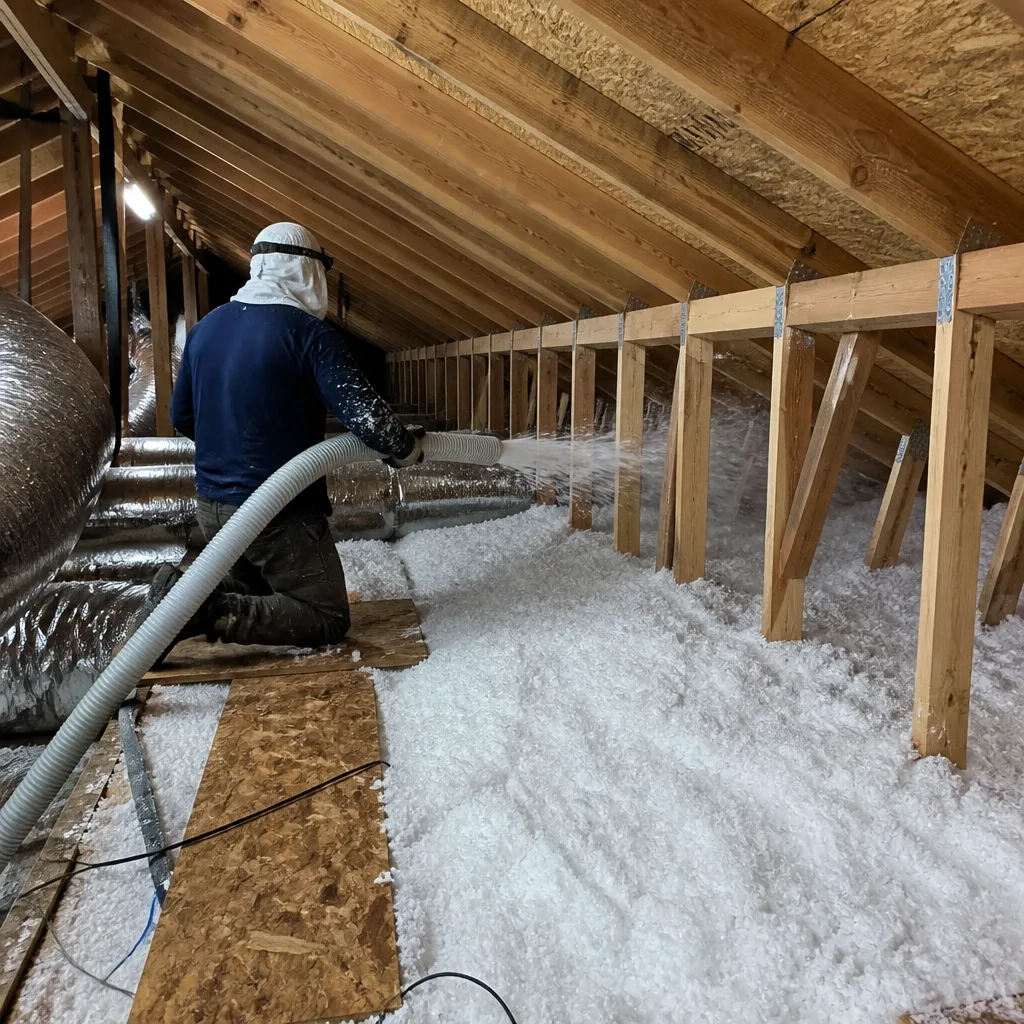 After
AfterReplacement Cost & What’s Included
In Tustin, here’s how Icynene attic work typically prices out:
| Scope | Price Range | What’s Included |
|---|---|---|
| Partial repair, 100-200 sq ft open-cell | $1,200 - $2,400 | Removal of failed foam, substrate drying, reinstall, ignition barrier |
| Full attic, open-cell R-38, 1,200 sq ft | $3,800 - $5,200 | Air sealing, foam install, thermal barrier coating, blower-door test |
| Full attic, closed-cell R-38, 1,200 sq ft | $5,400 - $7,800 | Air sealing, foam install, ignition barrier, blower-door test |
| Roof-deck retrofit (cathedral ceiling) | $6,500 - $9,500 | Venting assessment, foam removal if needed, closed-cell install |
The range driver is almost always air sealing labor, not the foam itself. A Tustin ranch with a simple attic and accessible top plates takes half a day to seal before we foam. A two-story with a complex HVAC chase, multiple can lights, and a fireplace chase takes a full day. We publish before-and-after blower-door numbers on every job - pressurizing your house to 50 pascals and measuring air leakage in CFM50 - so you see the actual change, not just a promise. Under Haven Standard Clause 1, you get a written price before anyone starts, a written scope, and a written warranty. The 365-Day Done Right Promise covers all completed work.
DIY or Call Us?
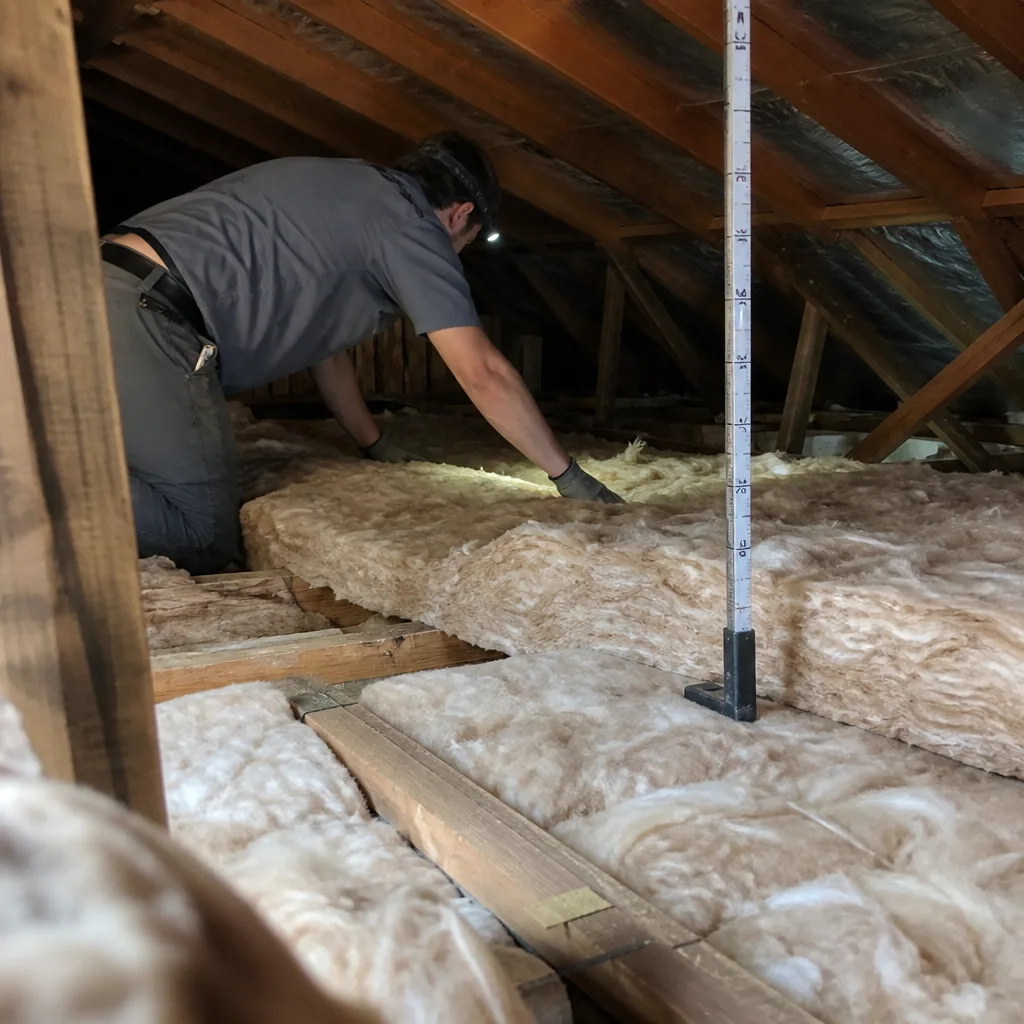
There’s a short list of what a homeowner can safely check: look at your attic access hatch - is it weatherstripped? Are your can lights IC-rated (insulation contact) or do they have gaps around the housing? Is your bathroom exhaust duct actually connected and vented outside, or is it dumping moist air into the attic? These are visual checks. They don’t require tools.
What you should not do: buy a two-component foam kit and spray your own attic. The chemicals are isocyanates, and without supplied-air respirators and proper ventilation, you’re risking chemical sensitization that can last years. The mixing ratio matters to the molecule; get it wrong and the foam never cures, or it cures with no structural integrity. And in California, foam insulation requires a thermal or ignition barrier per Title 24 - skip it and you’ve created a code violation that can void your homeowner’s insurance. We’ve been called to fix DIY foam jobs in Tustin where the homeowner saved $800 on material and spent $4,200 on removal because the foam was off-ratio and crumbly.
Call (657) 286-7673 and we’ll come look. Estimates are free, and we bring a thermal camera so you can see the gaps on the screen while we’re still in your attic.
FAQs
Properly installed Icynene foam is rated for the life of the building, but in practice we see performance degradation after 10-15 years if the original install skipped air sealing or if roof leaks went unaddressed. Tustin’s combination of intense summer attic heat and occasional wind-driven rain creates stress on the roof-to-foam interface. Call (657) 286-7673 for a thermal scan - we’ll show you whether your foam is still doing its job.
Localized damage from a known leak can often be cut back and patched if the surrounding foam is dry and well-adhered. Widespread shrinkage, off-ratio curing, or moisture contamination means removal. We don’t quote removal until we’ve opened the assembly and checked the substrate with a moisture meter. Bring us any written estimate you’ve received - we offer a Free Second Opinion on any written quote.
Most Tustin homes run two days: one day for air sealing and prep, one day for foam application and curing. Closed-cell needs 24 hours before it’s safe to re-enter the attic; open-cell is usually 4-6 hours. We schedule so you’re not displaced. Every job closes with a Documented Photo Record and, on applicable work, before-and-after blower-door readings.
We stock both Icynene Classic Max and ProSeal LE in our Tustin warehouse, along with Demilec and CertainTeed equivalents for jobs where matching existing density matters more than brand name. For same-day starts, we need to see the attic first - foam isn’t a commodity part you swap like a filter; the substrate condition and moisture content determine what goes down. Call (657) 286-7673 before noon and we’ll usually get there that day.
Written by Wes Okafor, Owner, Topside Attic Insulation Tustin at Topside Attic Insulation Tustin, serving Tustin and nearby areas.