
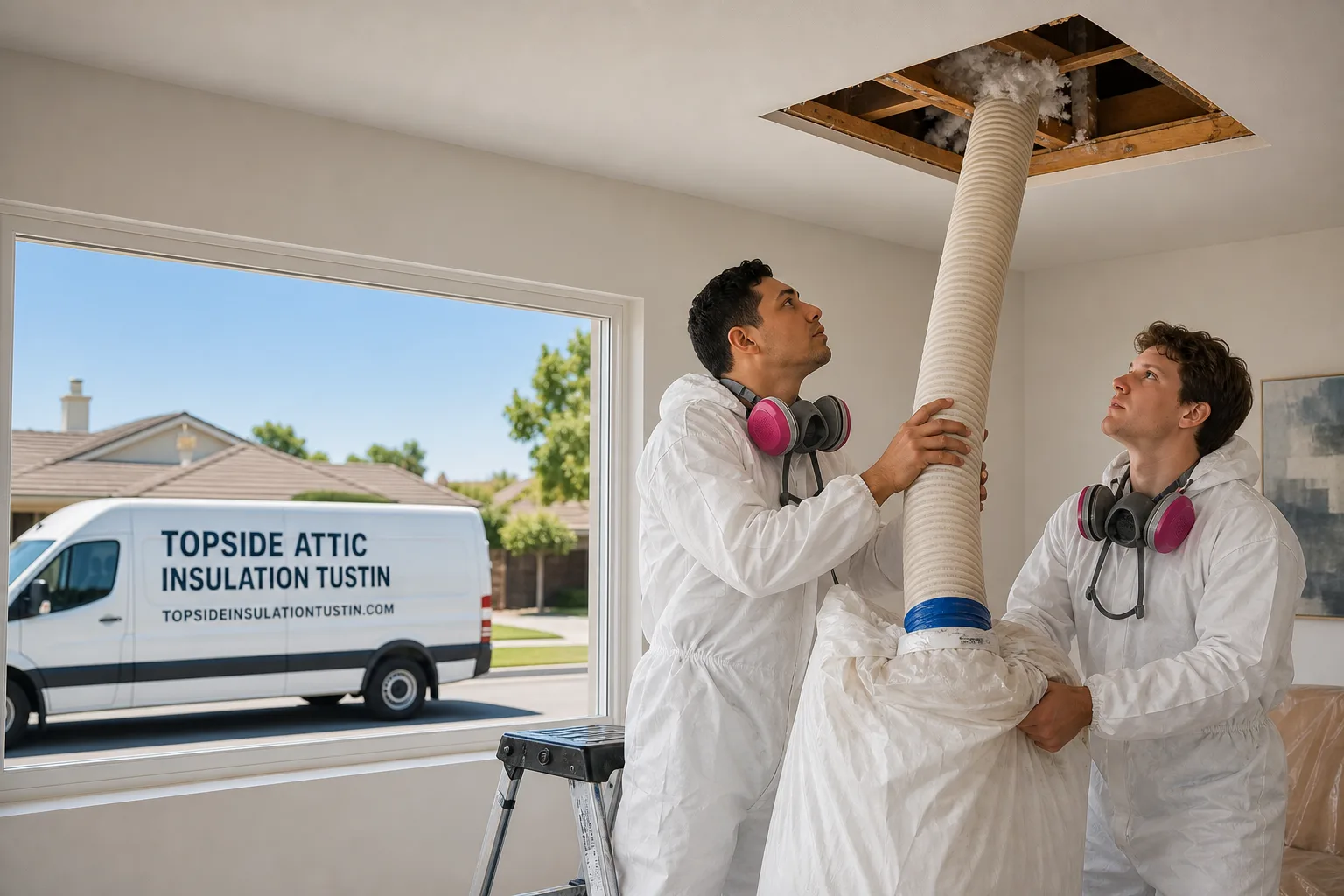
Fast, Reliable Attic Insulation Across Costa Mesa
Most attic insulation jobs in Costa Mesa run $2,200-$5,800 depending on whether we’re topping up existing material or replacing degraded batts in a full attic. Our crews are typically on-site in Costa Mesa within 24-48 hours of your call, and we dispatch from our Los Angeles office with technicians who know the difference between a Harbor Heights ranch and a Plaza district split-level. Call (657) 286-7673 for a written price before any work starts.
We’ve insulated attics across the 92626, 92660, and 92661 ZIP codes since 2016, and the pattern we see in Costa Mesa is distinct from what we find in Tustin or Santa Ana just inland. The marine layer that rolls off Upper Newport Bay doesn’t just keep your summers mild - it keeps attic insulation failures hidden for years. That coastal humidity is the reason we lead every Costa Mesa job with air sealing, publish blower-door numbers, and never blow new insulation over an unsealed attic floor.
Why Topside Attic Insulation Tustin Is Costa Mesa’s Preferred Attic Insulation Company
Our reputation in Costa Mesa is built on documented results, not claims. We’ve sealed and insulated more than 9,000 homes since 2016, and every Costa Mesa customer receives a written price before work starts, a Documented Photo Record when the crew leaves, and on applicable jobs, before-and-after blower-door readings that show exactly how much conditioned air the home stopped losing.
Costa Mesa homeowners research thoroughly before calling - we know because they tell us they read our three-star reviews as carefully as our five-star ones. They find us through neighbors in Superior Heights and The Bluffs who’ve had crews in their attics and can describe the process in detail. Response time to Costa Mesa averages same-day or next-day scheduling, with a live person answering calls 24/7 and a text notification when your technician is en route.
What separates us in this market is local diagnostic knowledge. A Costa Mesa attic with compressed original batts can look acceptable from the hatch while testing at R-5 or lower. We know to probe the north-facing rafter bays, check for black-stained vapor retarders, and test rather than assume. That specificity is why Costa Mesa customers refer us to neighbors on the same block.
Our Attic Insulation Services in Costa Mesa
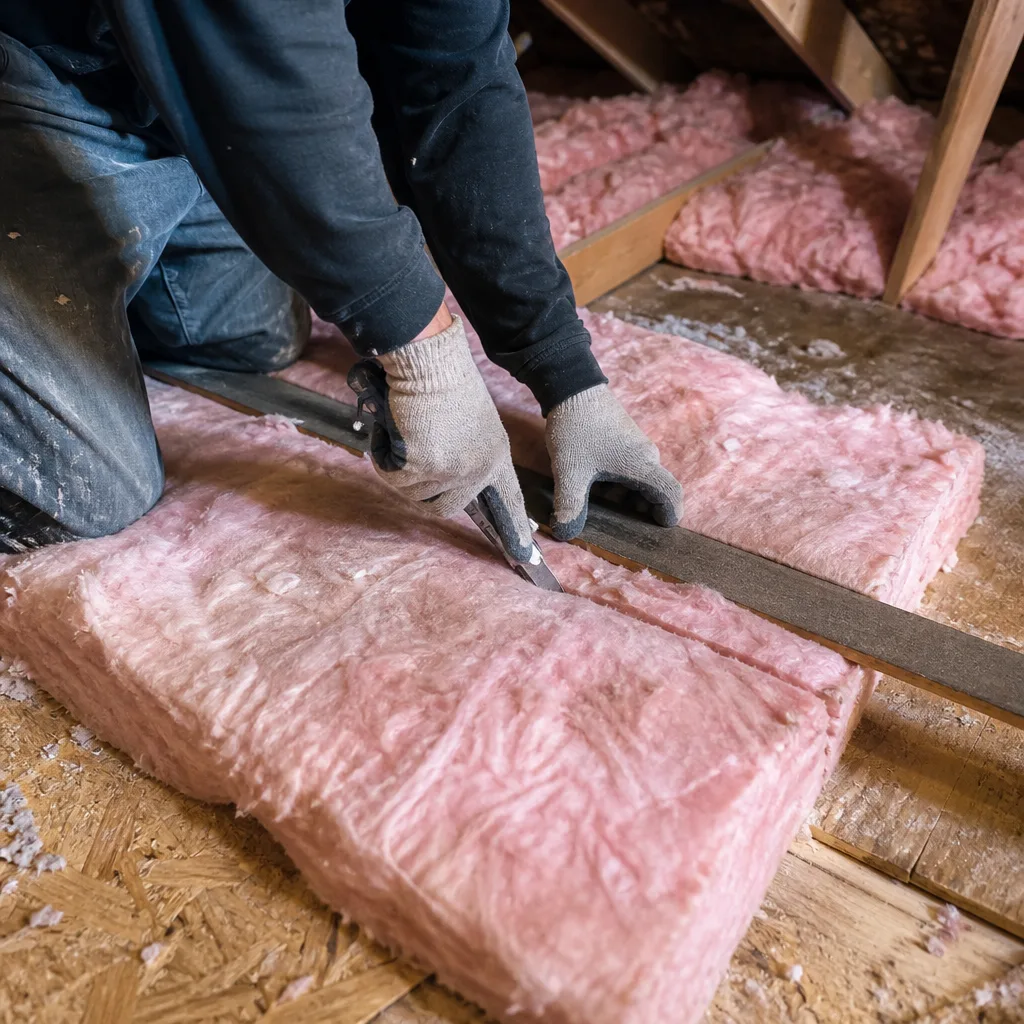
Blown-In Attic Insulation
Blown-in fiberglass or cellulose is our most common installation for Costa Mesa’s 1950s-1970s ranch and split-level stock, where irregular joist bays and penetrations make batts difficult to fit properly. We use materials from Johns Manville, Knauf, and Owens Corning - never proprietary products that lock you into a single supplier. Every blown-in job in Costa Mesa begins with air sealing of top plates, can lights, and flue collars; we pressurize the attic with a blower-door test before and after to document the reduction in air leakage. Most Costa Mesa attics need R-38 to R-49 for current Title 24 compliance, and blown-in fiberglass achieves this efficiently in the shallow truss cavities common to postwar construction near Te Winkle Park.
Attic Batt Insulation
Batt insulation still has a place in Costa Mesa, particularly in newer construction like One Ford Road or Belcourt where framing is regular and moisture history is clean. We specify Rockwool or CertainTeed batts when fire resistance or sound attenuation is a priority - Rockwool’s mineral wool composition doesn’t support mold growth, which matters in coastal humidity. But we’re direct with Costa Mesa homeowners: if your existing batts are stained, compressed, or installed over unsealed penetrations, we won’t layer new material over old. The Haven Standard requires removal and air sealing first. Batt jobs in Costa Mesa typically run $2,400-$4,200 for a 1,200-square-foot attic.
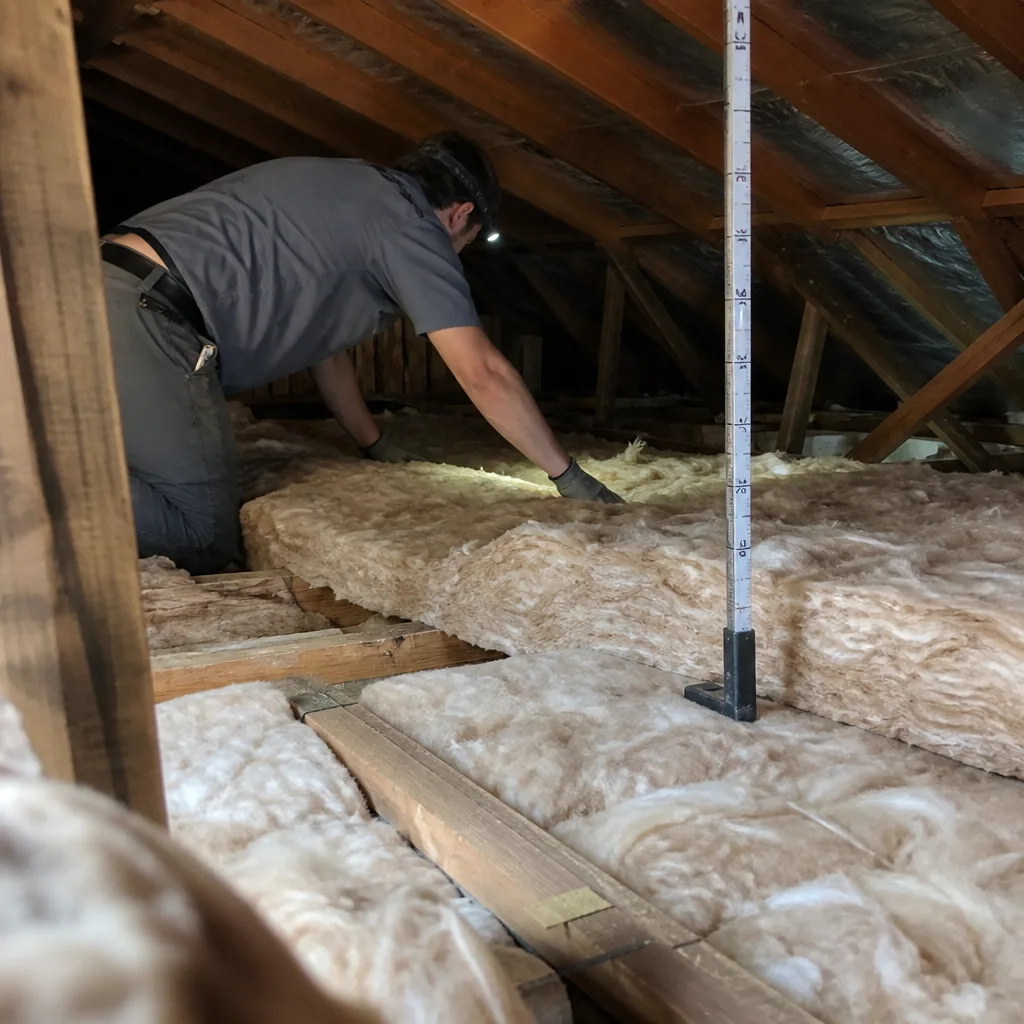
Attic Insulation Top-Up
This is our most frequent service call in Costa Mesa, and it’s where the marine-layer problem hides in plain sight. Homeowners in South Mesa and Harbor Heights call because their energy bills crept up, or a home inspector flagged low insulation depth, not because the house feels uncomfortable. We probe the existing material with a depth gauge and thermal camera, and what we find is predictable: original fiberglass batts compressed to 2-3 inches, often reading R-5 or lower, with the top surface looking deceptively intact.
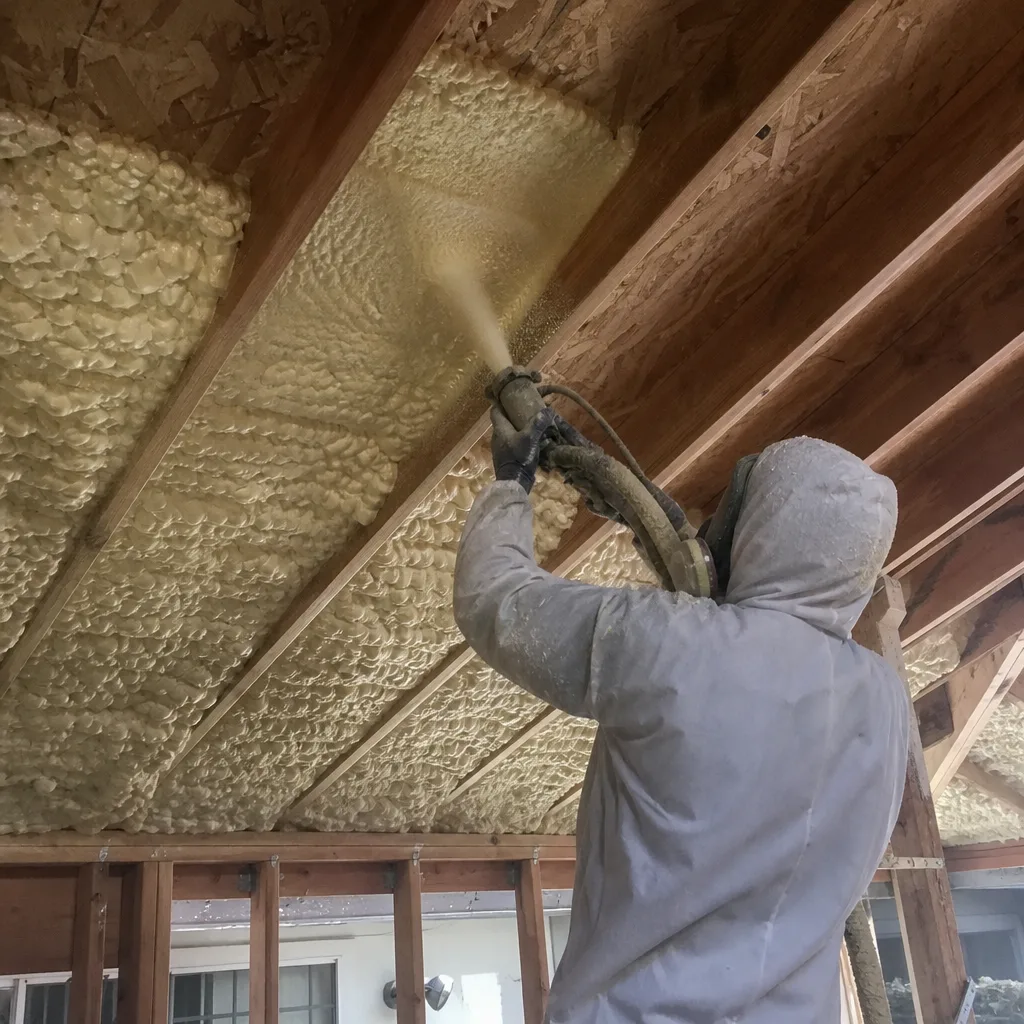
A top-up isn’t just adding material. We air-seal first, install baffles at soffit vents to maintain airflow from Upper Newport Bay, then blow new insulation to achieve uniform depth. Top-up jobs in Costa Mesa typically run $2,200-$3,800. The homeowner near Santa Ana Avenue whose August bill dropped after our crew finished? That was a top-up that became a full replacement once we found the blackened vapor retarders. We wrote her a new price on-site before proceeding - Haven Standard Clause 1, no exceptions.
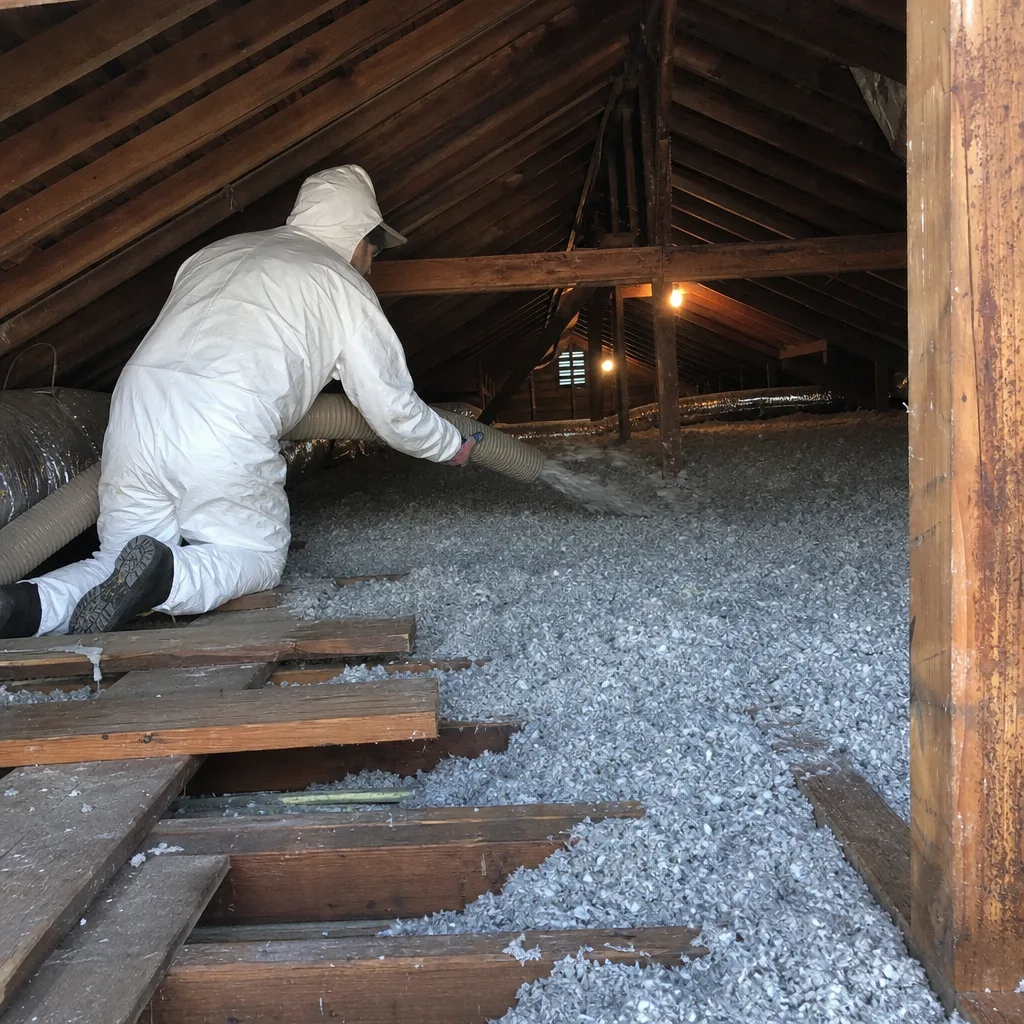
Attic Insulation Replacement
Full replacement is necessary when existing insulation is moisture-degraded, pest-contaminated, or installed without air sealing that can’t be remediated from above. In Costa Mesa’s older tracts, we see this most often where decades of marine-layer humidity have degraded paper-faced batts, or where rodent activity in unsealed attics has rendered material unsalvageable. Our crew removes the old material, disposes of it properly, seals every penetration, treats for odor and pathogens if needed, then installs new insulation to current R-value with full documentation. Replacement jobs in Costa Mesa range from $4,200-$5,800 for typical single-story ranches. You get before-and-after blower-door numbers, a photo record, and a 365-Day Done Right Promise in writing.
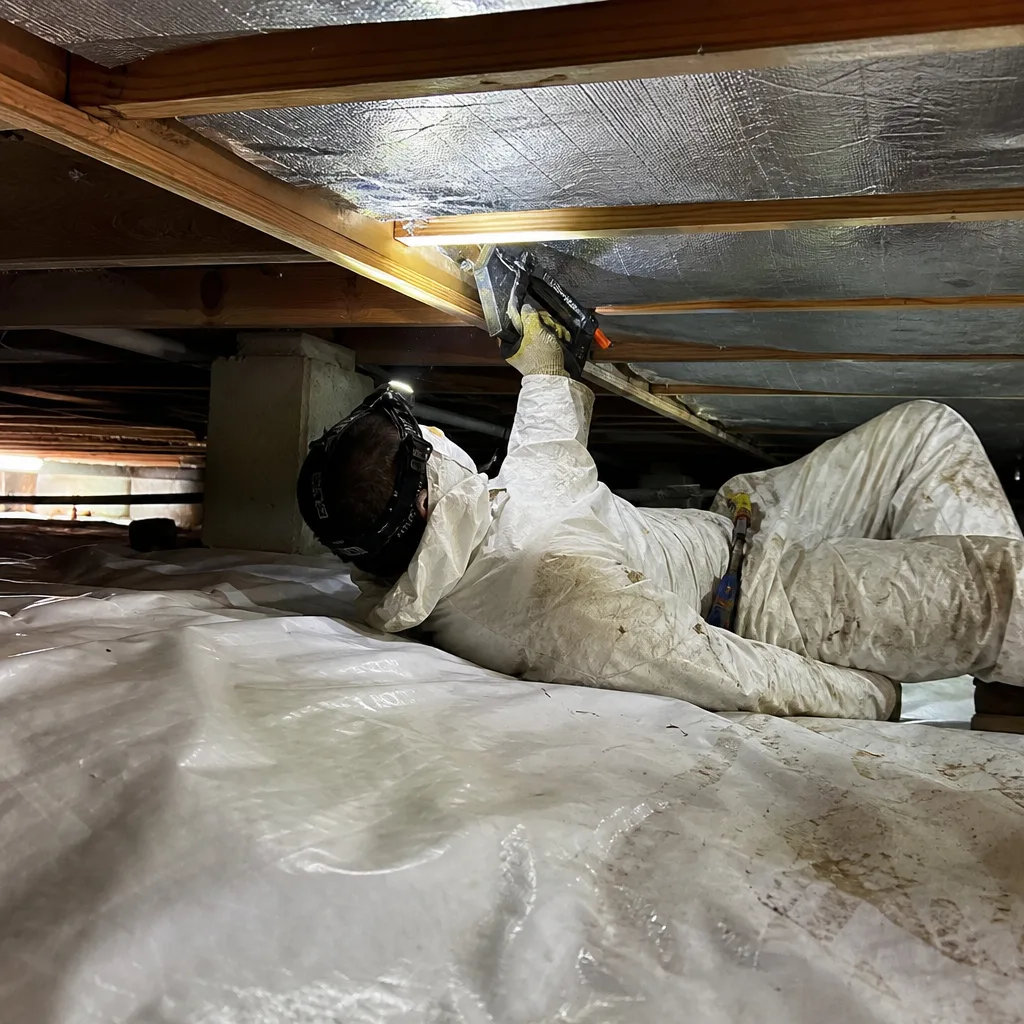
Attic Baffles & Ventilation Prep
Costa Mesa’s passive attic ventilation depends on soffit-to-ridge airflow drying the deck between morning fog and afternoon sun. When baffles clog with salt-laden dust, pest debris, or years of neglect, that airflow stops and moisture accumulates. We install proper vent baffles at every soffit intake, verify clear path to ridge vents, and in some cases add supplemental ventilation where the original 1960s design is inadequate for the insulation depth we’re adding. This service is often bundled with top-up or replacement work, but we also perform standalone ventilation assessments for Costa Mesa homeowners concerned about roof sheathing mold.
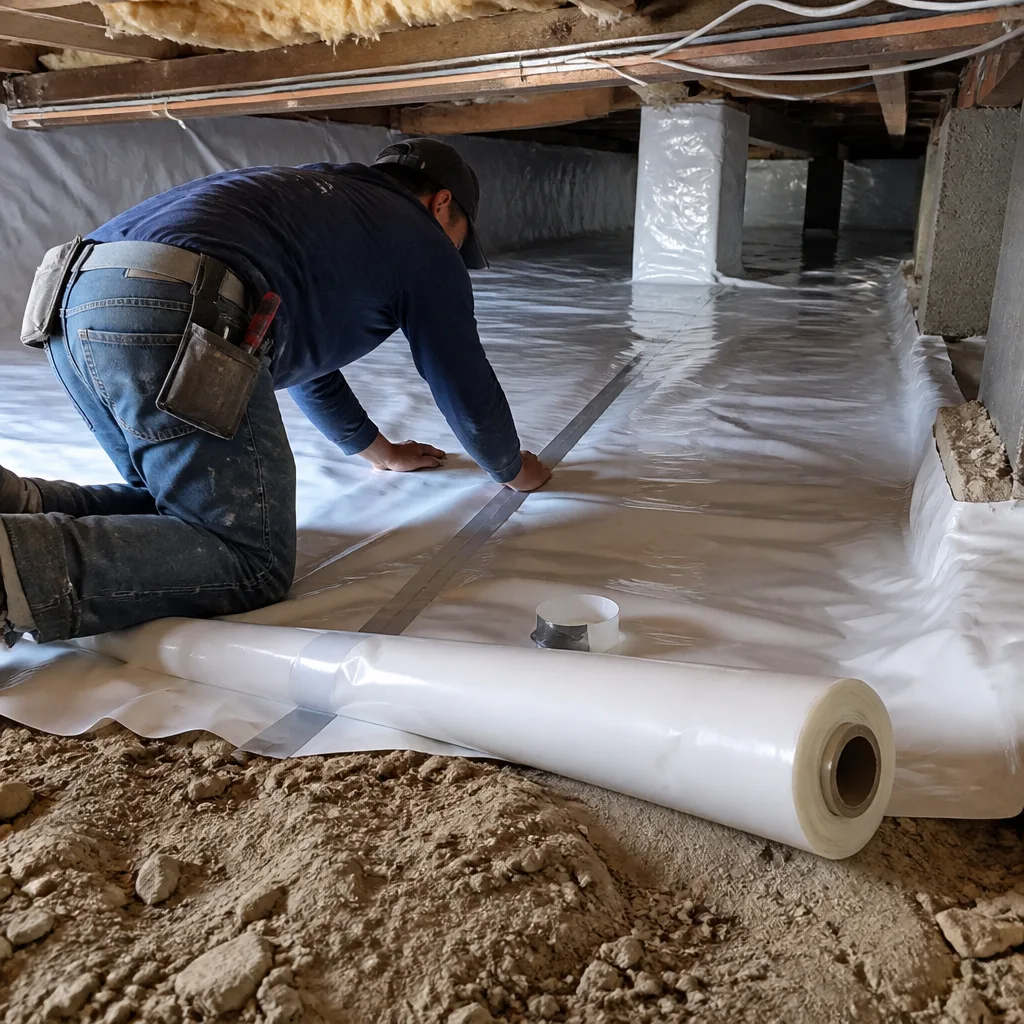
What happens when you call
- 1
A real person answersNo phone trees - you reach a local pro.
- 2
You get an upfront price rangeHonest numbers before anyone is dispatched.
- 3
A background-checked tech heads outLicensed & insured, dispatched right away.
- 4
You approve before work beginsNothing starts until you say go.
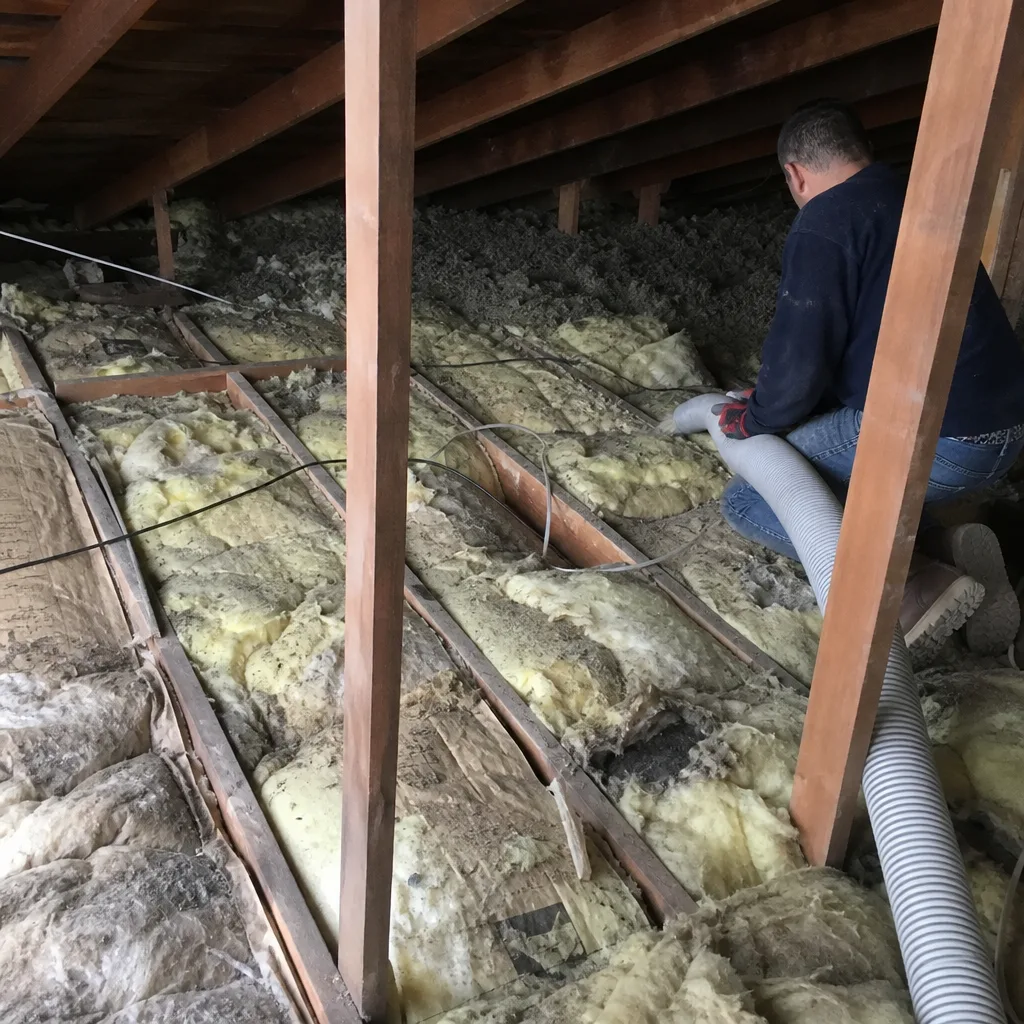 Before
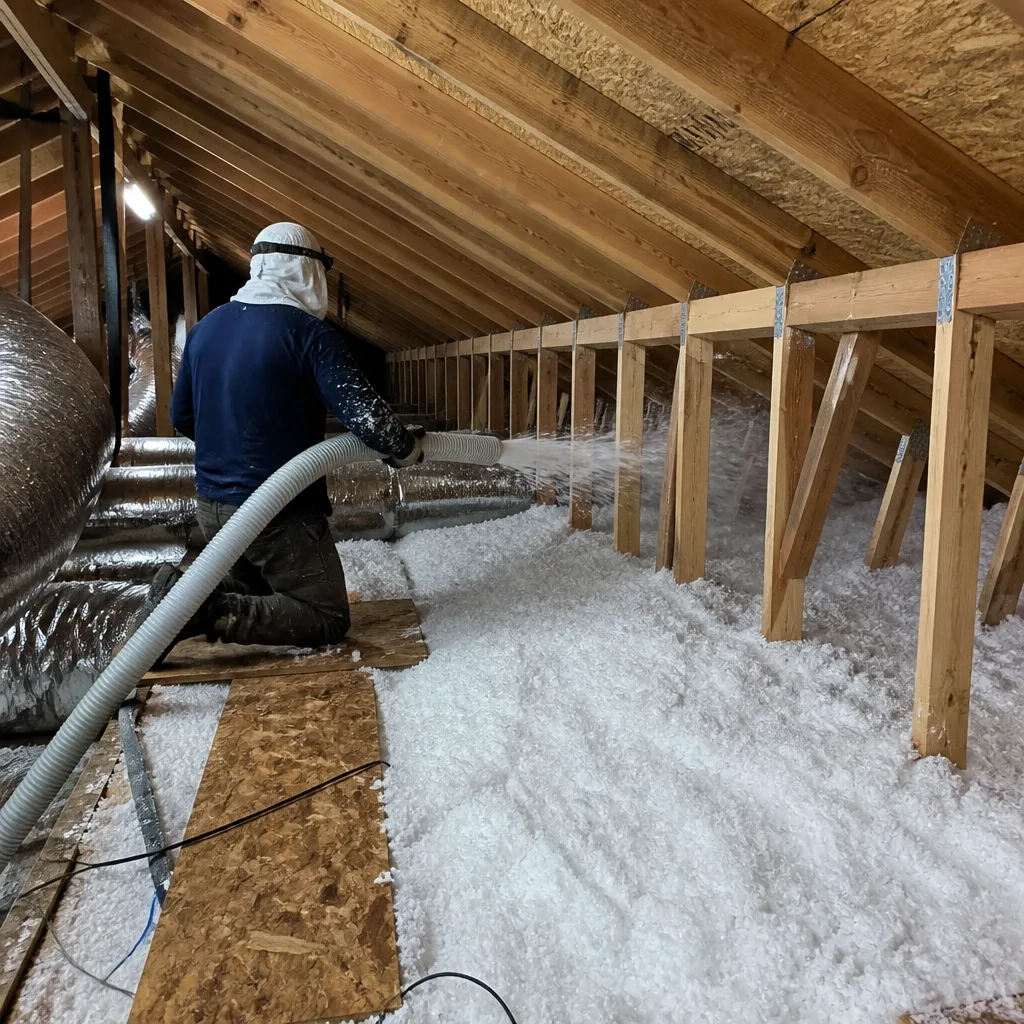 After
AfterTrusted Brands We Service in Costa Mesa
We source insulation materials from Johns Manville, Knauf, Rockwool, CertainTeed, Owens Corning, Icynene, Demilec, and GreenFiber - no proprietary lock-in, no house brand with undisclosed specs. For Costa Mesa’s humidity, we often recommend Knauf’s EcoFill blown-in fiberglass or Rockwool’s mineral wool batts for their moisture resistance and dimensional stability. Our Los Angeles office maintains local inventory for common Costa Mesa job specs, so we’re not waiting on freight while your attic sits open. Every material comes with manufacturer documentation and is installed to the spec we quote in writing.
Common Attic Insulation Problems We See in Costa Mesa Homes
- Compressed, invisible R-5 batts in older ranches. Original fiberglass in Harbor Heights and South Mesa homes was installed at R-11 or R-19 when new, but decades of marine-layer humidity and gravity compression have collapsed it to 2-3 inches. The top surface looks uniform; the thermal performance is gone. We find this in roughly 60% of Costa Mesa pre-1980 homes we inspect.
- Black-stained vapor retarders on north-facing rafter bays. The marine layer lingers longest on north slopes, and condensation forms where cool, humid air meets the attic deck. Paper-faced batts act as a wick. We pull material that looks dry from the hatch and find the retarder stained black along the north bays - a mold precursor that doesn’t show until you’re in the space.
- Clogged soffit baffles killing passive drying. Salt-laden dust from Pacific air, plus rodent nesting material, blocks the vent path that should dry the attic between foggy mornings and sunny afternoons. The result is elevated humidity in the assembly, sheathing discoloration, and insulation that never fully dries.
- Top-plate and can-light leaks bypassing “adequate” insulation. Even where insulation depth looks reasonable, unsealed penetrations let conditioned air escape and humid coastal air enter. The insulation does its job thermally but the building envelope leaks around it. Our blower-door test quantifies this before we start; most Costa Mesa homes test 3,500-5,500 CFM50 before sealing and 1,800-2,800 after.
Pricing for Attic Insulation in Costa Mesa, CA
Here’s what attic insulation costs in Costa Mesa’s current market:
| Service | Typical Range |
|---|---|
| Attic Insulation Top-Up (air seal + blow to R-38) | $2,200 - $3,800 |
| Attic Insulation Replacement (remove, seal, reinstall) | $4,200 - $5,800 |
| Attic Batt Installation (new construction or clean attic) | $2,400 - $4,200 |
| Baffles & Ventilation Prep (standalone) | $680 - $1,400 |
| Blown-In Attic Insulation (full job, typical ranch) | $2,600 - $4,600 |
What moves you within these ranges: attic square footage, accessibility (some Costa Mesa ranches have hatches in closets with limited headroom), existing material condition, and whether we find unsealed penetrations that must be addressed before insulation goes in. We don’t quote by phone without seeing the space, but we do provide a written price at the conclusion of our assessment visit - and that assessment is free. Bring us a competing written estimate and we’ll review it with you line by line; our Free Second Opinion is Haven Standard practice.
We Also Serve Cities Near Costa Mesa
Our crews work throughout coastal Orange County, including Costa Mesa and neighboring Fountain Valley, Santa Ana, Huntington Beach, and Tustin. Each city’s building stock and climate patterns differ - Santa Ana’s drier, hotter inland conditions create different failure modes than Costa Mesa’s marine-layer humidity - and our Attic Insulation team adjusts scope accordingly. Dispatch is coordinated from our Los Angeles office with local routing to minimize transit time to your job.
Serving Costa Mesa, CA - Our Local Coverage Area
We’re based in the Costa Mesa area and know this community well. Use the map below to see our service coverage - if you’re nearby, we can almost certainly help.
FAQs - Attic Insulation in Costa Mesa
The marine layer compresses and degrades fiberglass from the bottom up while the top surface stays visually intact. Original batts in Harbor Heights and South Mesa were often R-11 or R-19 when installed; decades of humidity and gravity collapse them to 2-3 inches, but the top layer looks uniform from the hatch. We measure with a depth gauge and thermal camera, not visual inspection. Call (657) 286-7673 and we’ll test it properly - estimates are free.
Yes, and the mild climate is exactly why the problem goes undetected. Summer highs rarely crack 80°F, so you don’t feel the heat gain that would alert inland homeowners. But your HVAC still runs, and degraded R-5 batts force it to cycle longer to maintain setpoint. The energy auditors we work with describe the marine layer as “masking the loss” - Costa Mesa homes feel comfortable while bleeding conditioned air through the attic. Replacement pays back through reduced runtime, not dramatic temperature change.
Harbor Heights, South Mesa, and portions of Superior Heights built in the 1950s-1970s have the most consistently degraded material. These were postwar tract homes where developers specified minimal insulation assuming the coastal climate made heavy thermal protection unnecessary. Newer communities like One Ford Road and Belcourt generally have better original specs, though we still find air-sealing gaps. The 92626 ZIP code has the highest concentration of pre-1980 stock in our experience.
Not if it’s done correctly - but done wrong, it can trap moisture. Adding insulation over an unsealed attic floor or clogged soffit vents can reduce drying potential and accelerate sheathing mold. That’s why our Attic Insulation Top-Up and Attic Insulation Replacement services always begin with air sealing and ventilation assessment. We verify baffle function and ridge vent continuity before adding material. The Haven Standard requires it.
Top-up works when existing material is clean, dry, and structurally intact - just compressed or under-depth. Full replacement is necessary when we find moisture staining, pest contamination, or degraded paper facing that can’t be left in place. We determine this during our free assessment with a physical probe, moisture meter, and visual inspection of representative bays. You’ll get a written scope for either option before any work starts. Call (657) 286-7673 to schedule.
Written by Wes Okafor, Owner at Topside Attic Insulation Tustin, serving Costa Mesa since 2016.