
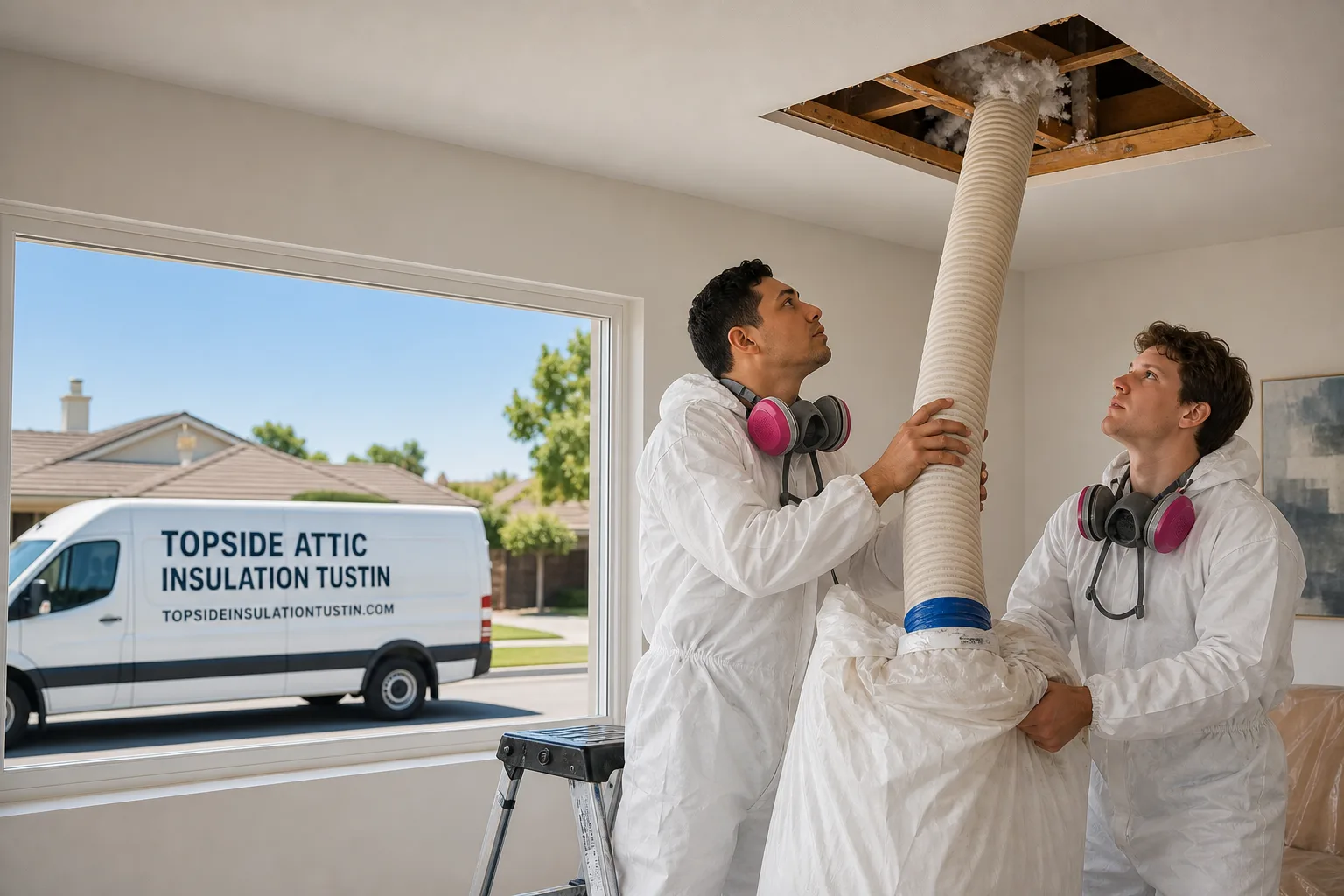
Fast, Reliable Blown-In Insulation Across Villa Park
Blown-in insulation in Villa Park typically costs $2.80-$4.50 per square foot for attic retrofits, with most half-acre custom homes running $4,200-$8,900 for a complete job. We’re usually on-site within 24-48 hours of your call, and we dispatch from our Los Angeles office with crews who know the difference between a Villa Park retrofit and a tract-home job in Orange or Anaheim. Call (657) 286-7673 for a written price before any work starts.
Villa Park’s roughly 2,200 parcels are nearly all half-acre-plus custom lots, which means blown-in insulation retrofits here routinely require a 150-200 ft hose run and 5,000-8,000 lb equipment set-ups that crew trucks cannot park adjacent to the attic access. In a tract city like Anaheim or Orange, the same job is a 30 ft pull from the driveway. We’ve been handling these logistics since 2016, and we stage materials accordingly.
Why Topside Attic Insulation Tustin Is Villa Park’s Preferred Blown-In Insulation Company
We’ve sealed and insulated more than 9,000 homes since 2016, and a disproportionate share of our premium retrofit work comes from Villa Park’s concentrated stock of 1960s-1980s custom builds. The reviews we receive from Villa Park customers consistently mention two things: that we showed up with the right equipment for the lot size, and that the before-and-after blower-door numbers proved what they paid for.
Our response time to Villa Park is same-day or next-day for standard bookings, and we keep a live person on the phone 24/7 - no voicemail loops, no callback windows measured in business days. Crews are background-checked and uniformed; you get a named technician and a text when they’re on the way. Under Haven Standard: Arrive on schedule.
We know the local failure modes. The bonus room over the garage that’s unusable in July. The detached workshop with 150°F rear bays. The disconnected attic cavities above cathedral ceilings that swallow R-value whole. These aren’t hypotheticals for us. They’re the specific conditions we plan for when we load the truck.
Our Blown-In Insulation Services in Villa Park
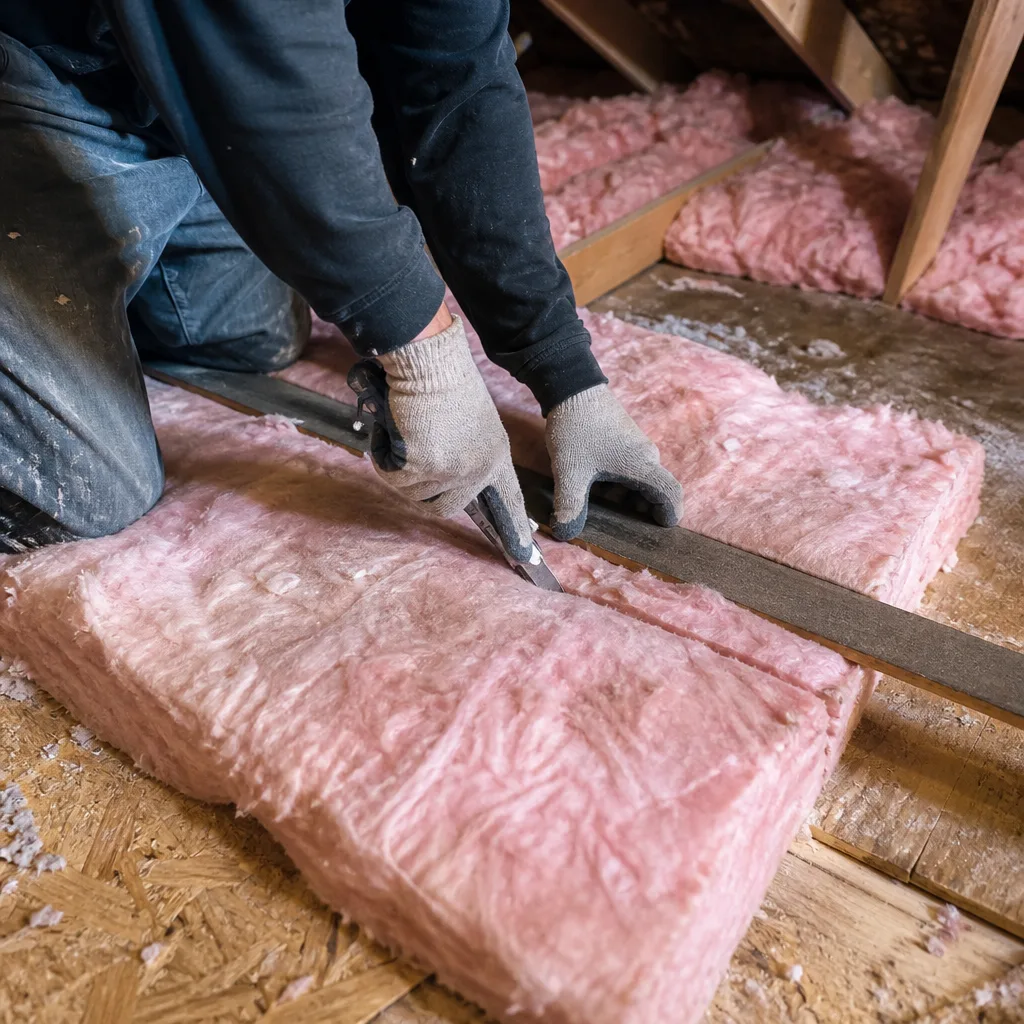
Blown-In Cellulose
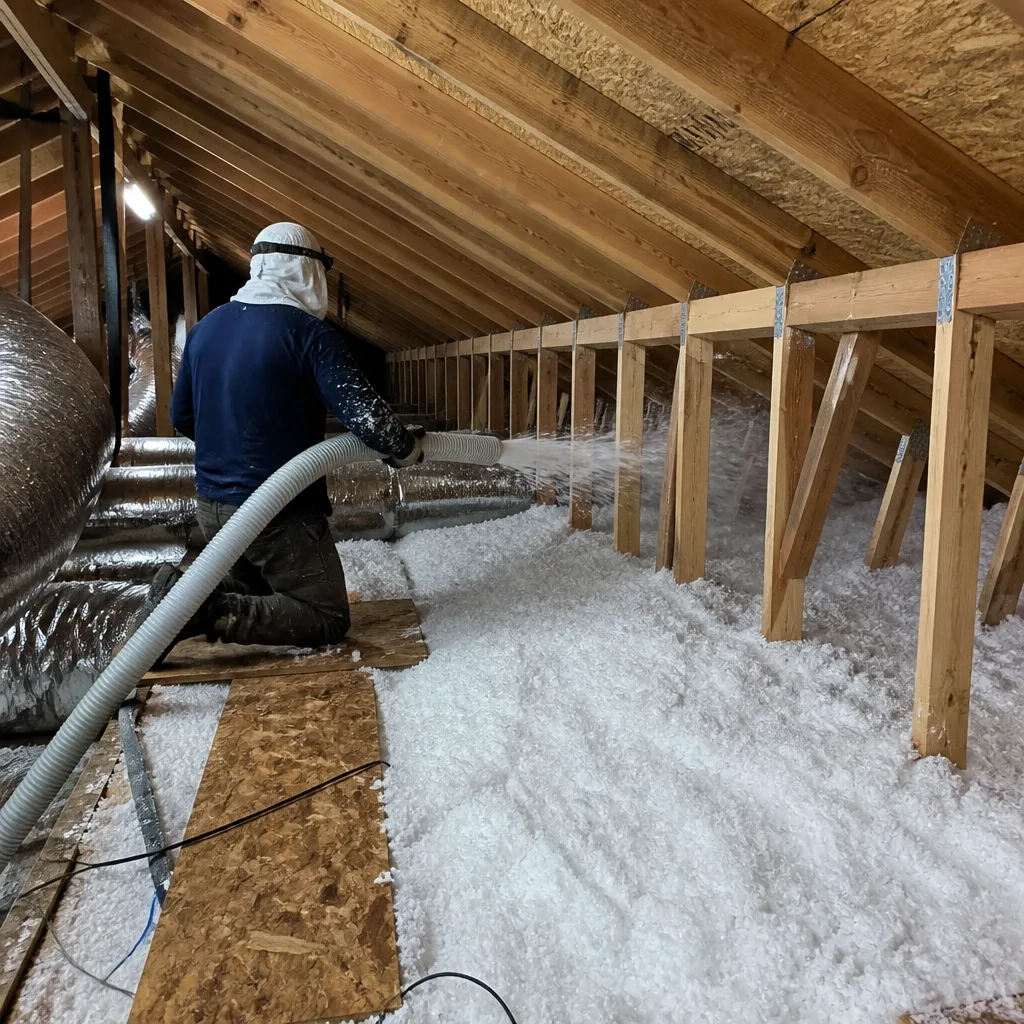
We use GreenFiber cellulose for most Villa Park attic retrofits, blown to a settled density of 1.5-1.8 lbs per cubic foot. Cellulose performs well in Villa Park’s semi-arid foothill climate, where summer highs hit 95-105°F and Santa Ana wind events can push attic temperatures above 150°F. The material’s higher mass and flame-retardant treatment (borate) resist the convective looping that lighter materials suffer in extreme temperature swings. On a half-acre parcel off Serrano Avenue, our crew topped up a 1972 single-story ranch whose cathedral-ceiling great room and detached workshop shared one compressor but sat 180 feet apart - we ran the GreenFiber cellulose hose across the concrete pad with a hose bridge, split the zones into two separate 14-inch density passes, and the shop’s rear bay went from 138°F at 3pm to 96°F the following Saturday. The homeowner, a retired contractor, wanted the top-up, the blown-in fiberglass over the bonus room over the garage, and the dense-pack wall section behind the shop’s west wall handled in a single visit, so we staged all three materials on one truck.
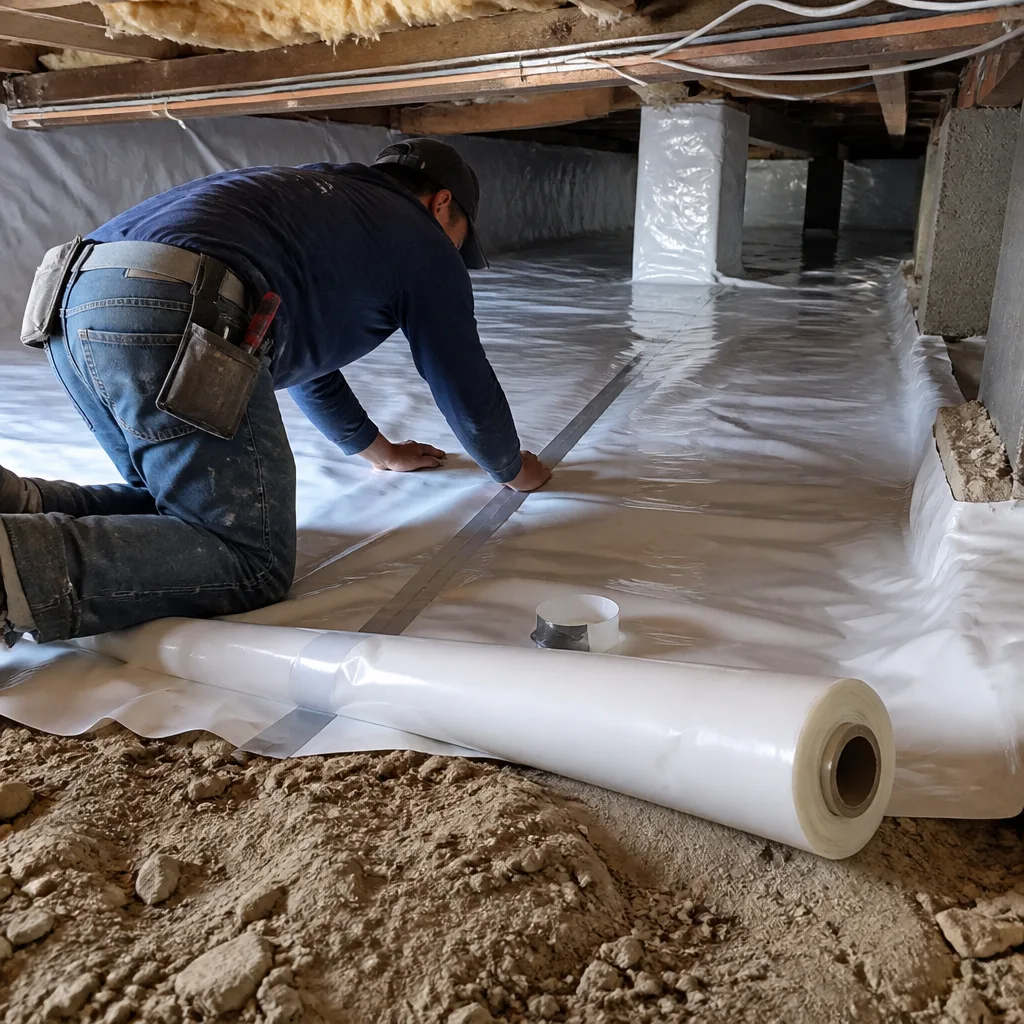
Blown-In Fiberglass
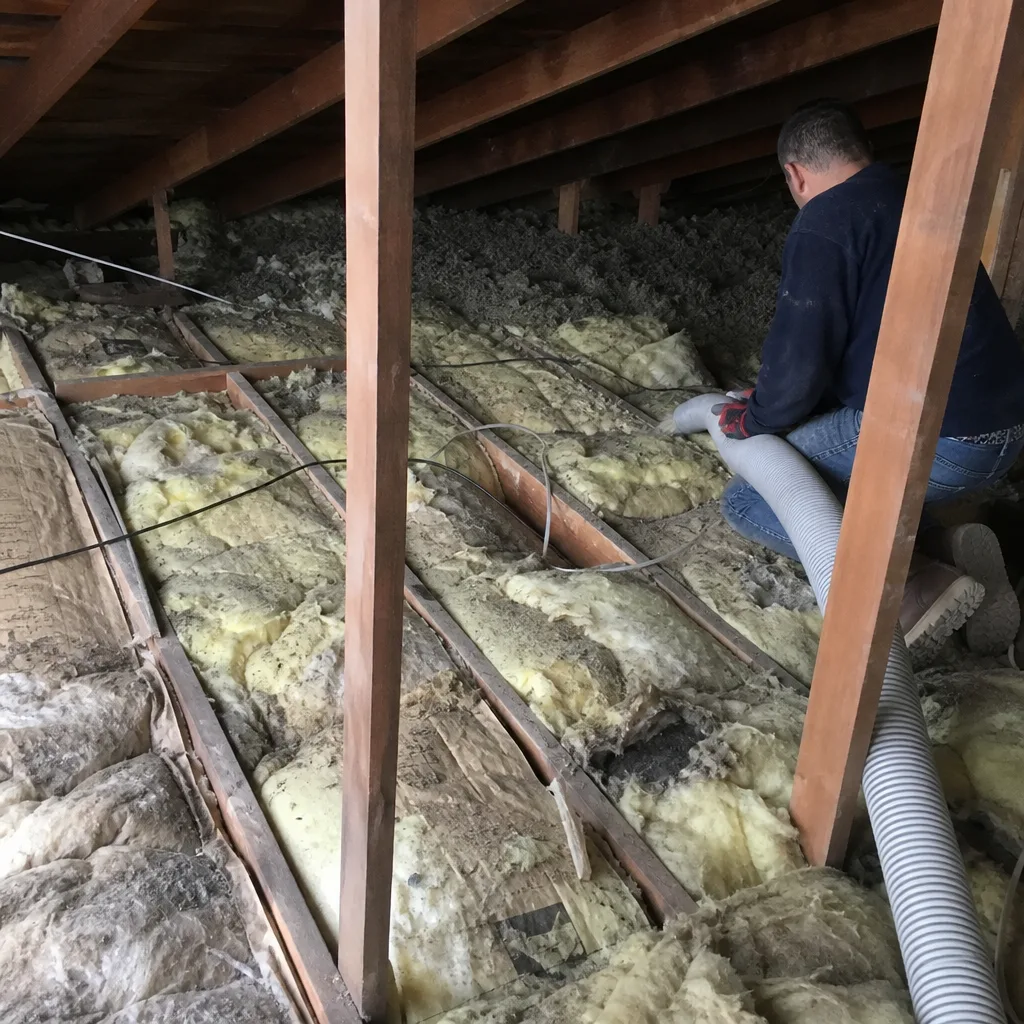
For Villa Park’s original 1960s batts that have degraded but aren’t moisture-compromised, we often specify blown-in fiberglass as a top-up layer, particularly in attic floors where the existing insulation can be air-sealed first and then capped. Owens Corning and Johns Manville loose-fill fiberglass are our standard stock. The lighter density (0.5-0.8 lbs per cubic foot) doesn’t compress older batts the way cellulose can, and it recovers full loft faster after disturbance. We never blow new material over an unsealed attic floor - that’s Haven Standard, not optional.
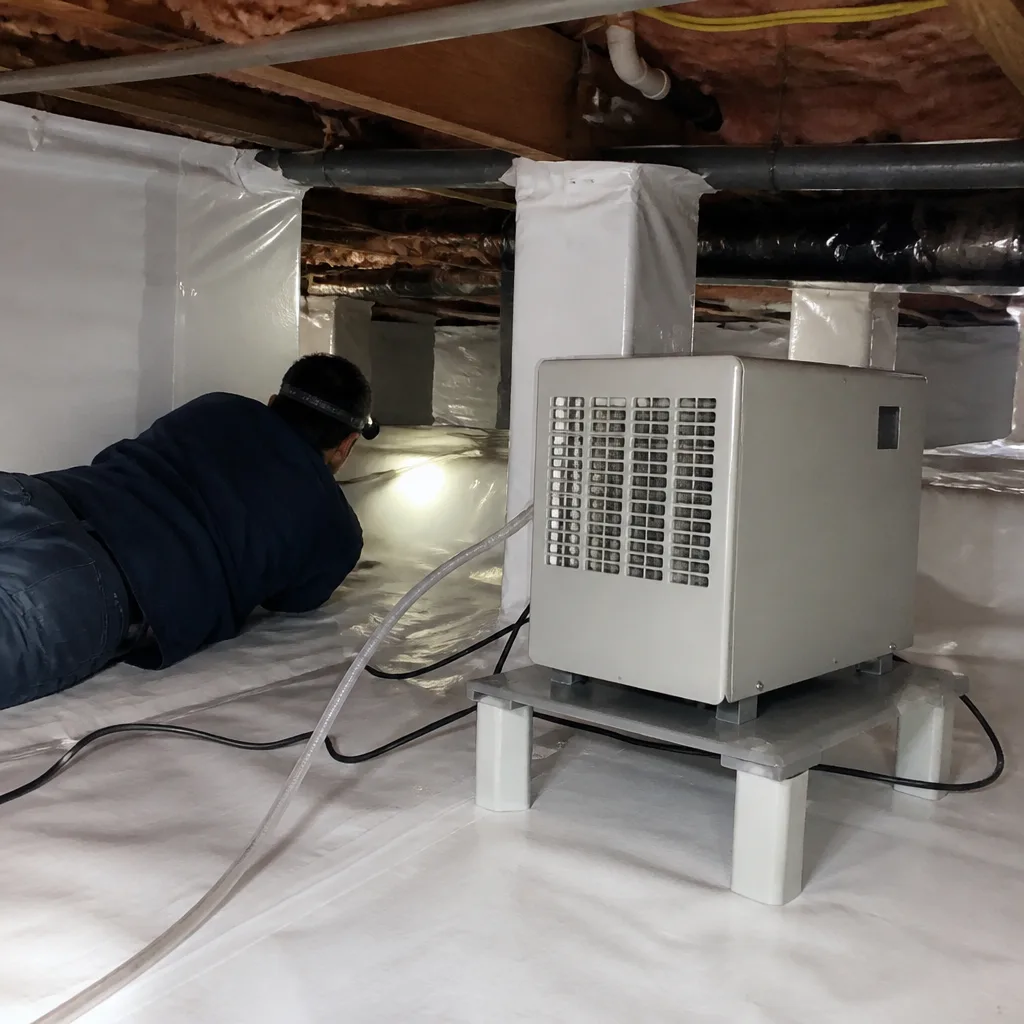
Dense-Pack Wall Insulation
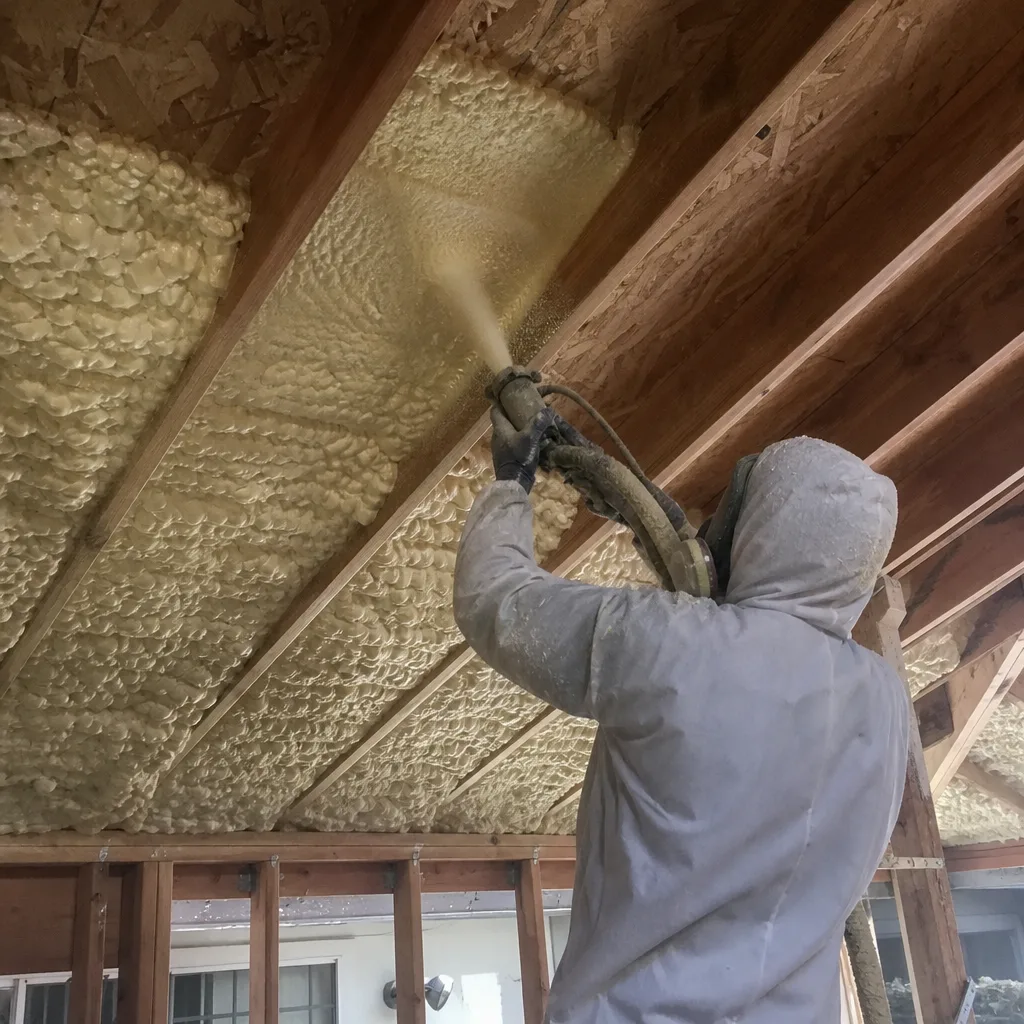
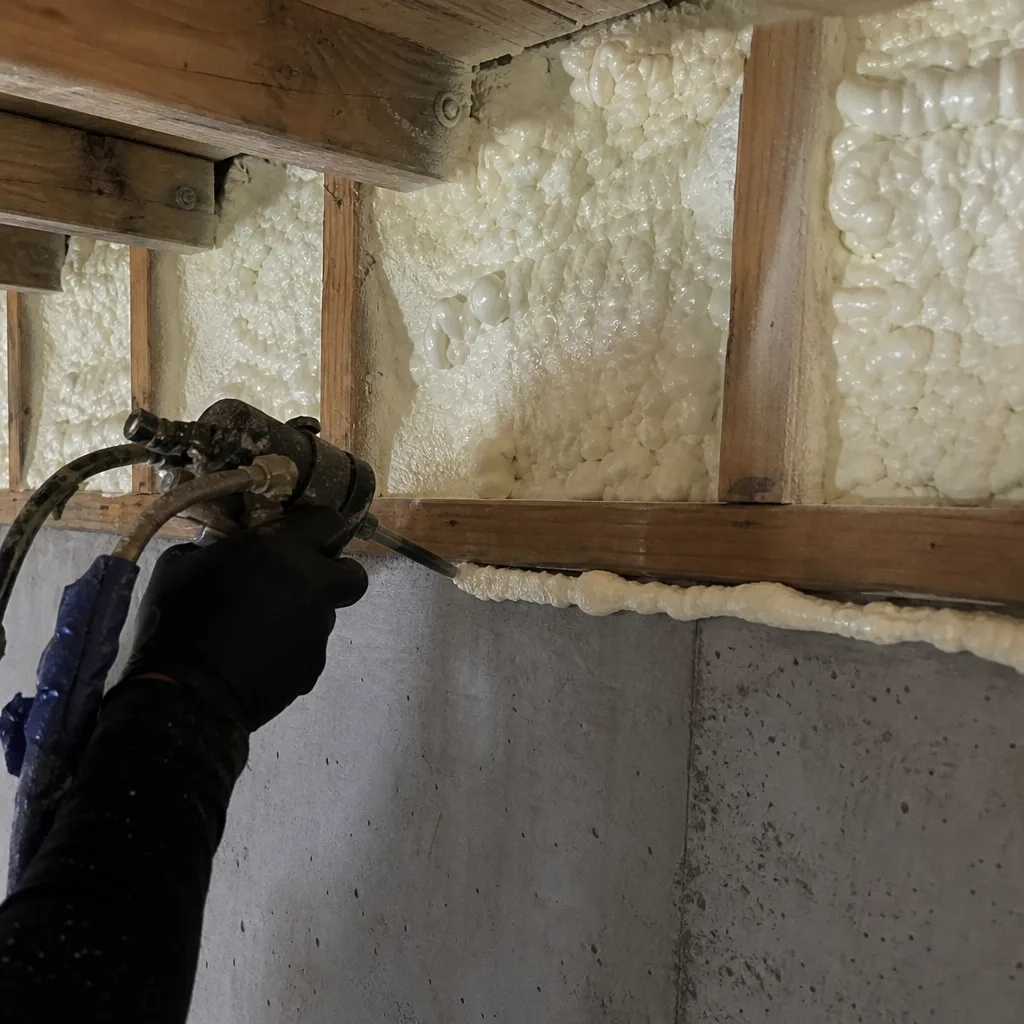
Villa Park’s custom 1960s builds frequently used 2×6 or shimmed framing in finished walls, not the uniform 2x4s an installer might assume. Our dense-pack wall insulation uses a 2.0-2.5 lbs per cubic foot target density, with drill patterns adjusted to actual stud spacing measured on-site. We see this most often in the finished bonus rooms over garages and in detached workshops where the original construction predated energy code. Under-filling because of assumed framing is a common local failure mode we correct on re-dos.
Blown-In Top-Up
Most Villa Park homes we assess have original fiberglass batts compressed to R-11 or R-19 equivalent in attics designed for R-38 or R-49 under current Title 24. A blown-in top-up brings the assembly to code-minimum or better without full removal, provided the existing material is dry and uncontaminated. We air-seal top plates, can lights, and penetrations first - always - then blow to the marked depth. The homeowner receives a Documented Photo Record of the sealed plane and the final depth gauges.
What happens when you call
- 1
A real person answersNo phone trees - you reach a local pro.
- 2
You get an upfront price rangeHonest numbers before anyone is dispatched.
- 3
A background-checked tech heads outLicensed & insured, dispatched right away.
- 4
You approve before work beginsNothing starts until you say go.
 Before
 After
AfterTrusted Brands We Service in Villa Park
We stock Rockwool, CertainTeed, and Icynene materials on our Villa Park crew trucks, with Demilec and Knauf available on 24-hour notice. No proprietary product lock-in - we specify what performs for your specific assembly, not what moves our inventory. For Villa Park’s extreme attic temperatures, we frequently pair blown-in insulation with radiant barrier installations using CertainTeed products; the combination addresses both conductive and radiant heat gain in a way that either material alone cannot. All materials carry manufacturer warranties, and our 365-Day Done Right Promise covers installation.
Common Blown-In Insulation Problems We See in Villa Park Homes
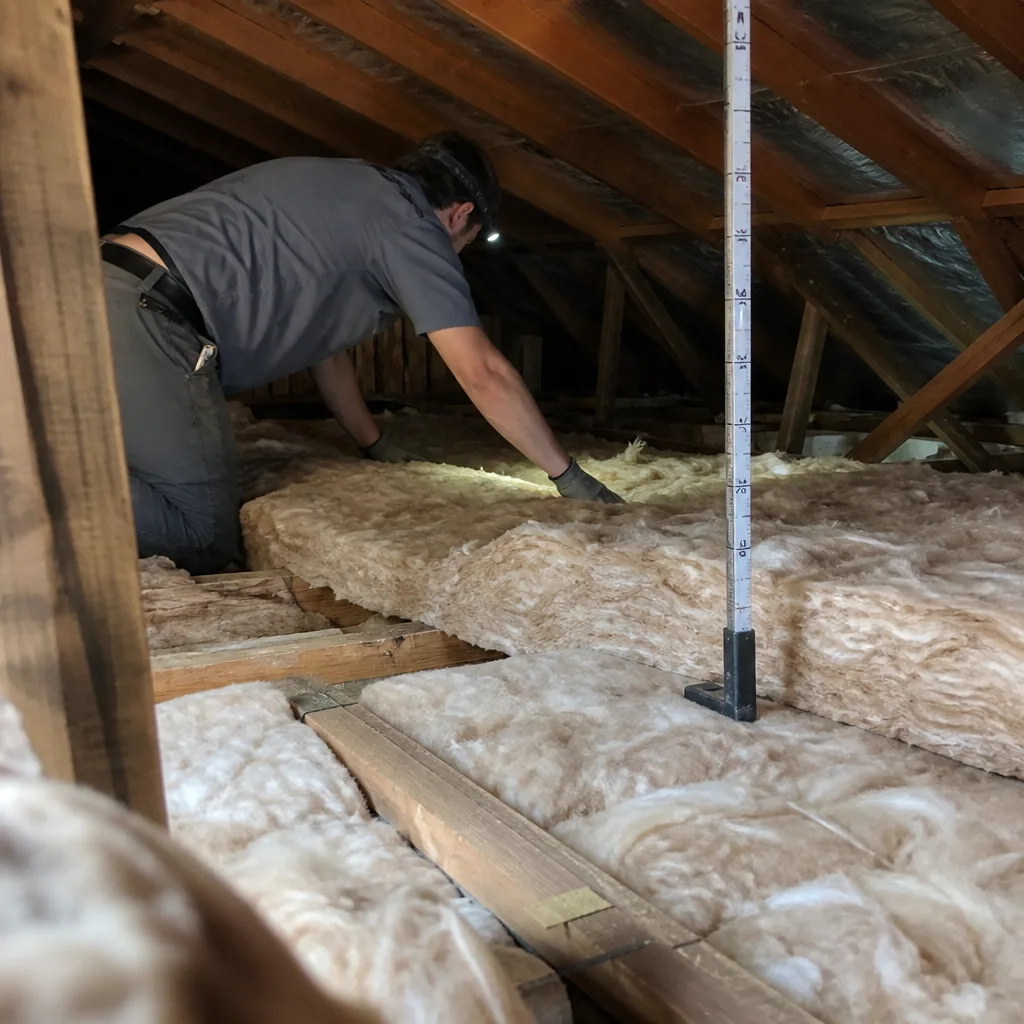
- Cellulose settled behind unvented west walls. Blown-in cellulose installed behind the detached workshop’s unvented west wall without a vapor retarder, where Santa Ana-driven 150°F attic temps and daily swing cause the material to settle and pull away from the top plate within 2-3 seasons. We see this on re-dos where the original installer didn’t account for Villa Park’s thermal load.
- New insulation bypassing old air leaks. Topping up blown-in fiberglass over the original 1960s batts without air-sealing the disconnected attic cavities above cathedral ceilings, so the new R-value is bypassed by the same thermal bridge that made the room “unusable in July” in the first place. The insulation is fine. The air sealing was skipped.
- Under-filled dense-pack walls. Under-filling dense-pack wall insulation in the finished bonus room over the garage because the installer assumed 2×4 framing, when Villa Park’s custom 1960s builds frequently used 2×6 or shimmed framing that needs a different drill pattern and density target. We measure before we drill.
- Radiant heat gain ignored. Specifying blown-in insulation alone for a tile or shake roof with no radiant barrier, in a climate where attic temperatures regularly exceed 150°F. The R-value helps. It doesn’t stop the roof from radiating downward. We publish blower-door numbers so you can see the difference sealing makes; we recommend radiant barrier where the roof type and orientation justify it.
Pricing for Blown-In Insulation in Villa Park, CA
A typical blown-in attic top-up in Villa Park runs $2.80-$3.80 per square foot, with most half-acre homes falling between $3,200 and $5,800. Complete attic retrofits with air sealing and full-depth cellulose or fiberglass range from $4.20-$4.50 per square foot, or $4,200-$8,900 depending on roof complexity and hose-run distance. Dense-pack wall insulation is priced per cavity, typically $18-$28 per stud bay in Villa Park’s custom-framed walls. Detached workshops and accessory buildings add $800-$2,400 depending on square footage and whether radiant barrier is included.
What moves the number: attic accessibility, distance from truck to access point, existing insulation condition, whether air sealing is required before blowing, and whether disconnected cavities need separate treatment. We provide a written price before any work starts - Haven Standard Clause 1 - and a Free Second Opinion on any written estimate from another contractor. Call (657) 286-7673 for your exact figure; estimates are free.
We Also Serve Cities Near Villa Park
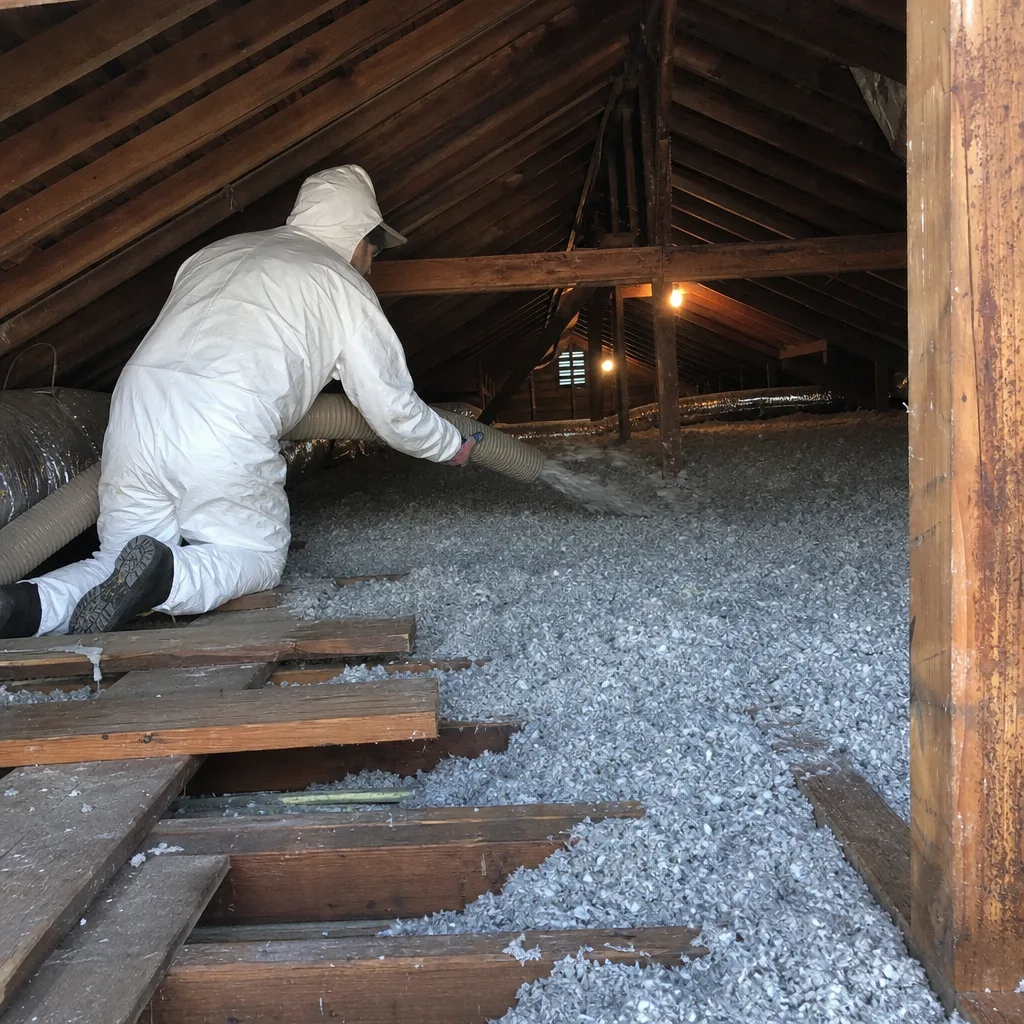
Our crews handle Blown-In Insulation in Villa Park and the surrounding corridor: Orange to the south, Santa Ana to the southwest, Tustin to the southeast, and Irvine to the southeast. Each city gets different logistics and different typical housing stock, but the same written-price-first protocol. If you’re on the border between cities, we schedule from whichever dispatch point gets us to you fastest.
Serving Villa Park, CA - Our Local Coverage Area
We’re based in the Villa Park area and know this community well. Use the map below to see our service coverage - if you’re nearby, we can almost certainly help.
FAQs - Blown-In Insulation in Villa Park
The hose run is the main factor. Villa Park’s half-acre-plus lots require 150-200 ft material runs versus 30 ft in tract cities, and equipment set-up on custom properties takes longer. A 2,000 sq ft attic in Anaheim might be a four-hour job; the same footage in Villa Park with a detached workshop and bonus room over the garage is typically a full day. We stage all materials on one truck and send a two-person crew to keep it to a single visit. Call (657) 286-7673 for a written time estimate with your price.
Usually not alone. The complaint - “unusable in July” - is a recurring pattern in Villa Park’s 1960s-era custom homes with second-story additions or finished rooms over garages, often built before strict energy codes. The root cause is typically a combination of missing insulation between the living area and the tile or shake roof, plus unsealed air bypasses at the top plate and kneewall. We air-seal first, then insulate, and we frequently recommend radiant barrier for tile roofs in Villa Park’s climate. The blower-door test before and after shows whether we got it. Call (657) 286-7673 for an assessment.
Cellulose for most full retrofits, fiberglass for top-ups over existing batts that aren’t moisture-damaged. Cellulose’s higher density and borate treatment handle Villa Park’s temperature swings better. Fiberglass doesn’t compress older batts and recovers full loft faster. We specify after inspecting what’s there. Both are stocked on our Villa Park trucks. Call (657) 286-7673 and we’ll tell you which applies to your attic.
Yes, and we prefer to. Staging multiple materials on one truck for a single-visit job is standard practice for Villa Park’s acreage properties. We typically sequence: house attic air sealing and blow, bonus room dense-pack or blow, then workshop walls and ceiling. The homeowner receives one written scope, one blower-door reading (where applicable), and one Documented Photo Record. Call (657) 286-7673 to schedule a single-visit scope.
We treat them as separate zones, each accessed and sealed individually. Villa Park’s complex rooflines often create multiple disconnected cavities above cathedral or vaulted ceilings, and blowing insulation into one without sealing the others leaves the thermal bridge intact. We use blower-door guided air sealing to locate and seal each cavity’s top plates and penetrations, then blow to marked depth with depth gauges photographed for the record. The before-and-after blower-door numbers show whether we got them all. Call (657) 286-7673 for a cavity-by-cavity assessment.
Ready for a written price? Call (657) 286-7673. A live person answers 24/7, and we’ll schedule a free estimate with a named technician who knows Villa Park’s lot sizes, rooflines, and the specific failure modes that matter here. Every job begins with a written price and ends with a Documented Photo Record. Under The Haven Standard since 2016.
Written by Wes Okafor, Owner at Topside Attic Insulation Tustin, serving Villa Park under The Haven Standard since 2016.