
Last updated September 24, 2026
Insulation Cost Breakdown: The Tustin Homeowner’s Reference for 2026
The lowest insulation bid in Tustin for a 1,400-square-foot attic in 2026 will likely be around $1,100. The highest will likely be around $2,800. Both quotes may say “R-38 blown-in fiberglass.” The gap is not markup - it’s scope. In the 9,000+ homes we’ve sealed and insulated since 2016, the single biggest source of homeowner regret is discovering, after the job, that air sealing, blower-door verification, and rebate documentation were excluded from the original bid. This guide breaks down what each line item costs, why it matters in Tustin’s specific climate, and how to read a quote so you know what you’re actually buying before anyone lifts a tool. For insulation warning signs every Tustin homeowner should watch for, see our companion reference.
Quick Answer
Most complete attic insulation jobs in Tustin in 2026 run between $1,800 and $3,400 for a typical 1,400-2,000 square foot home when air sealing, blower-door testing, and documentation are included. The same job quoted without air sealing and verification typically ranges $1,100-$2,200 but performs 30-40% worse and usually fails to qualify for SCE rebates. Material choice - blown fiberglass, blown cellulose, or open-cell spray foam - changes the price by 15-25%, but scope completeness changes the value by far more.
Table of Contents
- Why Tustin Insulation Bids Vary So Widely for the Same R-Value
- Line-Item Cost Structure: What Every 2026 Tustin Quote Should Show
- The Air-Sealing Math: Why Spending More Up Front Pays Back Faster
- Cost-Per-Effective-R: Comparing Blown Fiberglass, Cellulose, and Spray Foam in Tustin
- The Rebate Arithmetic: SCE and SoCalGas Incentives in 2026
- What the Post-Job Documentation Package Is Actually Worth
- Common Mistakes to Avoid
- When to Call a Professional
- Frequently Asked Questions
 Before
 After
AfterWhy Tustin Insulation Bids Vary So Widely for the Same R-Value
We’ve reviewed thousands of competitor quotes brought in for our Free Second Opinion service. The pattern is consistent: when two Tustin homeowners both receive bids for “R-38 blown-in fiberglass,” the price spread is rarely about the insulation itself. It’s about what’s wrapped around it.
Here is what we typically find missing from the lower bid:
- Air sealing of top plates and penetrations - the gap where interior walls meet the attic floor, plus plumbing and electrical holes. In Tustin’s 1960s-1980s tract housing stock, these leaks often total 80-150 square inches of open area per 1,000 square feet of attic.
- Can light and fixture sealing - recessed lights installed before 2016 rarely have IC-rated housings; insulation contact without air sealing creates a direct chimney to the attic.
- Attic hatch weatherization - a 1/8-inch gap around a standard pull-down stair leaks as much air as a 4-inch diameter hole.
- Blower-door testing - the pressurization reading that shows, in one number, how much conditioned air your building envelope is losing. Without it, there is no baseline and no verification.
- Depth verification and density documentation - required for SCE rebate submission and for proving to a future buyer that the job was done to spec.
- Photo record of completed work - our Documented Photo Record on every visit, included, not available on request.
A $1,100 bid in Tustin usually covers material and basic labor only. The crew blows fiberglass to depth, maybe installs baffles, and leaves. The homeowner gets an attic that tests thermally better but may still leak 3,000+ CFM50 - enough to replace the entire volume of conditioned air every 45 minutes on a breezy day.
The higher bid includes the envelope work that makes the insulation perform. In our experience across Tustin neighborhoods from Old Town to Tustin Ranch, homes that receive air sealing plus insulation plus verification show blower-door reductions of 35-55%. That translates to measurable load reduction on the HVAC system, which is what actually lowers the SCE bill.
Under Haven Standard Clause 1, every job we quote includes a flat price, written scope, and written warranty before anyone lifts a tool. We don’t offer a “materials only” tier because we’ve seen what happens when insulation goes in before the air leaks are sealed: the homeowner pays twice.
Line-Item Cost Structure: What Every 2026 Tustin Quote Should Show
Here’s how we break down a typical Tustin attic job for a 1,600-square-foot home with 1,200 square feet of attic floor. These are 2026 market ranges based on our current material costs and labor rates in Orange County:
| Line Item | Low-Quality Scope | Complete Scope |
|---|---|---|
| Material (blown fiberglass, R-38) | $280-$380 | $280-$380 |
| Material (blown cellulose, R-38) | $320-$420 | $320-$420 |
| Air sealing labor (top plates, penetrations, can lights, hatch) | Omitted or “as needed” | $480-$720 |
| Blower-door test (before and after) | Omitted | $180-$260 |
| Depth/density verification and documentation | Omitted | $120-$180 |
| Photo documentation | Omitted | Included in labor |
| Contingency (old insulation removal, rodent damage, etc.) | Omitted | $200-$600 |
| Total typical range | $1,100-$1,600 | $1,800-$3,400 |
The table above shows why the 2.5:1 spread exists. Both columns use the same insulation material. The right column simply includes the work that makes it function.
In Tustin specifically, we see two factors that push jobs toward the higher end of the complete scope:
- Age of housing stock - Homes built 1960-1990 in Tustin’s core neighborhoods (Old Town, Laurelwood, Peppertree Lane) typically have minimal original air sealing and often contain vermiculite or damaged insulation requiring removal before new material goes in.
- Attic configuration - Tustin Ranch and Columbus Grove homes from the 1990s-2000s often have complex rooflines with multiple dormers, creating dozens of additional top-plate junctions and kneewall intersections that must be sealed individually.
A complete quote should list each line item separately. If you receive a single number with no breakdown, you cannot compare it to another bid. Under Haven Standard, we provide a written scope with every price - no exceptions since 2016.
The Air-Sealing Math: Why Spending More Up Front Pays Back Faster
This is the calculation most Tustin homeowners never see. We’ll walk through it using actual local numbers.
Tustin’s climate load: The city sits in a transition zone between coastal and inland Orange County. Tustin sees approximately 1,400 cooling degree days annually and about 1,100 heating degree days. More importantly, summer afternoon temperatures regularly reach 85-92°F from June through October, while winter nights dip to 45-50°F. This means year-round conditioning load - not just summer AC.
SCE rate structure: Southern California Edison’s tiered residential rates in 2026 start around $0.28/kWh for baseline usage and escalate to $0.42-$0.52/kWh for Tier 3 and above. A typical Tustin home with poor envelope performance lands in Tier 3 or 4 for 6-8 months of the year.
The comparison:
Home A receives insulation only: R-38 blown fiberglass, no air sealing. Blower-door result: 3,800 CFM50. Annual conditioning estimate: 4,200 kWh for cooling, 2,800 kWh for heating.
Home B receives insulation plus air sealing: same R-38, plus sealed top plates, penetrations, can lights, and hatch. Blower-door result: 2,100 CFM50. Annual conditioning estimate: 2,900 kWh for cooling, 1,900 kWh for heating.
At SCE’s blended annual rate of approximately $0.34/kWh:
- Home A annual conditioning cost: $2,380
- Home B annual conditioning cost: $1,632
- Annual savings from air sealing: $748
The air-sealing labor added $520-$720 to the original bid. Simple payback: 10-11 months. Over 10 years, the additional investment returns $6,800-$7,500 in avoided electricity costs, assuming SCE rates rise at historical 3-4% annually.
This math is why we never blow insulation over an unsealed attic floor. The insulation performs its rated R-value only in a sealed cavity. In a leaky attic, wind washing - outdoor air moving through the insulation - degrades effective R-value by 20-40% depending on leak severity.
We’ve measured this directly. In a 1978 home on Newport Avenue in Tustin, the effective R-value of existing R-19 fiberglass measured at R-11 equivalent due to air movement. After air sealing and adding R-30 for a total nominal R-49, the effective R-value measured at R-44. The sealing mattered more than the additional insulation.
Cost-Per-Effective-R: Comparing Blown Fiberglass, Cellulose, and Spray Foam in Tustin
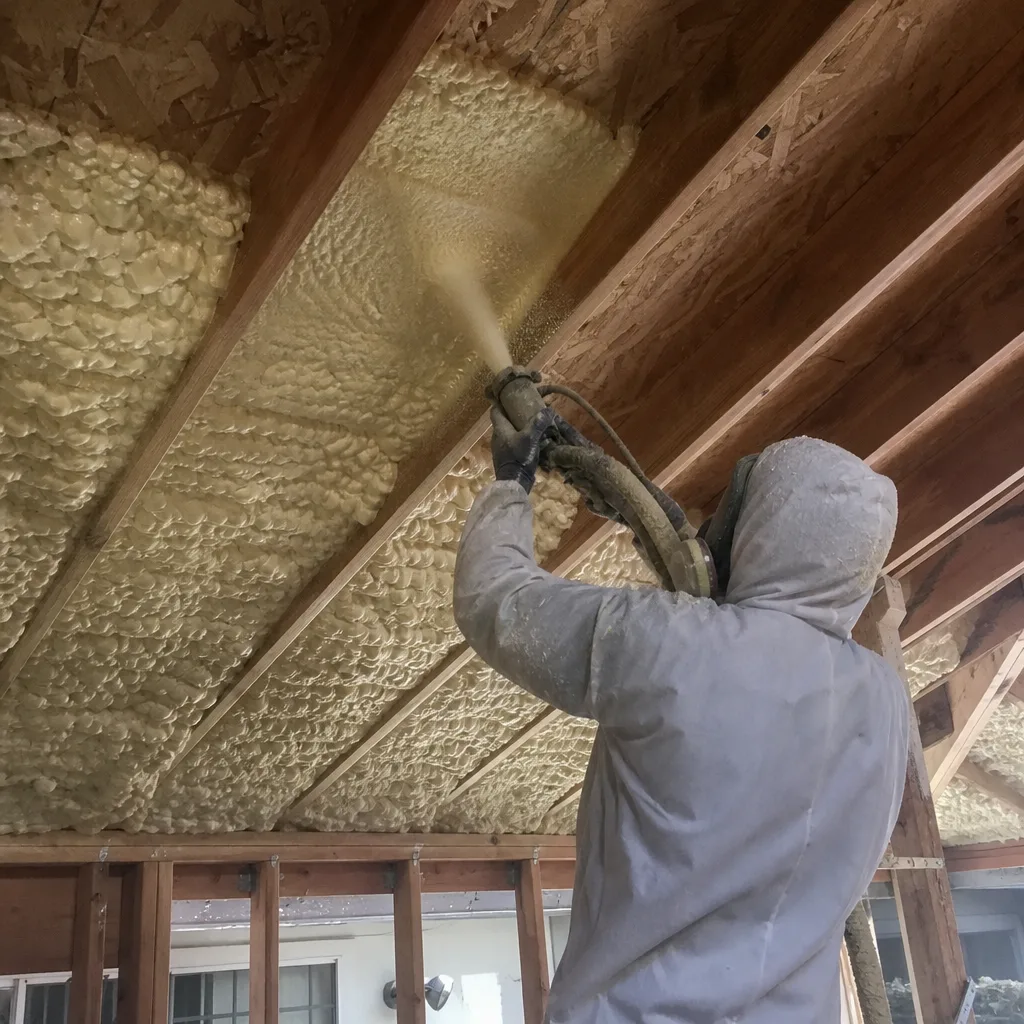
Most insulation guides compare cost per bag. That’s the wrong metric. What matters is cost per point of R-value per square foot, adjusted for how the material performs in real Tustin attics.
Here’s our 2026 comparison for a 1,200-square-foot attic floor, targeting R-38 nominal:
| Material | Installed Cost | Effective R (adjusted for gaps/settling) | Cost per Effective R per Sq Ft | Best For |
|---|---|---|---|---|
| Blown fiberglass (Owens Corning or CertainTeed) | $1,400-$1,800 | R-34-R-36 | $0.034-$0.044 | Standard attics with good access, budget-conscious jobs |
| Blown cellulose (GreenFiber) | $1,500-$1,950 | R-35-R-37 | $0.034-$0.046 | Fire-resistant needs, sound dampening, tighter packing |
| Open-cell spray foam (Icynene or Demilec) | $3,200-$4,800 | R-36-R-38 | $0.074-$0.111 | Complex rooflines, conditioned attics, maximum air barrier |
The spray foam number surprises some homeowners. Here’s the context: open-cell spray foam at 3.5 inches provides R-13-R-14, so achieving R-38 requires 9-10 inches and significant material volume. In Tustin, we typically recommend open-cell spray foam for specific applications, not standard vented attics:
- Cathedral ceilings or conditioned attic assemblies where ventilation is impossible
- Kneewall spaces in Tustin Ranch second-floor bonus rooms, where conventional insulation leaves thermal bypasses
- Homes with HVAC ductwork in the attic, where spray foam’s air-sealing properties reduce duct leakage to near zero
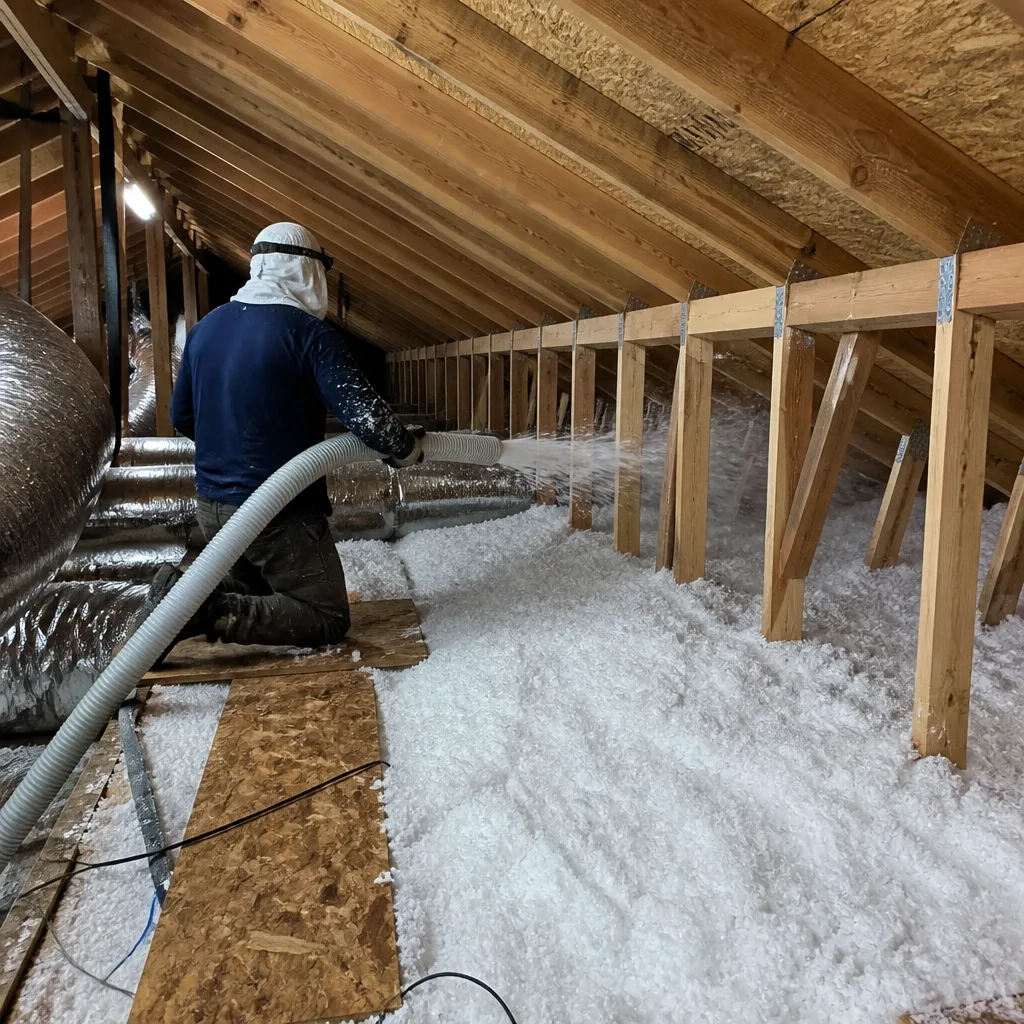
For standard vented attics in Tustin, blown fiberglass or cellulose plus meticulous air sealing delivers 90% of the performance at 45-55% of the spray foam cost. The key is the sealing, not the material.
We source materials from Owens Corning, Johns Manville, Knauf, Rockwool, CertainTeed, Icynene, Demilec, and GreenFiber. We don’t lock homeowners into proprietary products. The right material depends on the specific attic, and we specify it in the written scope before work starts.
One Tustin-specific consideration: cellulose’s boric acid treatment provides additional fire resistance that matters in older neighborhoods with original knob-and-tube wiring still present in attics. We’ve encountered active knob-and-tube in roughly 15% of pre-1975 Tustin homes we’ve inspected. In these cases, we coordinate with a licensed electrician before insulation goes in - another line item that belongs in a complete quote.
The Rebate Arithmetic: SCE and SoCalGas Incentives in 2026
Utility rebates can offset 15-30% of a complete insulation job in Tustin, but the qualifying conditions are specific and the documentation requirements are strict. For a deeper look at code compliance, see our guide to insulation permits, codes & inspections in CA. Here’s what actually works in 2026.
SCE Energy Upgrade California:
SCE offers insulation rebates through the Energy Upgrade California Home Upgrade program. The 2026 incentive structure for Orange County:
- $0.15-$0.25 per square foot of attic insulation installed, depending on baseline condition and final R-value
- Minimum improvement: R-11 or less to R-38 or greater, or R-19 to R-49 or greater
- Requires pre-installation and post-installation inspection by a participating contractor
- Requires blower-door test showing minimum 10% air leakage reduction OR documentation of air sealing work performed
For a 1,200-square-foot attic in Tustin upgrading from R-11 to R-38, this yields $180-$300 in SCE rebates.
SoCalGas insulation rebates:
SoCalGas offers a separate attic insulation rebate for gas-heated homes:
- $0.30 per square foot for attic insulation upgrades
- Requires pre- and post-installation photos showing insulation depth
- Requires receipt and product specification sheet
- Home must have natural gas heating (common in Tustin Ranch and newer construction, less common in older core neighborhoods with electric heat pumps)
For the same 1,200-square-foot attic, SoCalGas contributes $360.
Stacking and qualifying:
SCE and SoCalGas rebates can stack for gas-heated homes, yielding $540-$660 total. Critical point: both utilities require documentation that a low-bid, materials-only job typically does not produce.
Specifically, SCE requires:
- Pre-installation blower-door test with CFM50 reading
- Post-installation blower-door test showing improvement
- Air sealing checklist completed and signed
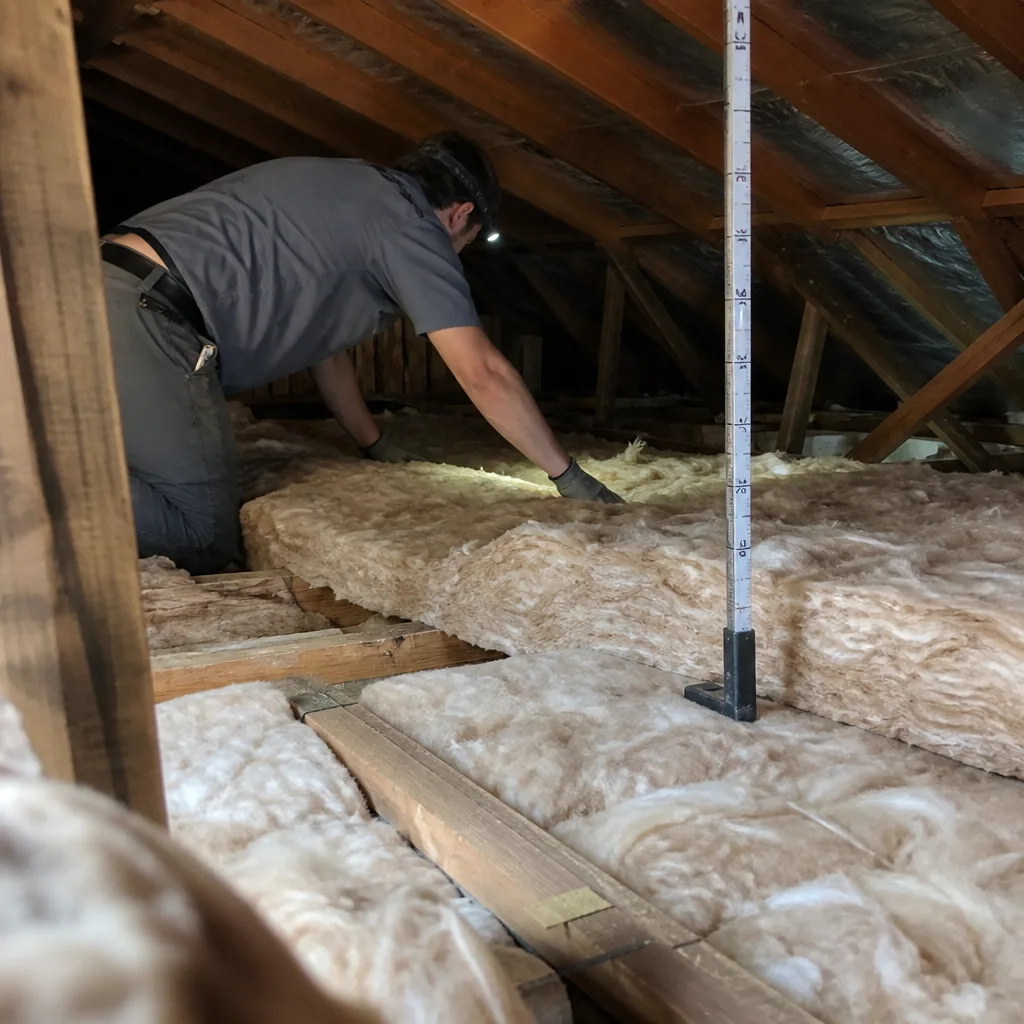
- Depth verification photos with ruler visible
- Contractor invoice showing line-item material and labor
The homeowner submits the application, but the contractor must provide the technical documentation. If your contractor doesn’t own a blower door, you cannot qualify for the SCE rebate that requires air leakage reduction proof.
Under Haven Standard, we provide the complete documentation package on every applicable job: before-and-after blower-door numbers, depth verification photos, air sealing checklist, and product specification sheets. The homeowner submits; we supply. This is included, not an add-on.
One Tustin-specific note: homes in the Tustin Legacy area and other newer developments (post-2005) often already have R-30 insulation. These homes don’t qualify for SCE’s minimum improvement threshold unless they’re upgrading to R-49 or adding wall insulation. We verify existing conditions during our initial inspection so homeowners don’t pursue rebates they cannot obtain.
What the Post-Job Documentation Package Is Actually Worth
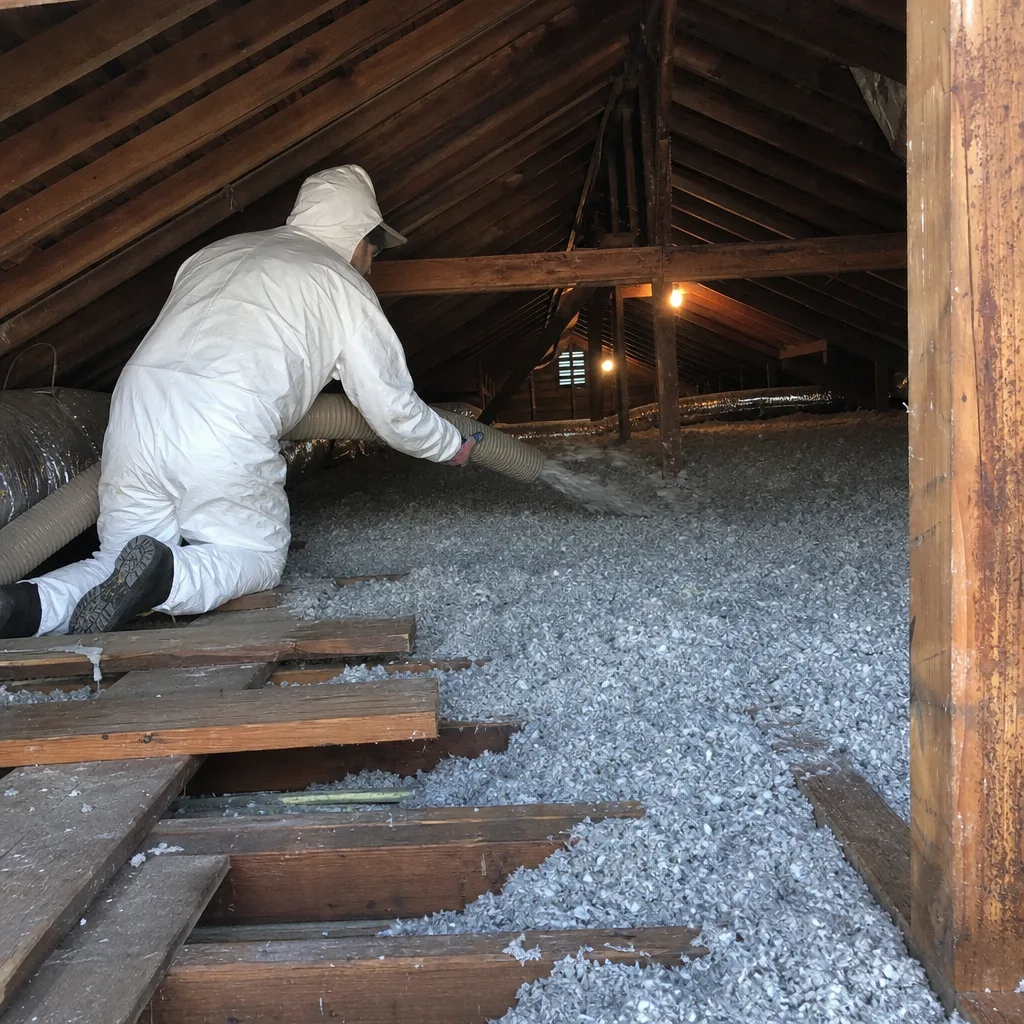
Most Tustin homeowners don’t think about documentation until they need it. Here are the four situations where the package we deliver - blower-door report, Title 24 certificate, photo record, and written warranty - has direct monetary value.
1. SCE rebate submission (immediate: $180-$660)
As detailed above, the blower-door report and air sealing checklist are required. Without them, the rebate is unavailable.
2. Property tax reassessment exclusion (ongoing: $200-$800/year)
California’s Proposition 13 base-year value system means improvements that increase home value can trigger reassessment. However, energy efficiency improvements are excluded from reassessment if documented. A Title 24 certificate and contractor invoice showing insulation upgrade can be submitted to the Orange County Assessor to prevent a base-year adjustment. On a Tustin home valued at $900,000-$1.2 million, avoiding a 1% reassessment increase saves $200-$800 annually in property taxes.
3. Real estate transaction disclosure (transactional: $1,000-$5,000 in sale price defensibility)
California requires disclosure of insulation presence and condition on the Transfer Disclosure Statement. A documented R-value with photo evidence and professional installation record allows the seller to state “R-38 blown fiberglass, professionally installed 2024, with blower-door verification” rather than “insulation present, condition unknown.” In Tustin’s competitive market, buyers’ inspectors flag inadequate or undocumented insulation. Defensible documentation prevents price renegotiation.
4. Warranty enforcement and future service (risk mitigation)
Our 365-Day Done Right Promise - if it’s not done right, we make it right - requires the written scope and photo record to determine what “right” was defined as. Homeowners who receive only a verbal description and a receipt have no enforceable standard.
The documentation package costs us approximately $80-$120 in labor and equipment per job to produce. We include it because the alternative - a homeowner with no proof of what was done - contradicts Haven Standard. Have it in writing.
Common Mistakes to Avoid
- Comparing single-number bids without scope detail. A $1,400 bid and a $2,600 bid for “R-38 insulation” are not comparable products. Request line-item breakdowns. If a contractor won’t provide one, that is information.
- Ignoring air sealing because “the insulation will stop the leaks.” It won’t. Fiberglass and cellulose are air-permeable. They filter air; they don’t stop it. In Tustin’s Santa Ana wind conditions, unsealed attics experience significant pressure-driven leakage year-round.
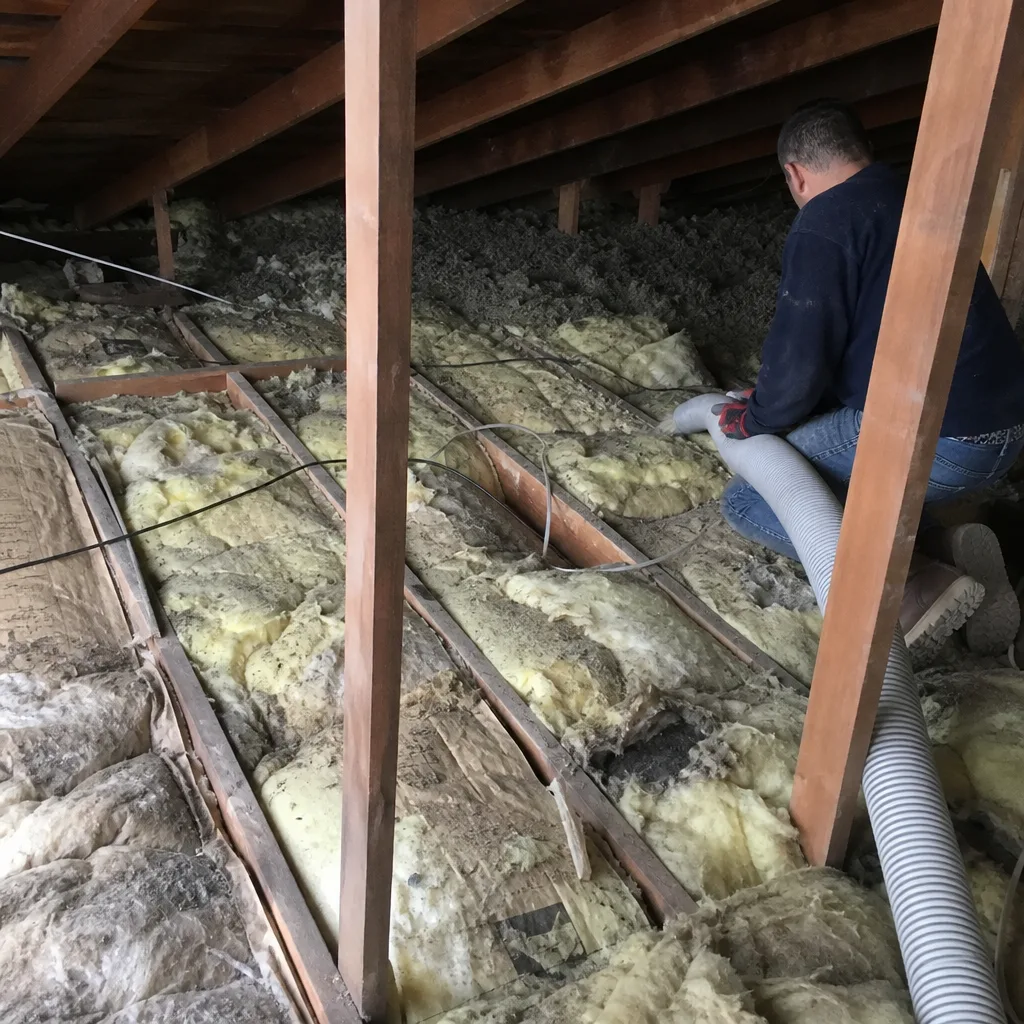
- Installing insulation over old, damaged material without inspection. We’ve removed insulation in Tustin attics that contained rodent droppings, moisture damage from roof leaks, and vermiculite with asbestos content. Covering it doesn’t fix it; it conceals it.
- Assuming all contractors carry blower-door equipment. Many don’t. Ask specifically: “Will you perform a blower-door test before and after?” If the answer is no, you cannot verify air leakage reduction or qualify for SCE rebates requiring that proof.
- Neglecting the attic hatch. A 1/2-inch gap around a standard 22×30 inch hatch leaks as much air as a 6-inch diameter hole. Yet it’s the most commonly omitted item in budget bids. We seal and insulate every hatch as standard; it takes 45 minutes and $15 in materials.
- Expecting spray foam to solve everything. In standard vented Tustin attics, spray foam’s premium is rarely justified by performance gain over properly air-sealed blown insulation. We recommend it for specific building science reasons, not as a default upgrade.
- Waiting for “the right time” in Tustin’s mild climate. Because Tustin’s temperature swing is moderate compared to inland Empire or desert markets, homeowners underestimate year-round conditioning load. The savings accumulate monthly, not seasonally. Delaying installation by two years costs more than the interest on financing the job today at current SCE rates.
When to Call a Professional
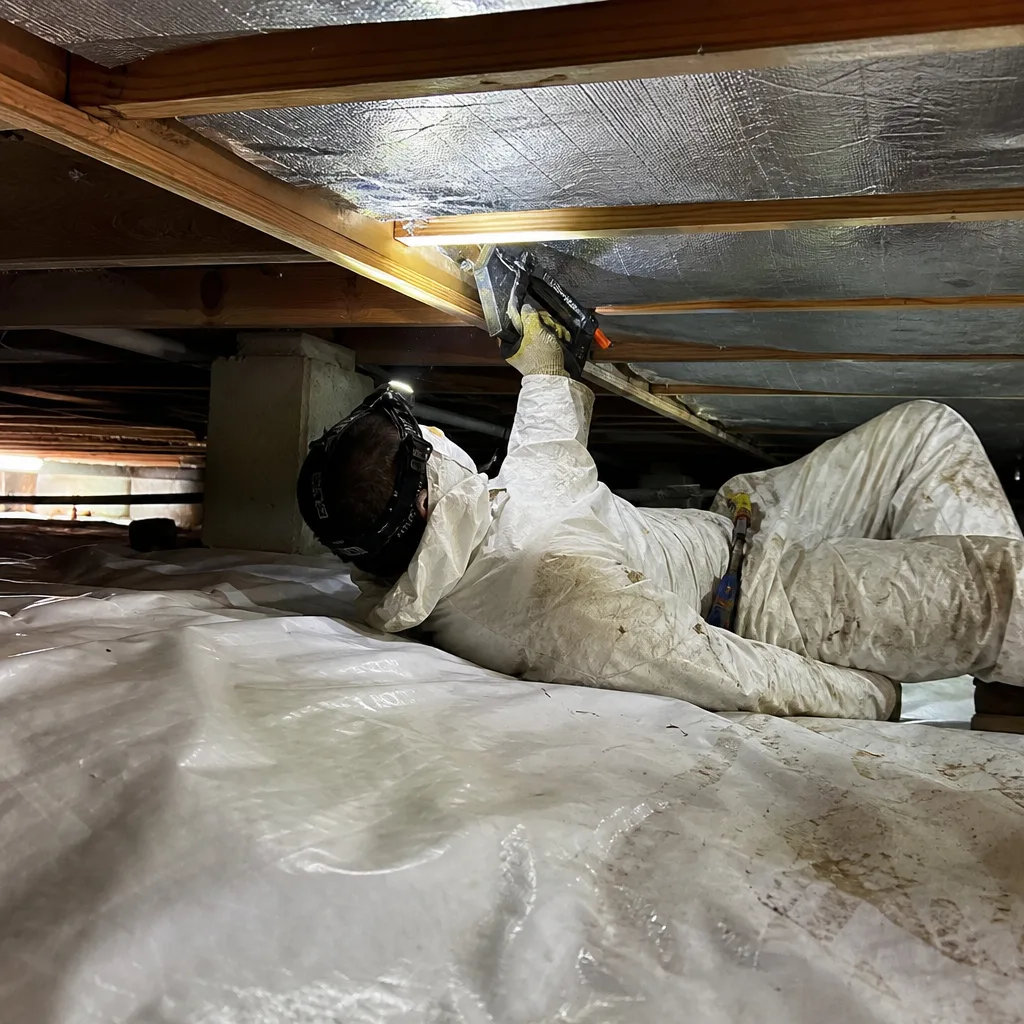
Call for an inspection before you commit to any insulation work if: your home was built before 1990 and has never had air sealing; you’ve noticed uneven temperatures between rooms, especially on the second floor; your SCE bills spike during summer months despite moderate thermostat settings; you’ve had rodents, roof leaks, or any moisture in the attic; or you’re planning to sell within three years and need documented improvements for disclosure.
Topside Attic Insulation Tustin offers free estimates in Tustin - call (657) 286-7673. Every estimate includes a written scope and flat price before any work starts, under Haven Standard Clause 1. We also provide a Free Second Opinion on any written estimate from another contractor; bring us their quote and we’ll read it with you, line by line.
Frequently Asked Questions
Most complete attic insulation jobs in Tustin run $1,800-$3,400 for a typical 1,400-2,000 square foot home when air sealing, blower-door testing, and documentation are included. The same job without air sealing and verification typically ranges $1,100-$2,200 but performs significantly worse and usually fails to qualify for utility rebates. Call (657) 286-7673 for a written estimate - estimates are free and include a flat price before any work starts.
Repair is rarely cost-effective in Tustin’s climate. Patched insulation creates thermal bridges and density inconsistencies that reduce effective R-value by 15-25%. If existing insulation is damaged by moisture, rodents, or compression, removal and replacement with new material plus air sealing delivers better performance and qualifies for rebates that patch jobs do not. Call (657) 286-7673 and we’ll assess what’s actually in your attic.
No - and any contractor who offers same-day installation without inspection is cutting scope. We perform a full attic inspection, including blower-door baseline testing where applicable, before providing a written price. This typically takes 60-90 minutes. Scheduling installation without understanding air leakage, existing conditions, and rebate eligibility risks a job that doesn’t perform. Our live person answers calls 24/7 at (657) 286-7673 to schedule inspection appointments.
Properly installed fiberglass or cellulose insulation in a sealed, dry Tustin attic maintains rated R-value for 80-100 years. The failure mode is almost never material degradation - it’s air leakage causing wind washing, moisture intrusion from roof leaks, or rodent damage. This is why we emphasize air sealing and provide a Documented Photo Record: the insulation lasts, but only if the envelope protects it. Our 365-Day Done Right Promise covers installation quality; material longevity is inherent.
Yes, measurably, but only if air sealing is included. Insulation-only jobs in Tustin typically reduce cooling load by 10-15%. Insulation plus air sealing reduces cooling load by 25-35% and heating load by similar margins. At SCE’s 2026 tiered rates, this translates to $600-$1,200 annual savings for a typical Tustin home. The blower-door report we provide shows the exact air leakage reduction, so you can verify the improvement rather than trusting a promise.
Attic insulation replacement in Tustin does not require a building permit if you’re installing like-for-like material in the same location. However, if you’re changing insulation type (e.g., from batt to spray foam), modifying attic ventilation, or altering structural elements, a permit may be required through the City of Tustin Building Division. We identify permit requirements during our inspection and include any permit costs in our written price if applicable. Under Haven Standard, you know the total cost before work starts.
R-value is the laboratory-measured thermal resistance of insulation material. Effective R-value is what the insulation actually delivers in your specific attic, accounting for air leakage, compression, moisture, and thermal bridging. A material rated R-38 may perform at R-26-R-30 in a leaky attic with wind washing. This is why we publish before-and-after blower-door numbers - the pressurization reading correlates directly with effective R-value preservation. Air sealing is what closes the gap between rated and effective performance.
The Bottom Line
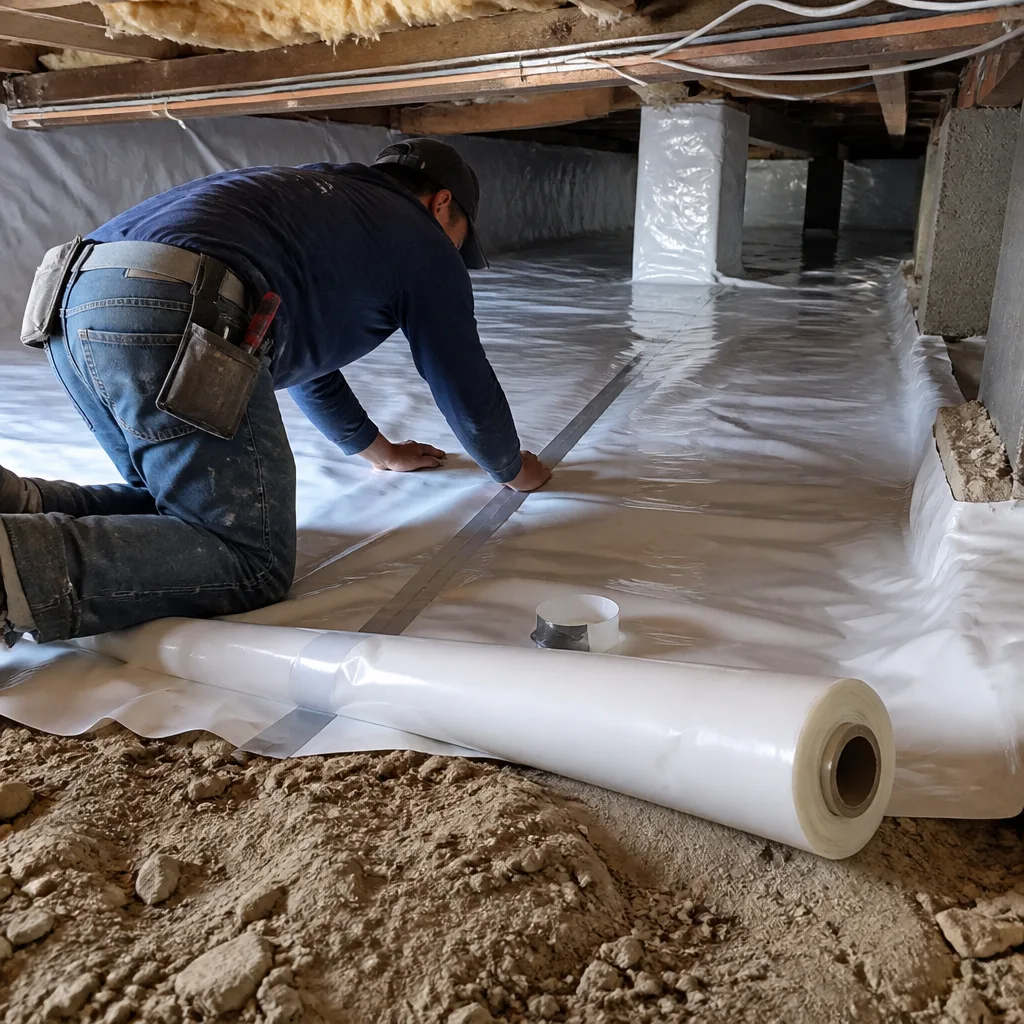
Insulation cost in Tustin is not primarily about material - it’s about scope completeness. The 2.5:1 spread between low and high bids for “R-38 blown-in fiberglass” reflects whether air sealing, blower-door verification, and documentation are included or excluded. Air sealing adds 20-35% to the base bid but typically reduces payback period by 30-40% through measurable load reduction. Utility rebates of $180-$660 require documentation that only complete-scope contractors provide. And the post-job documentation package - blower-door report, Title 24 certificate, photo record, written warranty - carries direct monetary value in rebates, tax exclusion, and real estate transactions. The homeowner who understands these line items before soliciting bids will spend appropriately, verify results, and capture value that the low-bid shopper forfeits.
Written by Wes Okafor, Owner at Topside Attic Insulation Tustin, serving Tustin since 2016.